
24/7 Customer Support

Free returns

Same-day & Next-day Delivery

Quality Guaranteed

Unlock Your Welcome Offers: FREE Delivery | Up to 80% OFF | Free 30-day JoyPlus trial
Download the APP
Collagen powder is widely used by UK shoppers looking for a convenient way to add collagen peptides to drinks, smoothies or meals. However, a higher number on the front of the pouch does not automatically make a product more suitable for you. Source, serving size, added ingredients and dietary compatibility can all affect your choice.
Before buying, watch for three common pitfalls:
Marine collagen powder is generally fish-derived and commonly associated with Type I collagen peptides. Bovine collagen products may contain Type I and Type III collagen peptides, depending on the formula. The source does not determine whether a product is suitable for you, but it is an important filter.
If you have a fish allergy, avoid products containing fish or cod collagen. Marine collagen is also unsuitable for vegans and vegetarians. Bovine products are not suitable for people avoiding animal-derived ingredients, and some flavoured formulas may contain milk even when they are marketed as low-sugar.
Look for hydrolysed collagen, also called collagen peptides. Hydrolysis breaks collagen down into smaller peptides, making the powder easier to dissolve in hot or cold drinks.
Compare products by the stated collagen amount per serving rather than pack size alone. The products in this guide range from 2.5g of specific collagen peptides per serving to 20g of collagen peptides, so they suit different routines and budgets. A larger daily portion is not automatically necessary; follow the product label and avoid combining multiple high-dose collagen supplements without professional advice.
An unflavoured collagen powder is practical if you already drink coffee, tea, juice or smoothies and do not want to change the taste. Flavoured powders can make daily use easier, but check for sweeteners, acidity regulators and flavourings.
For people following a low-carbohydrate or keto plan, check carbohydrate and sugar values rather than relying on front-of-pack wording. A collagen powder with vitamin C may be useful if you prefer a combined formula. Vitamin C contributes to normal collagen formation, but it does not turn a supplement into a treatment.
Also consider convenience. Collagen sachets are easier to carry to work, the gym or on holiday, while larger tubs and pouches may offer more servings for regular home use.
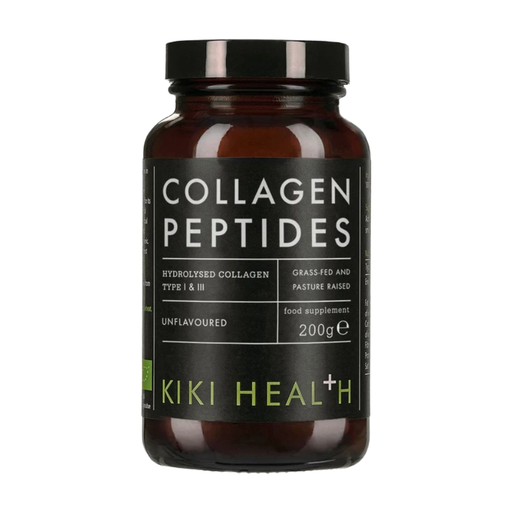
Why This Fits Their Persona: A straightforward entry point for adults who want an unflavoured powder and a clearly stated 9g daily collagen portion.
The product description identifies collagen peptides separately and does not rely on a large serving-size headline alone.
9,000mg collagen per stated daily portion; dissolves in hot or cold drinks; free from artificial additives and preservatives.
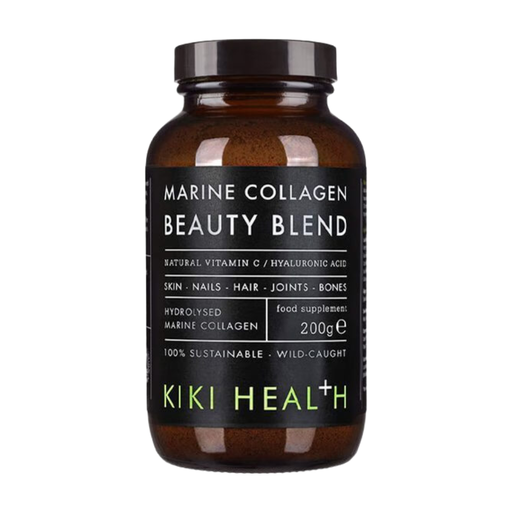
Why This Fits Their Persona: Suitable for shoppers seeking marine collagen, an unflavoured format and an added vitamin C ingredient in one daily powder.
The ingredient list clearly identifies hydrolysed marine collagen from fish and vitamin C, making allergy and formula checks simpler.
5,000mg hydrolysed marine collagen and 50mg vitamin C per 5g serving; unflavoured and free from gluten, dairy and artificial sweeteners.
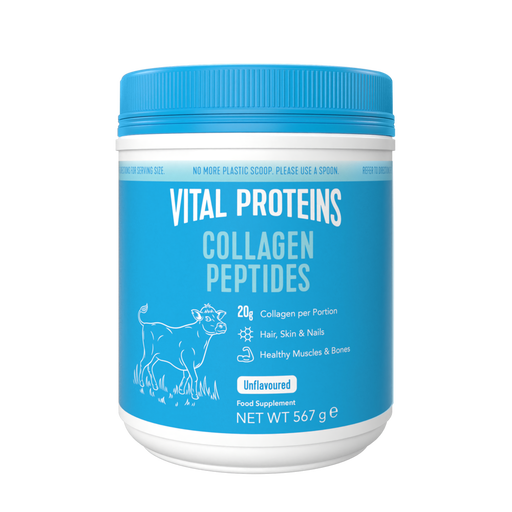
Why This Fits Their Persona: A larger tub suits regular users who want to add collagen peptides to hot or cold drinks at home.
The pack provides 20g of bovine collagen peptides per stated serving, so the collagen quantity is not hidden behind a multi-ingredient blend.
20,000mg collagen per serving; unflavoured, additive-free formula; 567g pack for frequent use.
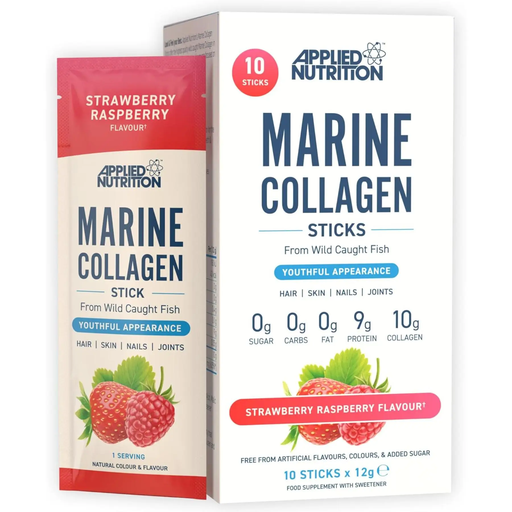
Why This Fits Their Persona: Individual sachets work well for office bags, gym kits and travel when carrying a large tub is inconvenient.
The ten single-serve sachets make the portion visible and reduce the need to measure powder away from home.
10,000mg marine collagen per sachet; strawberry and raspberry flavour; vitamin C included; mixes with hot or cold liquids.
We have compiled a complete, real-time list of products that fully satisfy these strict selection criteria and UK safety regulations.
Mix the stated serving into the liquid recommended on the label. Room-temperature or warm drinks may be easier to blend than very cold water. Unflavoured collagen peptides can be added to coffee, porridge, yoghurt or smoothies, while flavoured products are more suitable for water-based drinks.
Store the opened container or pouch in a cool, dry place and close it firmly after use. Moisture can cause clumping. Check the best-before date, batch details and current packaging before consumption, particularly if you have allergies or follow a restricted diet.
Some products are suitable, but formulas differ. Check the nutrition panel for carbohydrate and sugar levels. Applied Nutrition Collagen Keto Beauty Support Formula Powder lists zero carbohydrate per stated serving and includes MCT powder, while flavoured products may contain maltodextrin or other ingredients.
Neither source is universally suitable for every shopper. Marine collagen may appeal to people avoiding bovine ingredients, but it contains fish and is unsuitable for those with fish allergies. Bovine collagen can offer Type I and Type III peptides, depending on the formula. Choose by source, ingredients, serving size and dietary requirements.
Divide the net weight by the recommended daily serving to estimate usage. For example, a 200g pack used at 10g per day provides approximately 20 servings, while a 567g pack at 20g per serving provides approximately 28 servings. Always use the dosage printed on the current product label.