
24/7 Customer Support

Free returns

Same-day & Next-day Delivery

Quality Guaranteed

Unlock Your Welcome Offers: FREE Delivery | Up to 80% OFF | Free 30-day JoyPlus trial
Download the APP
Collagen supplements are available as marine collagen, bovine collagen, collagen powder, capsules, gummies and liquid collagen. Collagen skincare adds another route, with products such as a bio-collagen face mask, collagen serum or collagen toner.
The choice can feel straightforward until you compare serving sizes, collagen sources, sweeteners and usage instructions. Marketing language can also make products seem interchangeable when their formats and nutritional profiles are quite different. This guide explains the practical details to check before buying, followed by our top recommendations for different routines.
A large tub does not automatically provide more collagen per daily serving. Check the recommended serving size, the number of servings per pack and the actual collagen amount per serving. For example, a 360g powder taken at 12g daily provides approximately one month of use, while a 450g pack taken at around 7.5g daily provides a different serving count.
Marine and bovine collagen come from different sources. Marine collagen is derived from fish and may suit shoppers avoiding beef, but it is not suitable for people with fish allergies. Bovine collagen is derived from cattle and may contain Type I and Type III peptides, depending on the product.
Capsules and gummies can be convenient, but they often contain less collagen per daily serving than a powder or liquid sachet. Convenience, flavour and dose should be considered together rather than separately.
Collagen supplements are food supplements, not medicines. Phrases such as “anti-ageing”, “repairs connective tissue” or “reverses wrinkles” should not be treated as guaranteed results. Vitamin C does have an authorised UK nutrition function: it contributes to normal collagen formation and normal connective tissue function. However, that does not mean a product will produce a particular cosmetic or therapeutic outcome.
For skincare, collagen-containing products mainly work as topical cosmetic preparations. A toner or serum can help skin feel hydrated and look temporarily plumper, but it should not be confused with an ingestible collagen supplement.
Look for clear wording such as hydrolysed collagen peptides and identify whether the source is fish or bovine. Hydrolysis breaks collagen into peptides used in powders, drinks and capsules, but it does not make a fish-derived product suitable for someone with a fish allergy.
Always read the current packaging. UK product formulations, allergen statements and directions can change. Marine products in this range include fish allergen warnings, while some bovine formulas contain milk through flavouring or other ingredients.
A useful comparison starts with milligrams or grams of collagen per recommended daily serving:
Do not increase the stated intake simply to match another product. Follow the product label and avoid combining several high-dose collagen products without appropriate advice.
Choose a format you will use consistently. Powder works well in water, coffee, smoothies or breakfast foods. Liquid collagen can be taken directly, which is useful for commuting or travelling. Capsules avoid flavour but require swallowing several units. Gummies are chewable, though they may contain sugars or glucose syrup.
Also check for added vitamin C, sweeteners, flavourings and dietary suitability. “Sugar-free” is different from “free from sweeteners”, and “dairy-free” does not mean a product is free from all allergens.
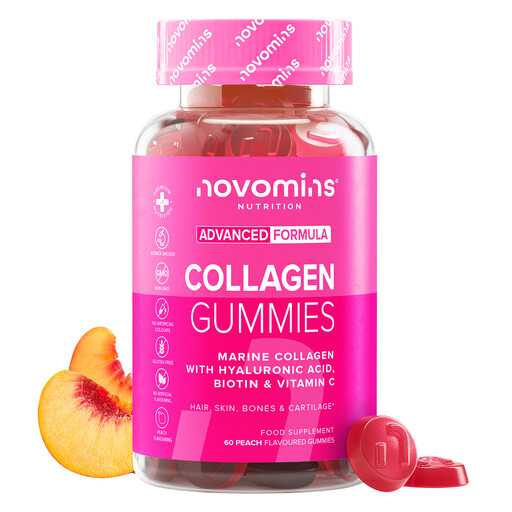
Why This Fits Their Persona: Two peach-flavoured gummies daily offer a simple starting point for adults who do not want to mix powder or swallow capsules.
The label states the daily portion clearly: two gummies provide 500mg marine collagen, 20mg hyaluronic acid, vitamin C and biotin. This makes the lower collagen dose visible before purchase.
Chewable format; gelatine-free, dairy-free and gluten-free according to the supplied product information.
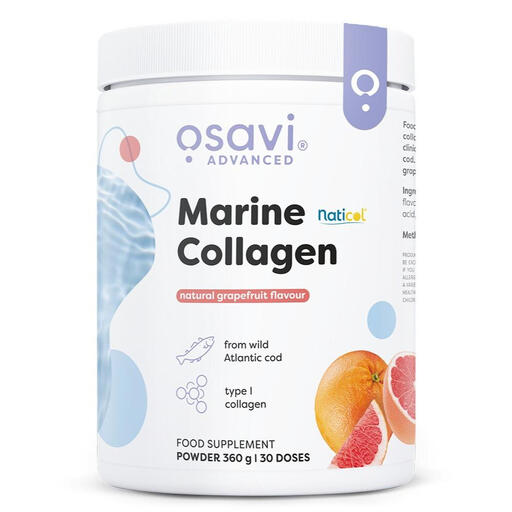
Why This Fits Their Persona: A measured daily scoop suits shoppers who want a month-sized marine collagen powder with a defined routine and grapefruit flavour.
The pack states a 12g daily dose and identifies fish collagen peptides, vitamin C and stevia, so source, serving and sweetener are easier to assess.
Wild Atlantic cod source; gluten-free, lactose-free and soy-free according to the product information.
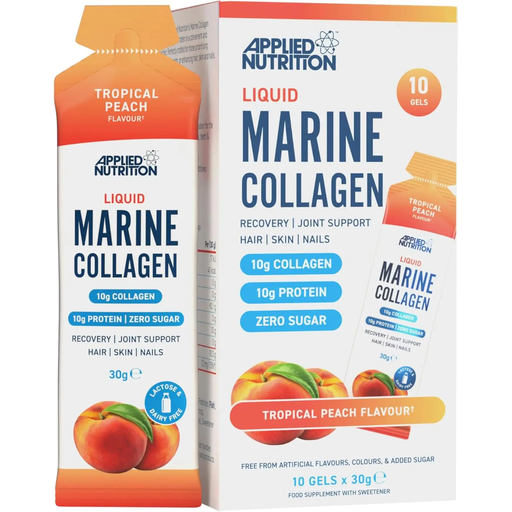
Why This Fits Their Persona: Direct-use liquid sachets work for commuters, gym users and travellers who want no shaker, glass or mixing step.
Each sachet contains 10g marine collagen, while the label states the daily limit and confirms that dilution is not required.
Portable liquid format; peach flavour and added vitamin C, with no added sugar stated in the product details.
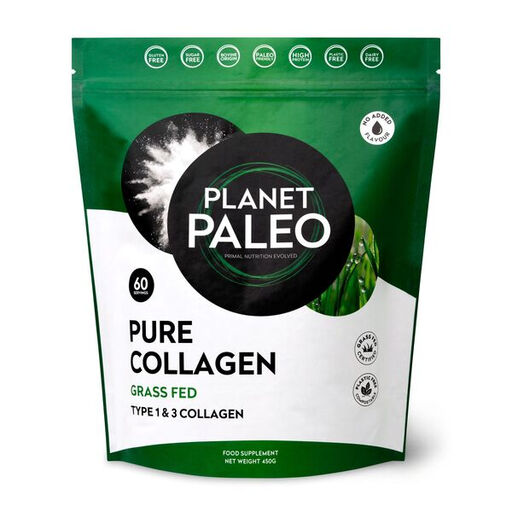
Why This Fits Their Persona: The large unflavoured tub is practical for adults adding bovine collagen to coffee, porridge, smoothies or post-exercise drinks.
The product specifies approximately 7.5g per scoop, Type I and Type III collagen, and a 450g net weight, allowing serving calculations before checkout.
100% collagen peptides; no added sugar, gluten-free and dairy-free according to the supplied description.
We have compiled a complete, real-time list of products that fully satisfy these strict selection criteria and UK safety regulations.
Choose supplements if you prefer an ingestible routine involving collagen peptides, vitamin C or other listed nutrients. Choose collagen skincare if your priority is topical hydration and a smoother-feeling complexion. A collagen toner can be applied after cleansing, while a collagen serum is generally used before moisturiser. A bio-collagen face mask may offer an intensive, temporary moisturising step.
Do not ingest skincare products, and patch-test new topical formulas when appropriate. Products containing fragrance, acids or multiple active ingredients may not suit every complexion.
Follow the best-before date and storage instructions on the packaging. Powders should generally be sealed and kept cool and dry, while liquid sachets should remain unopened until use. Moisture can cause powder to clump, so close tubs securely after each serving.
Capsules can be easier to carry, but compare the total collagen per recommended daily serving. A capsule product may require several capsules to provide an amount that a single scoop of collagen powder delivers. Convenience and consistency are important, but the dose should remain clear.
Check the full ingredient list to avoid unnecessarily duplicating nutrients such as vitamin C, biotin or selenium. If you are pregnant, breastfeeding, taking medication, managing a medical condition or have a food allergy, seek advice from a qualified healthcare professional before use.