
24/7 Customer Support

Free returns

Same-day & Next-day Delivery

Quality Guaranteed

Unlock Your Welcome Offers: FREE Delivery | Up to 80% OFF | Free 30-day JoyPlus trial
Download the APP
As a rider in the UK, choosing a new motorcycle helmet involves more than just picking a style you like. With the ECE 22.06 safety standard now in full effect for all new helmets sold, ensuring your gear is compliant is the first step. But beyond compliance, you need a helmet that fits your riding style, offers practical features for British weather and provides comfort on everything from a short commute to a long weekend tour.
This guide is designed to help you understand the key features to look for in a modern ECE 22.06 motorcycle helmet. We will explore different helmet types and highlight some of our top recommendations for 2026 to help you make an informed choice.
Navigating the market can be challenging. Here are a few key considerations to simplify your decision-making process.
The two most popular choices for road riders are full-face and modular helmets.
Your choice depends on your priorities: the uninterrupted protection of a full-face or the versatile convenience of a modular design.
The unpredictable UK weather means you can start a ride in bright sunshine and end it under grey skies. A motorbike helmet with a sun visor built-in, often called a dual visor helmet, is an incredibly practical feature. It includes the standard clear outer visor plus a retractable, tinted inner visor that can be lowered or raised with a simple switch. This eliminates the need to carry separate sunglasses and allows you to adapt to changing light conditions instantly.
Modern helmets are designed with rider convenience in mind. Many models are now Bluetooth ready, featuring dedicated recesses or slots for easy installation of an intercom system. This allows for seamless communication with fellow riders, turn-by-turn navigation or listening to music.
Furthermore, look for features like removable and washable liners. This allows you to keep the interior of your helmet fresh and hygienic, which is especially important after long rides or during warmer months.
Here are a few ECE 22.06 certified helmets that balance safety, features and practicality for UK riders.
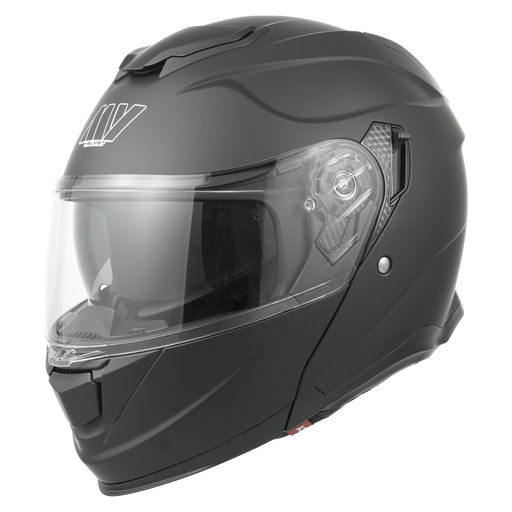
Why It Stands Out: This helmet combines the convenience of a modular design with the essential features needed for daily riding. The flip-up mechanism is ideal for commuters and touring riders who value versatility. Its construction focuses on both protection and comfort for longer journeys.
Pros:
Who is it for? This unisex motorcycle helmet is well-suited for riders looking for a versatile, feature-rich modular helmet for commuting, touring and general leisure riding.
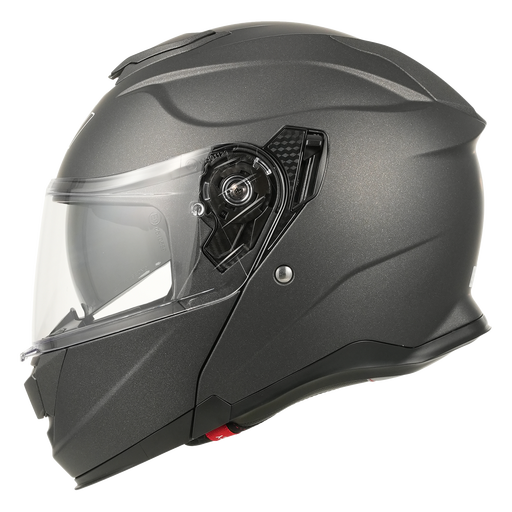
Why It Stands Out: Offering the same functional benefits as its matte black counterpart, this version comes in a sophisticated Matte Titanium finish. It’s a great option for riders who want their gear to complement the aesthetics of their cruiser, naked or sport-touring bike.
Pros:
Who is it for? Riders who appreciate the practicality of the MY-935 modular design but prefer a modern, metallic finish to match their motorcycle.
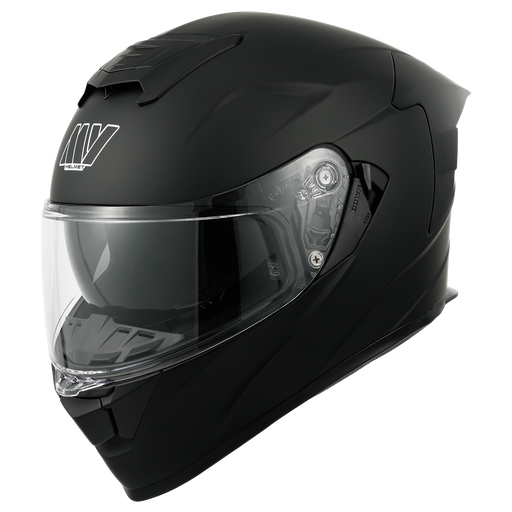
Why It Stands Out: For those who prefer the classic, uninterrupted shell of a full-face helmet, the MY-936 is a strong contender. It focuses on core protective and comfort features, including a fully removable and washable liner for easy maintenance.
Pros:
Who is it for? Daily commuters and street riders who prioritise the structural simplicity of a full-face helmet but still want the convenience of an internal sun visor and a hygienic, removable liner.
Once you have selected your new helmet, keeping it in top condition is key. If you are looking for a replacement sun visor or a different tint for changing light conditions, you can explore our selection of compatible motorbike helmet visor options.
The ECE 22.06 standard is a significant update to the previous 22.05 regulation. The new testing protocol is more rigorous and includes a wider range of impact tests at both higher and lower speeds. It also introduces testing for rotational forces, which simulates more realistic accident scenarios. Additionally, accessories like official sun visors and communication systems are now tested with the helmet to ensure they do not compromise its safety.
Yes, it is still legal to wear a helmet that was certified under the ECE 22.05 standard on UK roads. The new 22.06 regulation applies to the manufacturing and sale of new helmets. However, when it is time to replace your old helmet, your new purchase must be an ECE certified helmet UK model that meets the 22.06 standard.
A correct fit is crucial for both safety and comfort. To find your size, use a flexible measuring tape to measure the circumference of your head. The tape should be positioned approximately 2cm above your eyebrows and wrap around the widest part of the back of your head. Compare this measurement to the manufacturer's sizing chart, which is available on each product page. A new helmet should feel snug all around your head without creating uncomfortable pressure points.