What matters when choosing a drive?
Start with a plan for separate copies, then size each copy for your artwork and choose a drive that fits where and how you will use it. Check the computer connection and file system before moving files.
| Concern |
What to check |
Who this matters to |
| More than one copy |
Plan copies on different storage media in separate locations; keep track of what each contains. |
If losing one device would mean losing my original artwork, an independent copy is my priority. Around 31% of consumers would put archive resilience first. |
| Room for artwork |
Measure your current folders and allow for future projects and a duplicate copy. |
My layered files and older project versions keep accumulating, so I need space for the archive to grow. Capacity would be the primary concern for around 31% of consumers. |
| Transport and transfers |
Match the stated USB speed to your computer’s port; check what any protection rating covers. |
When I carry large artwork folders between locations, transfer time and careful transport matter more to me. Around 23% of consumers would prioritise portability and performance. |
| Computer and backup setup |
Check the supplied connection and choose a file system that fits your computers and backup method before copying. |
I need the archive to fit the computers and backup routine I actually use, without having to erase files to change the format. For around 15% of consumers, compatibility and workflow would come first. |
Relevant brands to consider
These examples illustrate different drive lines and checks; the characteristics described apply to the cited models, not every product from each brand.
Samsung
The portable T7 Shield line is relevant when a travelling artwork copy calls for an SSD with stated physical-protection features.
- Samsung lists 1 TB, 2 TB and 4 TB T7 Shield variants and states up to 1,050/1,000 MB/s sequential read/write for the line.
- The maximum transfer figures require a compatible connection. Samsung’s IP65 and 3 m drop claims have test conditions, and it says liquid, dust and drop damage are not covered by warranty.
Crucial
The X10 Pro is a portable SSD line to examine when a fast working copy also serves as one local archive copy.
- Crucial lists 1 TB, 2 TB and 4 TB versions, USB-C connectivity and stated read/write speeds of up to 2,100/2,000 MB/s.
- Its highest stated speed needs a compatible USB 3.2 Gen 2x2 host. Crucial says the drive ships formatted as exFAT; reformatting erases data.
Toshiba
Canvio Basics is a portable hard-drive line to consider for an offline copy that will usually be connected at a desk.
- Toshiba lists 1 TB, 2 TB and 4 TB variants with USB power and USB 3.2 Gen 1 connectivity.
- The cited drive is NTFS-formatted for Windows and requires reformatting for macOS. Its Type-A to Micro-B cable makes the computer’s available ports worth checking.
Joybuy drives for local artwork copies
These portable SSDs and hard drives offer ways to hold a local copy of artwork, whether you regularly carry files or usually connect a drive at a desk. Choose the connection and capacity for your workflow, then keep another copy on different media in a separate location.
 No image available
Samsung MU-PE1T0S 1 TB USB Type-C SSD, black
Consider this portable SSD if you carry an artwork copy between locations. Confirm that its connection and the drive’s file format suit your computer before transferring files; keep an independent archive copy elsewhere.
View on Joybuy
 No image available
Samsung MU-PG4T0B 4 TB USB Type-C SSD, black
The larger stated capacity is relevant if your local artwork folders need room to grow. Check that your computer supports the drive’s USB 3.2 Gen 2x2 connection and confirm the file format for your archive workflow.
View on Joybuy
 No image available
Samsung Portable SSD T7 4 TB, grey
This portable SSD suits a sizeable local copy that you also need to move between computers. Check the computer’s USB 3.2 Gen 2 support and choose a file format that fits the intended backup or file-copy routine.
View on Joybuy
 No image available
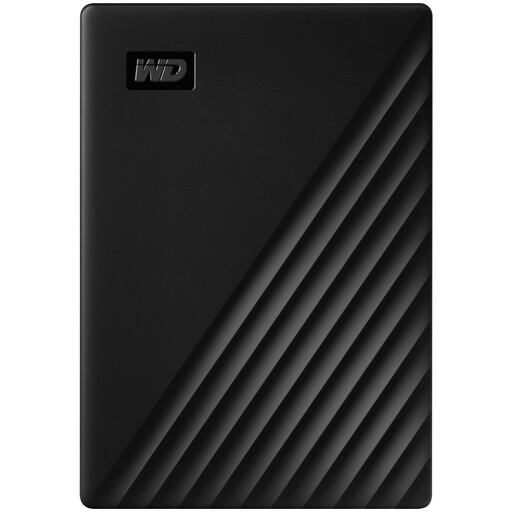
Western Digital My Passport 4 TB portable hard drive, black
Consider this hard drive for a local artwork copy that will usually be connected at a desk. Check the computer connection and file-system requirements before copying, and store a second copy separately.
View on Joybuy
 No image available
Western Digital Elements Portable 4 TB USB 3.0, black
This portable hard drive is relevant to a capacity-led local archive copy. Confirm the connector and the format needed by your Mac or Windows workflow before moving artwork onto it.
View on Joybuy
Questions about offline archiving
Can one external drive be my complete artwork archive?
No: one external drive is one copy, not a complete non-cloud archive. The Library of Congress advises copies on at least two different storage media in separate physical locations, with retained copies moved to current media about every five years.
Should I use a hard drive or an SSD for artwork?
Consider a USB-powered portable hard drive when capacity for an occasional, desk-based archive copy is the deciding need. Consider a portable SSD when regular transport or transferring large folders matters more, checking the stated connection and protection limits of the particular model. Either way, maintain an independent second copy.
Can I use one archive drive with both Mac and Windows?
You may be able to, but choose the file system and backup method before copying artwork. Apple lists exFAT as Windows-compatible; Toshiba says the cited Canvio Basics drive is NTFS-formatted for Windows and needs reformatting for macOS. Make another checked copy before reformatting a drive that already holds files.
How can I make local copies without a cloud service?
A Mac can use an external drive with Time Machine, while Microsoft says Windows File History can make regular copies to an external drive. Check which folders each tool covers, and maintain a separately organised archive copy if you need ordinary files you can browse outside the system-backup set.
Does a rugged SSD remove the need for another copy?
No: a protection rating does not make an SSD a complete archive. Samsung says the T7 Shield’s water, dust and drop claims depend on conditions and that related damage is not covered by its warranty. Keep another copy on different media in a separate location.


