
24/7 全天候客户支持

免费退货

当日/次日达

品质保障

开启新人专享福利: 全场免邮 | 低至 2 折 | 免费试用 30 天 JoyPlus 会员
下载 Joybuy
Dark circles rarely have one single cause. Genetics, visible blood vessels, pigmentation, dehydration, lack of sleep and the natural structure of the eye area can all affect how under-eyes look. That is why an eye cream for dark circles may improve brightness or hydration without completely removing discolouration.
The right purchase depends on matching the formula to your concern, skin sensitivity and routine. Before choosing, watch out for these common shopping traps.
A caffeine eye cream is often chosen for a tired or puffy appearance, while a brightening eye cream may be more suitable when uneven tone is the main concern. Neither option is automatically appropriate for hollowness or naturally deeper pigmentation.
Look at the full ingredient list rather than relying on the front label. Caffeine, niacinamide and vitamin C derivatives are commonly used in products for a brighter-looking eye area. Hyaluronic acid, glycerin and plant oils are more relevant when dryness makes the area appear dull or lined.
Natural-origin formulas can contain fragrance, essential oils or botanical extracts that do not suit everyone. For example, ingredients such as limonene, linalool, alcohol denat. and parfum may be unsuitable for particularly reactive skin.
If you need eye cream for sensitive skin, check the ingredients and follow the product’s patch-test guidance. “Vegan”, “natural” or “cruelty-free” describes a product’s formulation or ethical positioning, not an assurance that irritation is impossible.
Some formulas contain mineral pigments or light-reflecting ingredients that create an immediate, cosmetic brightening effect. This can be useful under make-up, but it is different from gradually supporting a more even-looking skin tone.
Also check the net content. Most eye creams contain around 12–15ml, so a lower price may reflect a smaller tube or jar rather than better value.
Choose the formula according to the appearance you want to address:
The eye contour is delicate, and products should not be applied directly to the eyeball, inner rim or mucous membranes. If you are prone to sensitivity, compare the INCI list with ingredients you already know you tolerate.
A formula containing fragrance or essential oils is not automatically unsuitable, but it deserves more caution. Stop using any under-eye cream if persistent redness, itching, stinging or swelling develops.
A rich cream can feel comfortable on dry skin but may sit heavily beneath concealer. Lightweight gel, mousse or powder-cream textures may suit morning use and make-up application.
Check the directions, too. Some products are intended for morning and evening use, while retinoid formulas are generally positioned for night-time routines. Apply a small amount by gently patting around the orbital area rather than rubbing or pulling the skin.
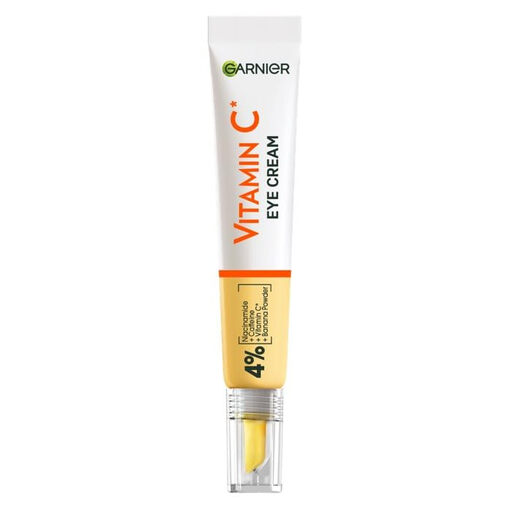
Why This Fits Their Persona: A straightforward option for someone starting an eye-care routine and wanting a lightweight product for morning or evening use.
The ingredient list identifies vitamin C derivative, niacinamide and caffeine rather than relying only on a vague brightening label.
Powder-cream texture; ophthalmologically tested and described as suitable for sensitive skin and contact lens wearers.
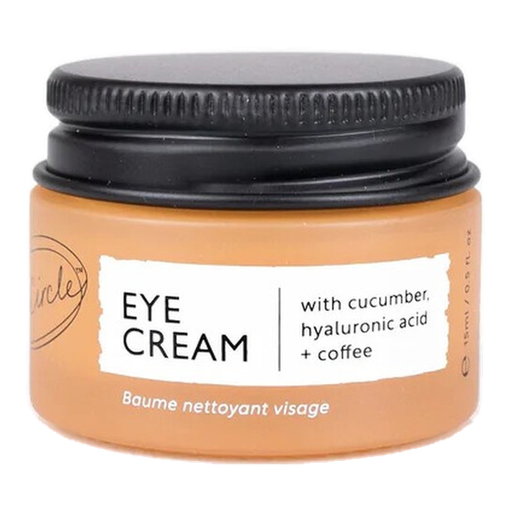
Why This Fits Their Persona: A UK-made choice for shoppers prioritising vegan credentials, recycled-origin ingredients and recyclable packaging.
Its listed ingredients make the formula easier to assess, including caffeine, cucumber, chamomile and sodium hyaluronate.
99% natural; vegan and cruelty-free; packaged in a glass jar with an aluminium lid.
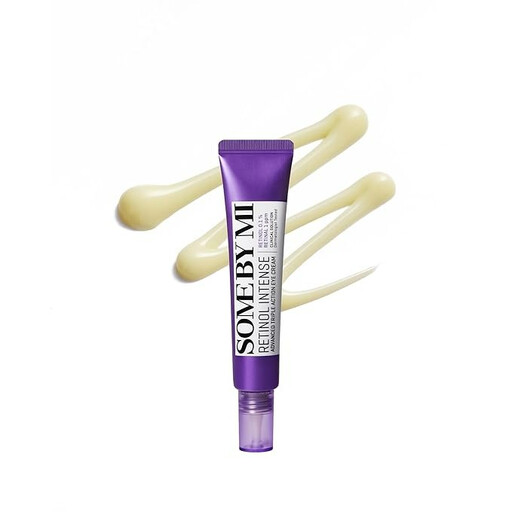
Why This Fits Their Persona: Intended for shoppers prioritising fine-line care and willing to introduce a retinoid gradually into a night routine.
The product specifies retinol and retinal content, and its directions advise gradual use for newcomers rather than immediate daily application.
Contains 0.1% retinol and retinal, plus niacinamide, tranexamic acid, panthenol and hyaluronic acid; supplied in a 30ml size.
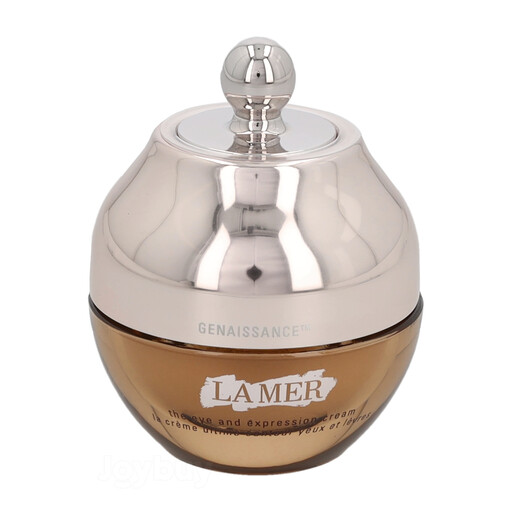
Why This Fits Their Persona: A luxury-format treatment for shoppers who prefer a rich, ingredient-led product aimed at hydration, puffiness and visible lines.
The formula and 15ml quantity are visible for comparison, helping buyers judge whether the premium positioning matches their priorities.
Includes algae extract, caffeine, sodium hyaluronate and emollient ingredients for a moisturising texture.
We have compiled a complete, real-time list of products that fully satisfy these strict selection criteria and UK safety regulations.
Use a small amount—usually less than a pea-sized quantity for both eyes—and gently tap it along the orbital bone. Keep the product away from the inner eye and lash line. Apply eye cream after lighter serums and before a facial moisturiser, unless the product directions specify otherwise.
For retinol products, begin on alternate nights and avoid combining them immediately with other potentially irritating actives around the eye area. In the daytime, apply sunscreen around—but not inside—the eye area as directed by the sunscreen label.
No skincare product can guarantee complete removal. Eye cream may improve the appearance of dryness, puffiness, dullness or uneven-looking tone, but genetic pigmentation, shadows caused by facial structure and hollowness may remain. Choose based on the specific type of dark circle you notice.
Many caffeine formulas are designed for regular morning or evening use, but always follow the individual product directions. Apply sparingly and stop if discomfort occurs. Caffeine may suit a routine focused on the appearance of puffiness, while a hydrating eye cream may be more useful when dryness is the main issue.
It depends on how much you apply and whether you use it once or twice daily. Because only a small amount is needed around each eye, a 15ml product can last several weeks or longer. Keep the lid firmly closed, store it according to the packaging instructions and check the period-after-opening symbol where provided.