
24/7 全天候客户支持

免费退货

当日/次日达

品质保障

开启新人专享福利: 全场免邮 | 低至 2 折 | 免费试用 30 天 JoyPlus 会员
下载 Joybuy
Navigating the world of fineliner pens can be surprisingly complex. Whether you're an artist preparing for a detailed illustration, an architect drafting precise plans or a student organising notes, the right pen is crucial. However, the market is filled with options that promise much but often fall short, leading to wasted money and frustration. This guide, from your Joybuy Product Recommendation Officer, will help you identify the key features that matter and sidestep the common purchasing traps.
Before you add another set of pens to your basket, let's look at the three most common issues that catch buyers out:
To ensure your next purchase meets your needs, focus on these two non-negotiable specifications.
The type of ink in your pen determines its permanence and versatility. Understanding the difference is key to selecting the right tool for your sketching pens or writing needs.
The tip is where the pen meets the paper, and its construction is paramount for control and longevity.
Based on these practical criteria, we've matched some reliable options to different user needs.
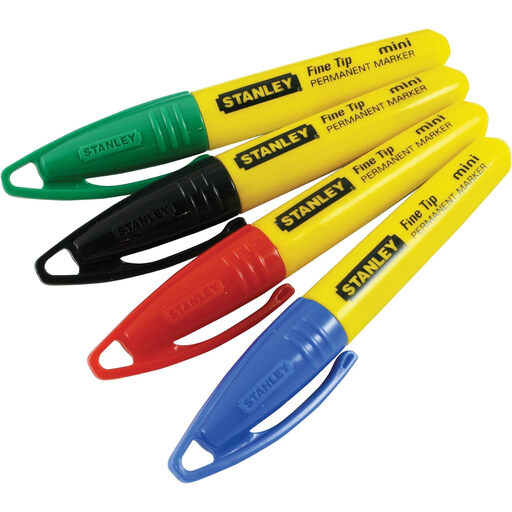
Why This Fits Their Persona: For students, office workers or anyone needing reliable pens for daily tasks without a large investment. This pack provides the essential colours for colour-coding notes and general writing.
It avoids the trap of inconsistent performance by offering a smooth, reliable ink flow designed for everyday writing, preventing the skipping and blotting common in unbranded budget pens.
A straightforward, no-frills set of four essential colours. The ergonomic design ensures comfort during long writing sessions.
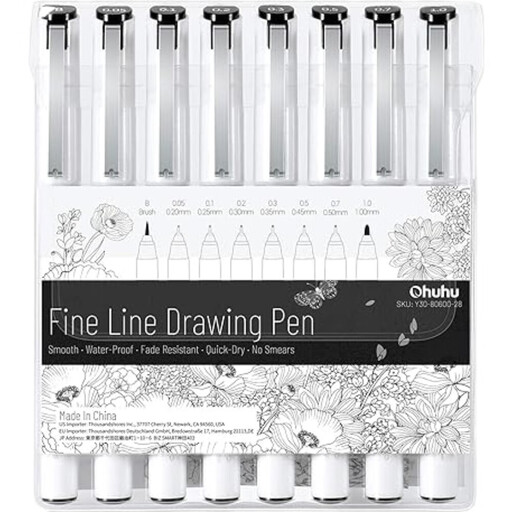
Why This Fits Their Persona: Perfect for illustrators, designers and manga artists who need a variety of line weights and archival-quality ink for professional work that will be scanned or combined with other media.
This set directly counters the ink confusion trap by providing quick-drying, fade-proof and genuinely waterproof ink. This ensures linework stays crisp and does not bleed when watercolour or markers are applied over it.
Includes 7 different tip sizes (0.05mm to 1.0mm) plus a flexible brush pen, offering immense versatility in a single pack. The ink is non-toxic and archival quality.
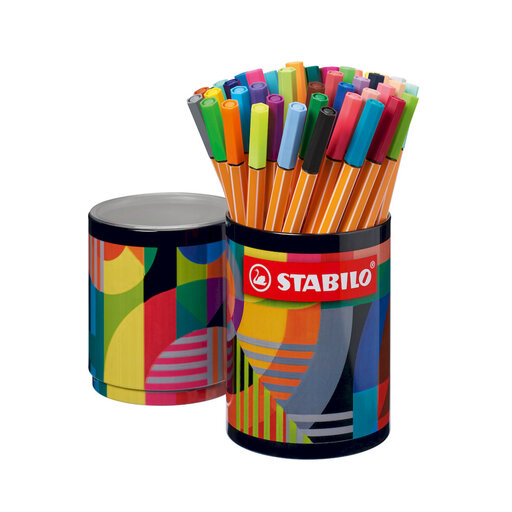
Why This Fits Their Persona: Ideal for bullet journal enthusiasts, students who use colour-coding extensively and hobby artists who need a wide palette of coloured fineliners for their creative projects.
This set directly addresses the fragile tip problem. Each pen features a durable, metal-encased tip that maintains its 0.4mm shape, ensuring it holds up to use with stencils and rulers without fraying.
An extensive range of 45 brilliant colours in a durable tin. The hexagonal barrel design provides a comfortable, controlled grip for long sessions of colouring or writing.
We have compiled a complete, real-time list of products that fully satisfy these strict selection criteria and UK safety regulations.
The most important step is to always replace the cap securely immediately after use. The fine tips can dry out very quickly when exposed to air. For long-term care, storing your pens horizontally helps ensure the ink is evenly distributed within the pen's reservoir and doesn't pool at one end.
Yes, but only if you use the correct type. You must use a fineliner with waterproof pigment ink. After drawing your lines, allow the ink to dry completely (this can take a few minutes) before applying watercolour washes. A dye-based ink fineliner will bleed and smudge as soon as it comes into contact with water.
The terms are often used interchangeably, but there can be a distinction. A fineliner typically has a fibre-tip, which may or may not be encased in metal. A traditional technical drawing pen often has a steel needle-point tip and may be refillable. However, many modern disposable pigment liners are now designed to such high standards that they are widely used for technical drawing, blurring the lines between the two categories. For most users, a high-quality pigment fineliner offers the precision needed for technical work.