
24/7 Customer Support

Free returns

Same-day & Next-day Delivery

Quality Guaranteed

Unlock Your Welcome Offers: FREE Delivery | Up to 80% OFF | Free 30-day JoyPlus trial
Download the APP
Navigating the hair care aisle can feel overwhelming. With countless bottles promising miraculous transformations, it is easy to end up with a product that either weighs your hair down or fails to deliver the promised nourishment. Many of us have a collection of half-used conditioners under the sink that simply did not live up to the hype.
As the Joybuy Product Recommendation Officer, my role is to help you see past the marketing jargon. Before you spend another pound, let’s look at the common pitfalls that lead to disappointing purchases and how you can choose a hair conditioner that genuinely suits your needs.
vegan hair conditioner or natural hair conditioner label is appealing, but it does not guarantee performance. A product packed with natural oils might be a saviour for coarse, conditioner for dry hair needs, but it could be a greasy disaster for fine hair. The effectiveness lies in the specific formulation and whether its ingredients match your hair's structure and concerns, not just its "natural" credentials.deep conditioner daily is like over-watering a houseplant—it can do more harm than good by causing hygral fatigue (damage from excessive swelling and drying). Conversely, relying only on a light rinse-out formula for severely damaged hair will not provide the intensive repair it needs. Understanding the difference between daily, leave-in and deep conditioners is crucial for building an effective routine.To make a smart choice, focus on the ingredients and format that align with your specific hair goals.
The ingredient list is your most reliable guide. Look for these components to address common UK hair concerns:
conditioner for damaged hair will often feature these high on its ingredient list.volumising conditioner should contain lightweight hydrators. Avoid heavy butters and oils. Ingredients like panthenol (Pro-Vitamin B5) can add moisture and body without flattening your style.conditioner for coloured hair that helps seal the hair cuticle to prevent colour molecules from washing out. Look for ingredients that offer some protection from environmental stressors, which can contribute to fading.Instead of a generic list, we have matched specific products to different user needs, helping you find a formula that truly works for you.
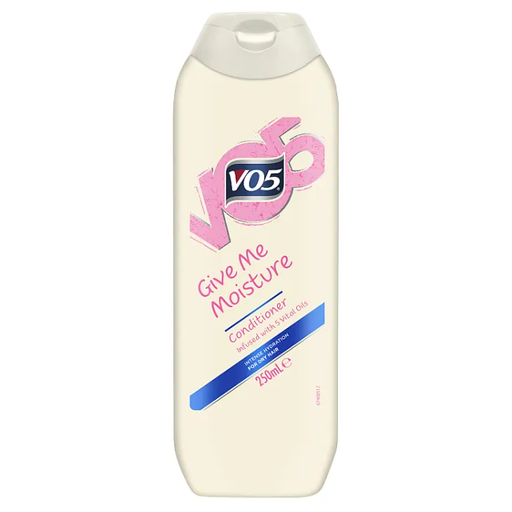
Why This Fits Their Persona: This is for the person who needs a reliable, no-fuss conditioner for daily use. It targets dryness, a common issue in any UK household, providing noticeable softness and hydration without a premium price tag.
It uses silicones (like Dimethicone) intelligently. As a rinse-out formula, it provides excellent slip and shine to combat frizz, but is designed to wash away cleanly, avoiding the heavy build-up that can weigh hair down over time.
Infused with a blend of five nourishing oils (Argan, Jojoba, Apricot, Avocado and Grapeseed) to deliver effective hydration for dry hair.
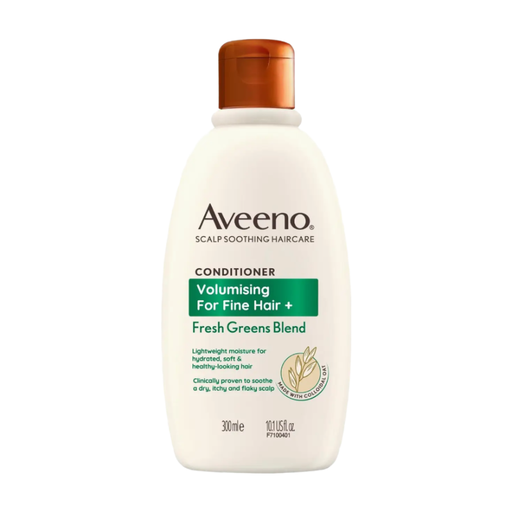
Why This Fits Their Persona: Perfect for those with fine or thin hair who find most conditioners leave their hair flat and lifeless. This formula provides moisture while actively working to create body and fullness.
It directly counters the silicone build-up trap by providing lightweight moisture without heavy ingredients. The focus on scalp health with colloidal oat adds a functional benefit beyond simple marketing claims, addressing a root cause of poor hair health.
The formula is enriched with colloidal oat, which, according to the brand, is clinically proven to help soothe a dry, itchy scalp, while the blend of cucumber, rosemary and peppermint adds lightweight volume.
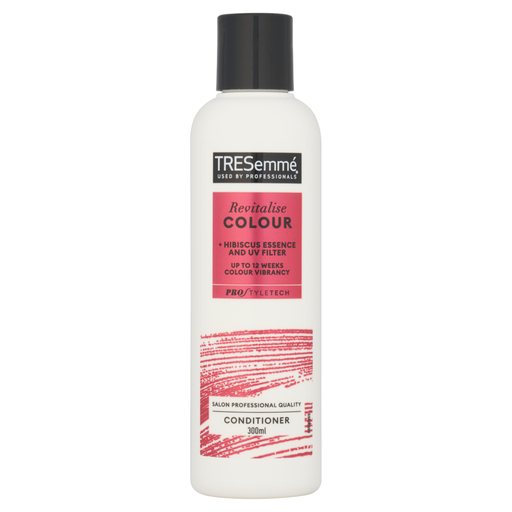
Why This Fits Their Persona: For anyone who regularly colours their hair, maintaining vibrancy is a top priority. This conditioner is formulated specifically to protect and enhance coloured hair, helping to prolong the life of your salon or at-home treatment.
It goes beyond just adding a surface-level shine. The formula is designed to lock in moisture and repair damage from chemical treatments, ensuring your colour stays vibrant for longer while also improving the underlying health of your hair.
Its advanced formula is crafted to protect colour while deeply nourishing, strengthening strands and leaving hair soft, smooth and easy to manage.
We have compiled a complete, real-time list of products that fully satisfy these strict selection criteria and UK safety regulations.
1. How often should I use a deep conditioner or hair mask? For most hair types, using a deep conditioner once a week is sufficient to provide an intensive moisture boost. If your hair is extremely dry or damaged from chemical processing, you might benefit from using one twice a week initially, then reducing to weekly as your hair's condition improves.
2. Can I apply conditioner to my scalp? It is generally recommended to apply conditioner from the mid-lengths to the ends of your hair. These are the oldest and typically most damaged parts of your hair. Applying conditioner directly to the scalp can weigh down roots, especially if you have fine or oily hair and may lead to build-up. The exception is for scalp-soothing formulas, like the Aveeno product mentioned, which are specifically designed for scalp application.
3. Why does my conditioner seem to stop working after a while? This is a common experience and is usually due to product build-up. Over time, ingredients like silicones, heavy oils or even some polyquats can form a film on the hair shaft. This prevents the conditioner from penetrating effectively. To resolve this, use a clarifying shampoo once every few weeks to remove the build-up and "reset" your hair, allowing your conditioner to work properly again.