
24/7 Customer Support

Free returns

Same-day & Next-day Delivery

Quality Guaranteed

Unlock Your Welcome Offers: FREE Delivery | Up to 80% OFF | Free 30-day JoyPlus trial
Download the APP
By Joybuy Product Recommendation Officer27 August 2026
If you have noticed your car’s headlights looking yellow, foggy or dim, you are not alone. Over time, the polycarbonate lenses on modern vehicles degrade due to UV exposure, road grime and oxidation. This not only detracts from your car's appearance but, more importantly, reduces light output, compromising your safety during night-time driving and potentially causing an MOT failure.
While professional restoration services can be costly, a quality DIY headlight restoration kit offers a practical and affordable solution. However, the market is filled with products that make bold promises. To help you make a sound investment, we will highlight the common pitfalls to avoid and the key features to look for.
Many car owners in the UK find themselves disappointed after a few months when their newly polished headlights turn cloudy again. This is often due to choosing the wrong type of product. Here are the main traps to watch out for:
yellow headlight cleaner. They can make your headlights look better for a short time by buffing the surface, but they fail to apply a new protective layer. Without a proper sealant, the plastic is left exposed, and the yellowing often returns within weeks, especially with the unpredictable British weather.no drill headlight restoration kit is a safer and more controlled option.headlight sealant is non-negotiable for a long-lasting result.To ensure you only have to do the job once, focus on these core components when choosing a kit. Understanding them will help you improve headlight clarity for the long term.
Learning how to clean cloudy headlights effectively involves more than just a simple polish. The yellow, oxidised layer needs to be physically removed. A good kit will provide a method for this, typically through:
A kit that includes both a method for removing oxidation and a compound for final polishing is far more likely to yield a professional-looking result.
This is the most important element for longevity. After the lens is polished, it is raw and vulnerable. A headlight sealant creates a new, hard-wearing barrier against UV rays and environmental contaminants. Look for kits that explicitly mention a sealant, particularly those with ceramic or acrylic formulations, as these tend to offer more robust and lasting protection.
We have analysed the market to find options that align with the practical needs of UK drivers. Instead of a simple list, we have matched products to specific user profiles to help you find the right fit.
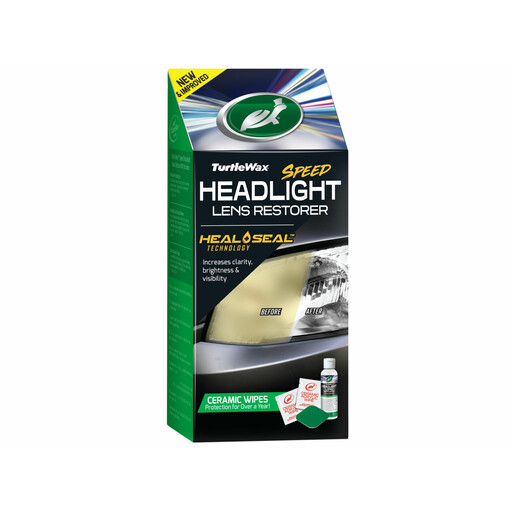
Why This Fits Their Persona: This is an ideal solution for the UK car owner who wants a straightforward, effective fix for cloudy headlights without needing to purchase extra power tools. It directly addresses a common MOT failure point with minimal fuss.
It is a complete no drill headlight restoration kit that includes a dedicated headlight sealant (Ceramic Acrylic Wipes). This prevents the quick return of yellowing that plagues simple polishes.
The kit contains everything needed: a precision polishing pad, a renewing compound and the crucial sealant wipes. According to the brand, the ceramic acrylic sealant helps protect the lens for up to 12 months.
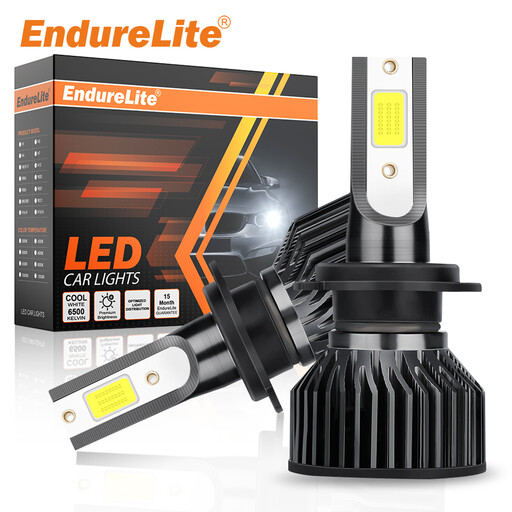
Why This Fits Their Persona: For the driver who has already restored their lenses and now wants to maximise light output for superior night-time driving on unlit B-roads. This is the logical next step after improving lens clarity.
Instead of just polishing a lens in front of a dim bulb, this directly upgrades the light source itself. It complements a restored lens by projecting a brighter, whiter light through the newly cleared plastic.
Offers a significant increase in brightness over standard halogen bulbs. The plug-and-play design and 1:1 size match with stock bulbs simplify the installation process for DIY enthusiasts.
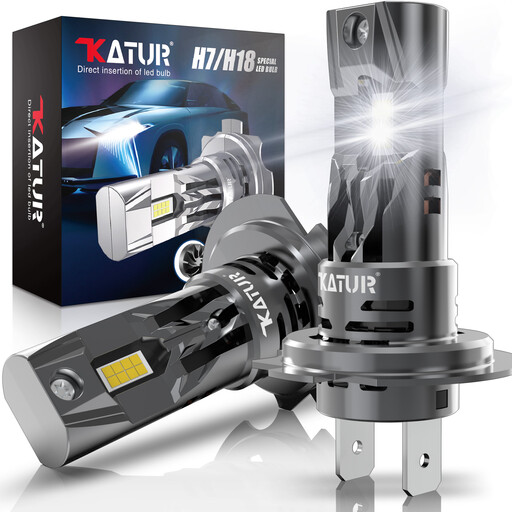
Why This Fits Their Persona: Ideal for daily commuters who face varied driving conditions and prioritise a clear, well-defined beam to avoid dazzling other drivers while improving their own visibility, especially after restoring their headlight lenses.
This addresses the root cause of poor light projection—the bulb itself—after the lens clarity issue is solved. A good beam pattern is as important as brightness, a factor often overlooked when just focusing on polishing.
Features a 1:1 mini size that mimics original halogen bulbs, designed to produce a focused beam pattern that illuminates the road without creating glare for oncoming traffic. The built-in fan aids cooling for a longer operational life.
We have compiled a complete, real-time list of products that fully satisfy these strict selection criteria and UK safety regulations.
1. How long does headlight restoration last? The longevity of a restoration depends almost entirely on the quality of the headlight sealant used. A simple polish might only last a few months. However, a comprehensive kit that includes a high-quality ceramic or acrylic UV sealant can protect the lens for a year or even longer under typical UK conditions. Regular car washing (avoiding harsh, abrasive chemicals on the lenses) will also help prolong the finish.
2. Can I pass an MOT after using a headlight restoration kit? Yes, in many cases, a restored headlight will help you pass your MOT. The test assesses whether the light output is sufficient and the beam pattern is correct. A cloudy, yellowed lens significantly reduces light output and can diffuse the beam, leading to a failure. Using a good car headlight cleaning kit to improve headlight clarity restores the light's intensity and focus, often bringing it back within the required standards.
3. Is a no drill headlight restoration kit effective enough? For the vast majority of cases involving moderate yellowing and oxidation, a manual, no-drill kit is perfectly effective. These kits are designed to provide enough abrasive power to remove the damaged layer by hand. Drill-based kits can be faster for severely neglected headlights, but they require a steady hand and experience to avoid causing damage. For the average car owner, a no-drill kit is the safer, more practical and highly effective choice.