
24/7 Customer Support

Free returns

Same-day & Next-day Delivery

Quality Guaranteed

Unlock Your Welcome Offers: FREE Delivery | Up to 80% OFF | Free 30-day JoyPlus trial
Download the APP
For any paper craft enthusiast in the UK, from those creating handmade cards to scrapbookers documenting precious memories, metal cutting dies are a cornerstone of the craft box. They promise perfectly crisp shapes and intricate designs time after time. Yet, the online marketplace is flooded with options, and it is easy to make a purchase that leads to frustration, wasted cardstock and disappointment.
Many crafters find themselves with dies that bend after a single use, produce ragged edges, or simply refuse to release the paper from their complex patterns. Before you add another die to your basket, it is worth understanding the common pitfalls that can turn a creative session into a chore.
To ensure your craft dies deliver clean cuts and lasting value, focus on a few key technical aspects rather than just the design. These factors separate a reliable tool from a frustrating one.
The material of the die is the most critical factor for its performance and longevity. Look for dies made from 100% high-carbon steel. This material is harder and holds a sharp edge for significantly longer than cheaper metal alloys. A high-carbon steel die will cleanly slice through various materials, from thin paper to thick cardstock and is essential for achieving detailed results with die cuts for card making and complex scrapbooking dies. A softer metal will dull quickly, leading to frayed edges and incomplete cuts.
Two physical attributes to consider are the thickness of the die itself and the depth of its cutting edge (the "etching").
embossing stencil with the correct machine sandwich. This ensures the design is fully cut without needing multiple passes, which can shift the paper and ruin the result.While a complex lace or floral design can be stunning, it requires higher manufacturing precision. When choosing intricate paper craft templates, check that the design has small "release holes" on the back. These allow you to use a piercing tool to gently push the cut paper out without tearing it. For beginners, starting with simpler, bolder shapes can help build confidence and minimise frustration.
We have selected a few metal cutting dies that align with different crafting needs, keeping our core quality principles in mind.

Why This Fits Their Persona: For those new to die-cutting, a full alphabet and number set is the ultimate foundation. It offers maximum utility for personalising birthday cards, creating scrapbook titles or labelling home organisation projects, providing far more long-term value than a single niche design.
This set sidesteps the "looks good, cuts poorly" trap. Its classic, bold letterforms are less prone to tearing delicate paper and are easy to release from the die, making them perfect for beginners learning the process.
Constructed from durable carbon steel for longevity. The inclusion of both 26 capital letters and 10 numbers offers complete customisation for any project.
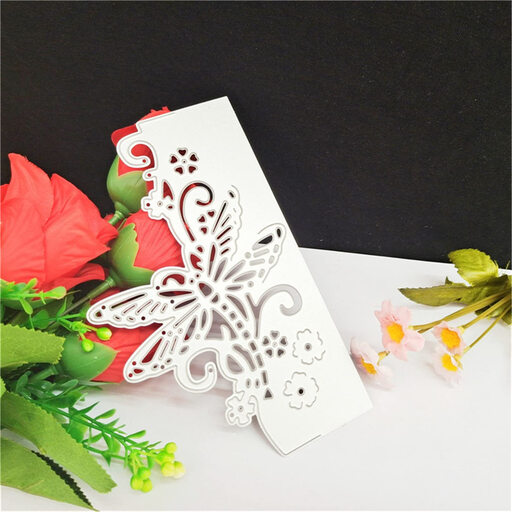
Why This Fits Their Persona: Ideal for the crafter who is focused on a specific event, like making a batch of Christmas cards or festive decorations. This set provides a cohesive collection of themed shapes, from snowflakes to Christmas trees, for a consistent project aesthetic.
This set avoids the incompatibility mistake. It features a variety of individual dies of a modest size, ensuring they will fit comfortably within the cutting plates of most standard A5-format die-cutting machines popular in the UK.
Offers multiple coordinated designs in one package, saving the user from having to buy several individual dies. The background embossing stencil adds texture and depth to projects.
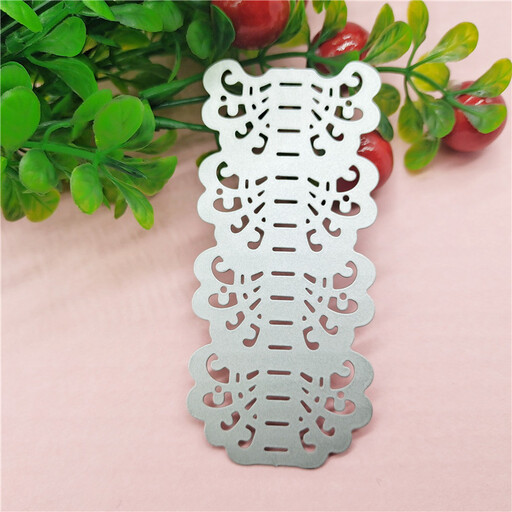
Why This Fits Their Persona: For the experienced crafter aiming for a professional, elegant finish. This die creates a delicate lace border or background element that elevates wedding stationery, anniversary cards or sophisticated scrapbook layouts beyond simple cut-outs.
A well-manufactured die like this directly counters the "cuts poorly" pitfall. It is precisely etched from quality carbon steel, ensuring the sharp edges capture every tiny detail of the lace pattern without snagging or tearing the cardstock.
Creates highly detailed, delicate patterns that are impossible to achieve by hand. The design is versatile enough to be used as a full panel, a border or a decorative corner element.
We have compiled a complete, real-time list of products that fully satisfy these strict selection criteria and UK safety regulations.
A metal cutting die has a raised, sharp edge designed to cut a shape out of paper or card. An embossing stencil (often a plastic folder) has a recessed design that presses a pattern into the paper without cutting through, creating a raised, textured effect. Some thin metal dies can be used for light embossing by using a specific combination of plates and mats in your machine, as recommended by its manufacturer.
This is a common issue. First, ensure your die is made from quality, sharp steel. For particularly detailed dies, try placing a sheet of wax paper between the die and your cardstock before running it through the machine. The wax coating helps the paper release more easily. Most intricate dies also have small holes in the back; you can use a die pick or piercing tool to gently poke the cut-out and any stubborn pieces free.
While it might seem possible to use a rolling pin or similar object, it is not recommended. A die-cutting machine provides thousands of pounds of perfectly even pressure, which is essential for a clean, crisp cut across the entire design. Attempting to apply this pressure manually is ineffective, likely to damage the die and will not produce a professional-quality result.