
24/7 Customer Support

Free returns

Same-day & Next-day Delivery

Quality Guaranteed

Unlock Your Welcome Offers: FREE Delivery | Up to 80% OFF | Free 30-day JoyPlus trial
Download the APP
That dreaded orange glow on your dashboard—the check engine light. It can signal anything from a loose fuel cap to a serious engine fault, often leaving you with a choice: pay a garage for a diagnostic check or risk ignoring it. An OBD2 scanner puts the power back in your hands, but choosing the right one can be a minefield of confusing jargon and hidden costs.
As a Joybuy Product Recommendation Officer, my role is to help you navigate this market. Many UK drivers invest in a car diagnostic tool only to find it falls short. Before you buy, be aware of these common pitfalls:
check engine light reader is not a full system diagnostic tool.To avoid these traps, focus on three core parameters that determine a scanner's true value and utility.
The first thing to analyse is what the tool can actually do. A basic device reads and clears engine fault codes. A more capable tool offers much more.
This is perhaps the most important factor for long-term ownership. The automotive world moves fast, with new models and software updates released every year. A scanner without regular updates will quickly lose its effectiveness.
Always look for an OBD2 scanner with lifetime free updates. This one-time purchase model ensures your tool remains relevant and capable of diagnosing the latest vehicles without incurring annual fees. It represents a significantly lower total cost of ownership.
How the scanner connects to your vehicle and your display device impacts its ease of use and future-readiness.
Based on these criteria, we've matched a few standout options to different user needs. These recommendations focus on delivering value and avoiding the common purchasing traps.
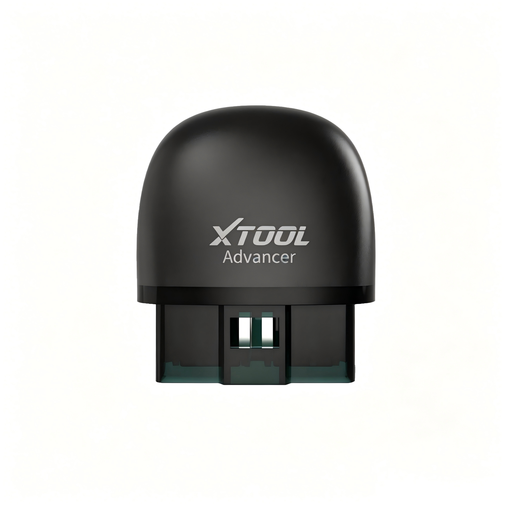
Why This Fits Their Persona: Ideal for the home mechanic who wants more than a basic code reader without a hefty price tag. This wireless dongle turns a smartphone into a powerful tool for diagnosing issues on family cars, helping friends or inspecting a used vehicle before purchase. The AI-powered guidance helps translate complex codes into plain English.
It offers a true one-time purchase with no subscription fees for standard diagnostics and updates. It also provides full system scanning, not just engine codes, and includes CAN FD support, avoiding the pitfalls of limited functionality and premature obsolescence.
Includes an Oil Life Reset function and a Smog Check (I/M Readiness) tool. The low-power sleep mode means it can be left plugged in without draining the car battery.
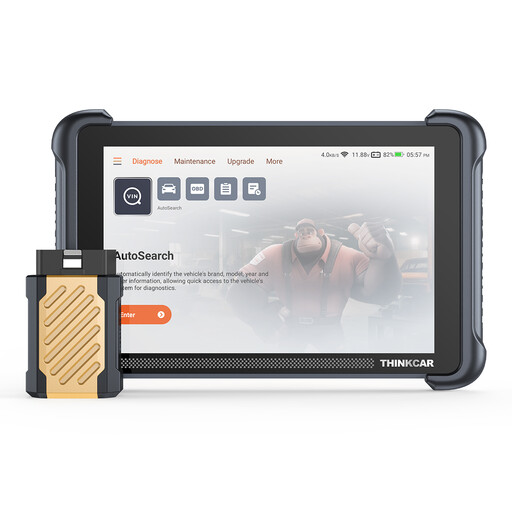
Why This Fits Their Persona: This tablet-based tool is for the user who has outgrown basic scanners. It's perfect for small garages or serious hobbyists who need to perform advanced maintenance, component testing and even some module coding. The 8-inch screen and wireless Bluetooth VCI offer a professional user experience.
Its standout feature is the lifetime free update policy, which is rare for a tool with this level of functionality. It provides professional-grade features like ECU coding and bi-directional control without the ongoing subscription costs typically associated with them.
Comprehensive capabilities including 34+ reset functions and support for modern protocols like CAN FD & DoIP. It's a powerful, all-in-one solution that bridges the gap between DIY and professional-grade tools.
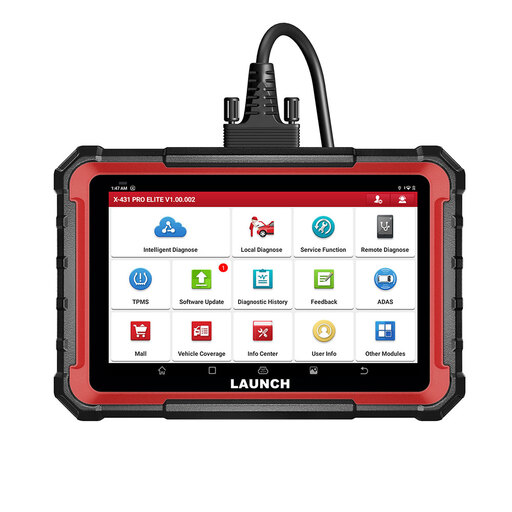
Why This Fits Their Persona: This is a workshop-grade tool for technicians who require maximum capability and efficiency. It offers OE-level diagnostics, extensive vehicle coverage and the ability to handle complex jobs like module replacement, advanced coding and in-depth active testing across a huge range of UK, European and Asian vehicles.
While it includes a 2-year free update period rather than lifetime, its sheer power and depth justify the investment for a professional setting. It provides access to functions like VAG Guided Functions and FCA AutoAuth, which are essential for modern workshops and are often paywalled on other platforms.
Features advanced ECU coding, full bi-directional control, and support for CAN FD/DoIP. It is also expandable with other professional tools like oscilloscopes and battery testers, making it a central hub for a diagnostic bay.
We have compiled a complete, real-time list of products that fully satisfy these strict selection criteria and UK safety regulations.
It depends on the model. Many affordable scanners require annual subscriptions to access full functionality or receive updates, which can become expensive. However, a growing number of tools, like some of those recommended above, offer a lifetime free update policy. This is a key feature to look for to maximise long-term value and avoid hidden costs.
Most likely, yes. All petrol cars sold in the UK and EU since 2001, and diesel cars since 2004, are required to be EOBD (the European equivalent of OBD2) compliant. This means a standard OBD2 scanner will be able to communicate with your vehicle's engine computer. However, for full system diagnostics and special functions, compatibility can vary. Always check the manufacturer's specific vehicle coverage list before purchasing.
A basic code reader, or check engine light reader, typically only communicates with the Engine Control Module (ECM). It can read and clear engine-related fault codes. A full system diagnostic tool is far more comprehensive. It can access, read and clear codes from all of the vehicle's electronic systems, including ABS (brakes), SRS (airbags), transmission, climate control, body control modules and more, giving you a complete picture of your vehicle's health.