Regular side-seat wildlife viewers
If you usually sit well to one side, judge colour and contrast from that seat rather than relying on how the TV looks straight on. RTINGS notes that viewing angle matters particularly for wide seating arrangements.


For a frequently used side seat, prioritise the picture at that viewing position over headline brightness or gaming features. OLED is a useful route when off-centre viewing and dark scenes both matter; a Mini LED/LCD TV can also suit the room if the exact model has a stated wide-viewing-angle feature and its reflection handling works for your seat. Neither panel label alone establishes how a particular screen will look from the side.
If you usually sit well to one side, judge colour and contrast from that seat rather than relying on how the TV looks straight on. RTINGS notes that viewing angle matters particularly for wide seating arrangements.
If daylight or lamps reflect towards your seat, assess reflections alongside the off-centre picture. Samsung UK lists both a wide-viewing-angle feature and an anti-reflection screen for its QN90D, illustrating why both specifications are worth checking on the exact model.
If the main viewing position is centred, you may be more willing to accept a change in the picture at the secondary seat. RTINGS explains that LCD panel types differ in their viewing-angle and contrast characteristics, so check the particular TV rather than relying on an LCD label.
Consider it when: the side seat is used often and dark wildlife scenes matter. LG UK describes wide viewing angles and self-lighting pixels across its OLED range.
Check: the exact model’s screen finish and how windows or lamps appear from your seat; a range-wide claim does not establish the result in your room.
Consider it when: side-seat viewing and room reflections both influence your choice. Samsung UK specifies Wide Viewing Angle and an anti-reflection screen for its QN90D.
Check: both features on the exact model and assess its picture from the side; they cannot be assumed for other Mini LED or LCD TVs.
A conventional LCD may still meet your needs if the side seat is used only occasionally. RTINGS describes a general trade-off between the narrower viewing angles and higher contrast typical of VA panels and the wider viewing angles and lower contrast typical of IPS panels; the exact TV still needs checking.
| Concern | What to check | Who this matters to |
|---|---|---|
| Picture from the side | Look for a stated wide-viewing-angle feature or an independent viewing-angle test of the exact model and size. | If I usually sit off-centre, I need colour and contrast to remain usable without moving to the middle. Around 50% of consumers put that side-seat picture first. |
| Dark scenes and colour | Check the exact model’s picture features and HDR support, then assess dark footage from your viewing position. | When a programme moves into forests or night scenes, I want to follow what is happening without sacrificing the view from my seat. For around 30% of consumers, dark-scene contrast and colour are the primary concern. |
| Room reflections | Locate windows and lamps relative to your seat; compare any stated anti-reflection feature on the exact model. | A window or lamp may be visible in the screen from my side seat, so controlling that reflection matters most to me. Roughly 20% of consumers prioritise reflection handling. |
Those labels do not establish how colour or contrast changes when you move off-centre. RTINGS notes that VA LCD panels generally have narrower viewing angles than IPS panels.
Check for a feature stated for the exact model, then look for an independent viewing-angle result or assess the screen from your intended seat.
A bright picture does not tell you whether a window or lamp will reflect towards your side seat. Anti-reflection features are model-specific; Samsung UK lists them for particular QN90D and S95F models.
Note where light falls in your room and check the exact screen’s reflection-handling features as well as its viewing angle.
LG UK describes wide viewing angles and black-level advantages for its OLED range, but the screen finish, size and room lighting still matter to the choice in front of you.
Confirm the precise model and size, and assess reflections and the picture from your usual seat before deciding.
How you watch affects TV Licence requirements, while taking away an old TV requires a separate plan. TV Licensing states that watching BBC iPlayer programmes requires a TV Licence.
Check the rules for your viewing and ask the retailer about its old-TV take-back or collection arrangements before ordering.
An OLED route to examine if you regularly watch from the side and care about contrast in dark wildlife scenes.
Offers OLED and Neo QLED/Mini LED models to compare when both a side view and reflections matter.
Its XR-48A90K is an OLED option to examine when screen size and HDR compatibility matter alongside side-seat viewing.
A Mini LED/QLED route to examine if you are comparing larger screens and their stated panel and dimming features.
These TVs offer OLED, Mini LED and Direct LED choices relevant to the side-seat question. Use their stated configurations to narrow your options, then check the exact screen’s off-centre picture and reflections for your room.
 No image available
For a regularly used side seat, assess this large screen from the position where you will watch wildlife programmes.
Confirm its viewing-angle performance and screen finish, particularly if windows or lamps face that seat.
 No image available
Consider this 55-inch option if you want to examine a Mini LED screen for side-seat wildlife viewing.
Check colour and contrast from your seat rather than treating a stated viewing-angle figure as a picture-quality result; assess reflections separately.
 No image available
If you are considering a 75-inch screen for wildlife programmes, check how this model looks from every seat you expect to use.
Its title identifies a QD-Mini LED display; confirm off-axis picture quality and reflection handling on the exact model.
 No image available
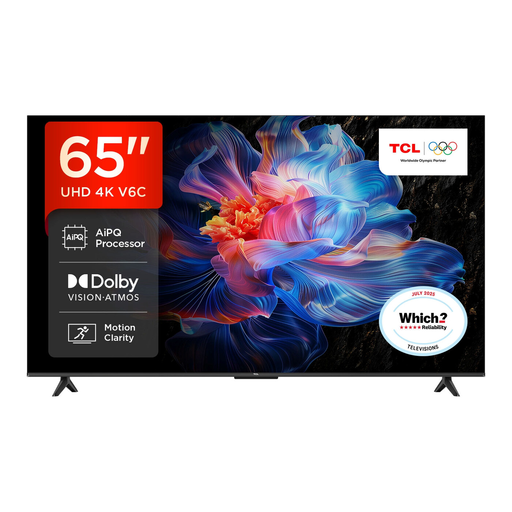
This Direct LED option is worth assessing if the side seat is secondary to a centred viewing position.
Check its picture from the side and its handling of room reflections; 4K HDR in the title does not answer either question.
 No image available
For side-seat viewing on a 75-inch screen, compare this model’s actual off-centre picture with your other options.
Check the exact screen’s reflection handling if daylight or lamps are visible from your seat.
A listing can identify a stated viewing-angle feature, but it cannot by itself show how colour and contrast will look from your seat. Check an independent viewing-angle test for the exact model or assess the screen from a comparable position; RTINGS notes that LCD panel types can behave differently off-centre.
It depends on how you watch them, not on which TV you buy. TV Licensing states that watching BBC iPlayer programmes, whether live or on demand, requires a TV Licence; check its guidance for any other service or viewing method you plan to use.
Check the energy label for the exact TV you intend to buy, alongside the screen size and features that matter to you. GOV.UK says products covered by energy-labelling rules must be supplied with an accurate printed energy label.
Ask the retailer about its take-back or collection arrangements before the new TV arrives. GOV.UK describes in-store take-back responsibilities for qualifying electrical retailers; confirm which arrangements apply to your order.