
24/7 Customer Support

Free returns

Same-day & Next-day Delivery

Quality Guaranteed

Unlock Your Welcome Offers: FREE Delivery | Up to 80% OFF | Free 30-day JoyPlus trial
Download the APP
Choosing omega-3 fish oil supplements can seem straightforward until you compare labels. One bottle may show “1,000 mg fish oil”, while another lists more than 1,000 mg of omega-3s. Capsule size, EPA and DHA levels, flavour, added vitamin D and the oil’s form can all affect whether a product suits your routine.
This guide explains the details that matter, highlights common buying traps and matches selected products to different shopping needs.
A capsule labelled 1,000 mg fish oil does not necessarily contain 1,000 mg of omega-3. The actual active amount is the combined EPA and DHA figure.
For example, NOW Foods Omega-3 provides 1,000 mg of fish oil per softgel, but the stated amount is 180 mg EPA and 120 mg DHA. By contrast, Solgar Triple Strength OMEGA-3 lists 950 mg of total omega-3s per softgel, including 504 mg EPA and 378 mg DHA.
Always compare the EPA and DHA amounts per serving rather than relying on the largest number on the front of the pack.
A high-strength formula can reduce the number of softgels required, but serving sizes differ. Some products provide their advertised amount in one capsule, while others require two.
Check:
A two-softgel serving may still be practical, particularly when taken with a main meal, but a once-daily formula may suit people who regularly forget supplements.
Fishy aftertaste, reflux and large softgels are common reasons people stop using omega-3 supplements. Lemon, orange, strawberry or sweet orange flavouring may make the experience more acceptable, while mini softgels can be easier to swallow.
These features do not automatically indicate higher nutritional value, so treat them as usability factors, not substitutes for checking EPA, DHA and ingredients.
EPA and DHA are the two figures to prioritise when comparing EPA and DHA supplements. Formulas with more EPA may appeal to shoppers seeking a targeted high-EPA product, while a more balanced EPA-to-DHA profile may suit general daily use.
For reference:
These are label values, and formulations may change. Check the packaging supplied with your order before use.
Some products identify the oil as triglyceride-form omega-3 or re-esterified triglyceride (rTG), while others may use a different form. The form is a useful comparison point, especially if you are specifically looking for an rTG formula.
Manufacturing and purification information also varies. Product descriptions may mention molecular distillation, third-party testing, traceability or a named purification process. These statements should be checked against the product label and manufacturer information rather than treated as a guarantee of personal results.
An omega-3 supplement may also contain:
Products containing fish are not suitable for people with fish allergies. Pregnant or breastfeeding people, those taking anticoagulants such as warfarin and anyone managing a medical condition should ask a doctor or pharmacist before use.
The following options are matched to different priorities rather than ranked universally. Product information is based on the supplied listings and should be confirmed on the current label.
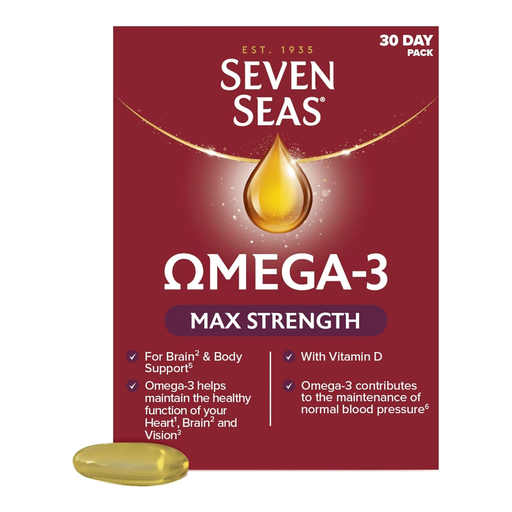
Why This Fits Their Persona: The 30-day pack and one-capsule daily direction offer a simple starting point for UK shoppers establishing a supplement routine.
The label separates 1,250 mg fish oil from 1,063 mg omega-3, including 688 mg EPA and 313 mg DHA.
One capsule daily; includes 10 µg vitamin D and sweet orange oil flavouring.
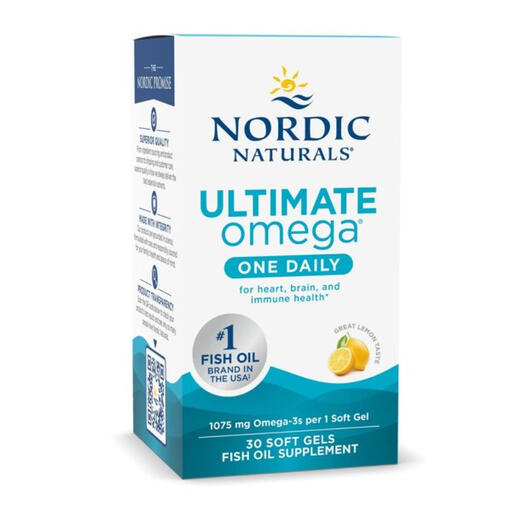
Why This Fits Their Persona: A once-daily format suits shoppers who prioritise a concentrated serving, lemon flavour and a stated rTG formulation.
The single-softgel serving makes the daily amount clear, avoiding a mismatch between front-label strength and serving instructions.
1,075 mg total omega-3s; 562 mg EPA and 438 mg DHA; lemon flavour.
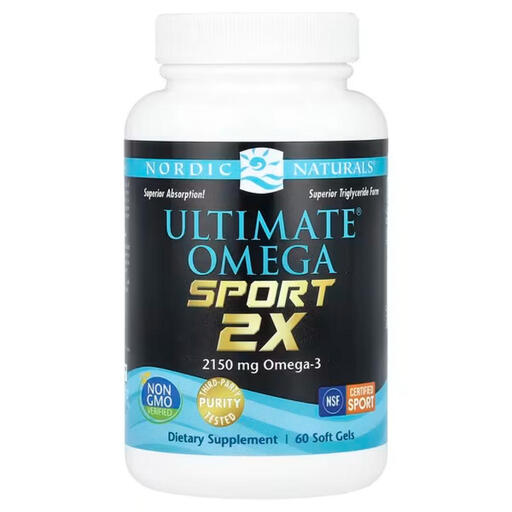
Why This Fits Their Persona: Its two-softgel serving is aimed at adults comparing high-strength omega-3 for demanding or active routines.
Its listing clearly states total omega-3, EPA and DHA per two-softgel serving rather than presenting fish oil weight alone.
2,150 mg total omega-3s; 1,640 mg EPA and 490 mg DHA; rTG form stated.
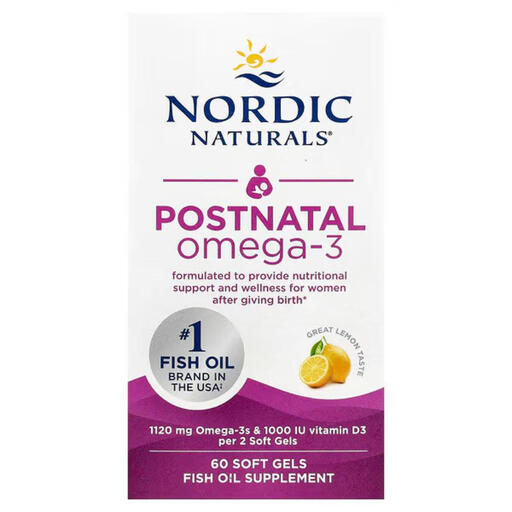
Why This Fits Their Persona: This targeted formula is designed for postnatal women and provides a stated combination of omega-3s and vitamin D3.
The product specifies its postnatal positioning, serving size, EPA, DHA, vitamin D3 and fish sources.
1,120 mg omega-3s; 586 mg EPA and 456 mg DHA; 1,000 IU vitamin D3; lemon flavour.
Follow the product’s stated directions rather than increasing the dose because a formula appears mild. Most of the featured products advise taking softgels with food, and some recommend a meal containing fat.
Store capsules in a cool, dry place away from direct sunlight. Certain products recommend refrigeration after opening, so check the individual label. Do not use a supplement if its tamper-evident seal is broken, and keep it out of the sight and reach of children.
Food supplements should not replace a varied, balanced diet and healthy lifestyle. Anyone with a fish allergy should avoid these products. Seek professional advice before use if pregnant, breastfeeding, taking anticoagulants or managing a medical condition.
We have compiled a complete, real-time list of products that fully satisfy these strict selection criteria and UK safety regulations.
It depends on the pack size and serving. A 30-softgel pack taken once daily lasts approximately 30 days. A 60-softgel pack taken as two softgels daily lasts approximately 30 days, while a 100-softgel pack taken once daily lasts around 100 days. Always use the directions on the current product label.
It may be convenient if you prefer fewer capsules, but compare EPA and DHA per daily serving, not just the words “high-strength” or the fish oil quantity. Capsule size, flavour and cost per day should also influence your decision.
Some products combine fish oil with vitamin D, but check whether you already take a separate vitamin D supplement. Avoid duplicating ingredients without advice from a pharmacist or doctor, particularly during pregnancy, breastfeeding or when taking medication.