
24/7 Customer Support

Free returns

Same-day & Next-day Delivery

Quality Guaranteed

Unlock Your Welcome Offers: FREE Delivery | Up to 80% OFF | Free 30-day JoyPlus trial
Download the APP
Choosing omega-3 supplements can look straightforward until you compare serving sizes, EPA and DHA levels, capsule formats and age guidance. A large number on the front of a bottle does not always tell you how much EPA or DHA you are actually buying.
For UK shoppers, the right choice depends on diet, age, pregnancy or postnatal needs, preferred format and whether fish-based ingredients fit your lifestyle. Use this guide to avoid common buying traps and compare suitable options before purchasing.
A capsule may contain 1,000mg of fish oil but considerably less EPA and DHA. Always check the nutrition panel for:
For example, a product providing 1,250mg of fish oil may list 750mg of omega-3, including 375mg EPA and 250mg DHA. Comparing only the fish oil figure could lead to an inaccurate price or potency comparison.
High-strength omega-3 products can reduce the number of softgels required, but a higher dose is not automatically more suitable. Some products are designed for general adult use, while others are intended for specific nutritional routines, such as prenatal omega-3 or children’s DHA.
Follow the stated serving and do not combine several high-dose fish oil supplements unless a healthcare professional advises you to do so.
Fish oil supplements can contain fish, gelatine or other ingredients unsuitable for particular diets. Flavour also affects whether a product becomes part of your daily routine. Lemon-flavoured fish oil, berry chewables and liquid drops each suit different preferences.
Check the label for fish, soya, gelatine, gluten and milk derivatives, particularly when buying for children or someone with allergies. Packaging and formulations may change, so the current product label should always take priority.
EPA and DHA are different omega-3 fatty acids. EPA is often more prominent in adult formulas focused on a higher EPA content, while DHA is commonly prioritised in children’s DHA, prenatal omega-3 and infant products.
The product’s intended audience should guide your comparison. For instance, the Nordic Naturals EPA formula lists 1,060mg EPA and 260mg DHA per serving, whereas the prenatal formula lists 450mg DHA and 300mg EPA per two softgels.
Calculate the daily cost using the recommended serving, not just the pack price. A 60-softgel bottle may provide 30 servings if the daily dose is two softgels. A 30-softgel bottle can provide the same number of days if the dose is one softgel.
Also check whether the stated amount is per capsule or per serving. This is particularly important when comparing high-strength omega-3 products with standard omega-3 softgels.
Consider the person taking the supplement:
Fish-based products are not suitable for people with fish allergies. Children’s products also have specific age guidance, so never assume an adult product can be divided or adapted for a child.
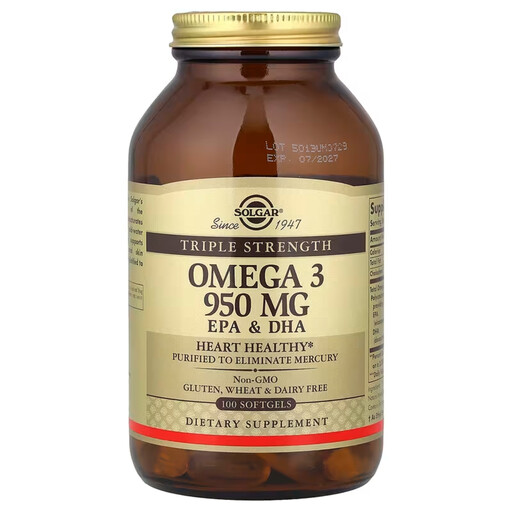
Why This Fits Their Persona: A straightforward adult softgel option for shoppers comparing daily EPA and DHA content with a larger 100-softgel pack.
The label separates 950mg total omega-3 from 504mg EPA and 378mg DHA per softgel, making comparisons clearer than using fish oil weight alone.
One softgel provides a clearly stated EPA and DHA amount; the pack contains 100 softgels.
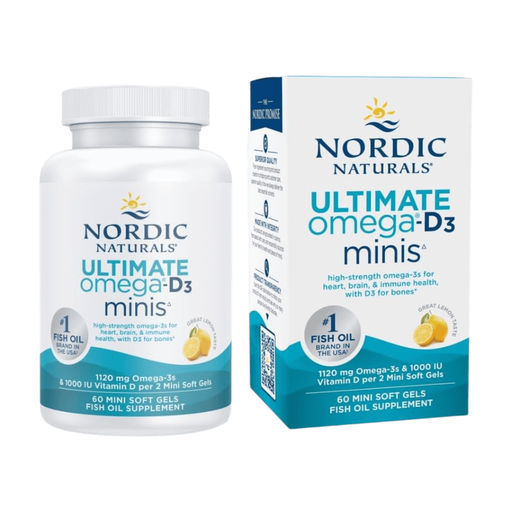
Why This Fits Their Persona: Suitable for adults who want mini softgels, lemon flavour and vitamin D3 included in the same daily formula.
Its panel lists 1,120mg total omega-3 per two softgels, including 586mg EPA and 456mg DHA, rather than presenting vitamin D as a substitute for omega-3 content.
Mini softgels; natural lemon flavour; includes 25mcg vitamin D3 per serving.
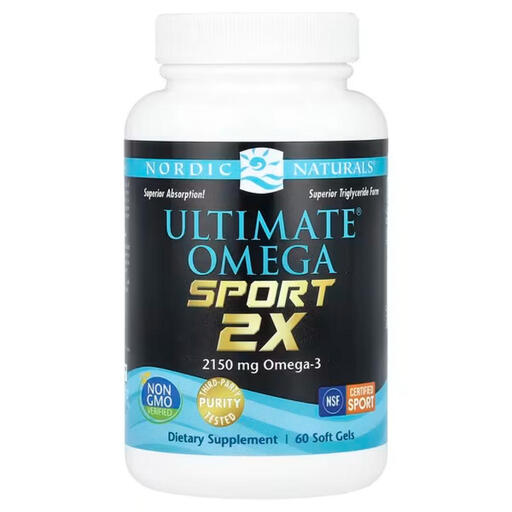
Why This Fits Their Persona: Designed for adults specifically comparing high-strength omega-3 formulas and a higher EPA content per serving.
The listed serving is two softgels and specifies 2,150mg total omega-3, including 1,640mg EPA and 490mg DHA.
High stated omega-3 content; triglyceride-form fish oil; lemon flavour.
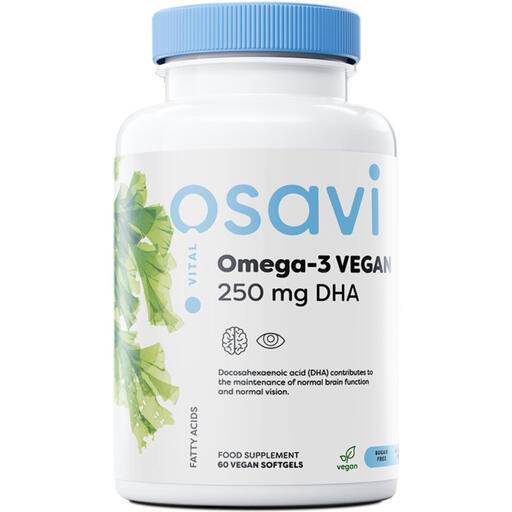
Why This Fits Their Persona: A plant-based option for UK vegetarians and vegans who want DHA without fish oil or gelatine.
The product uses algae oil and a tapioca softgel, so shoppers can distinguish a vegan DHA supplement from standard fish oil capsules.
Provides 250mg DHA per vegan softgel; listed as free from gluten, lactose, soya and GMO ingredients.
We have compiled a complete, real-time list of products that fully satisfy these strict selection criteria and UK safety regulations.
Children’s products should be selected by age, serving size and format. For example, the Nordic Naturals DHA gummies listed here are for children aged three and above, while some chewable softgels have different age guidance. Keep products containing xylitol away from pets and store all supplements out of children’s reach.
For pregnancy and breastfeeding, compare a dedicated prenatal omega-3 formula rather than assuming a general fish oil is suitable. The Nordic Naturals prenatal product lists 450mg DHA, 300mg EPA and vitamin D3 per two softgels. Discuss any supplement with a midwife, GP or pharmacist, particularly when taking medication, including anticoagulants.
Most products are directed to be taken with food, often with a main meal. Follow the product label rather than adapting an adult dose for a child or combining multiple formulas.
Storage instructions vary. Keep capsules in a cool, dry place away from direct sunlight. Some liquid DHA products require refrigeration after opening and may specify a period for use. Check the bottle for the best-before date and post-opening guidance.
Algae oil provides a plant-based source of DHA and is suitable for people avoiding fish. However, formulations vary in DHA quantity and may not provide EPA. Compare the nutrition panel with your dietary requirements and seek professional advice if pregnant, breastfeeding or taking medication.