
24/7 Customer Support

Free returns

Same-day & Next-day Delivery

Quality Guaranteed

Unlock Your Welcome Offers: FREE Delivery | Up to 80% OFF | Free 30-day JoyPlus trial
Download the APP
A portable cordless water flosser can make interdental cleaning easier at home, work or while travelling. However, product listings often focus on maximum pressure, battery claims and waterproof ratings without explaining how those figures affect everyday use.
Before buying a rechargeable water flosser, check three common pitfalls:
The right oral irrigator should balance pressure control, tank size, charging convenience, nozzle selection and water resistance for your routine.
Pressure control is particularly important for first-time users, people with sensitive gums and anyone cleaning around braces, bridges or implants. A useful water flosser should offer a genuinely gentle setting as well as stronger modes for removing food debris from between teeth.
Look for clearly stated pressure ranges rather than a single maximum figure. For example:
A pulse or on-demand function can also help control splashing and water flow. It is sensible to begin with soft mode and increase intensity gradually.
Tank capacity affects how often you need to refill the device. Compact travel water flossers commonly hold around 150–260ml, while larger cordless models may offer 280–360ml or more.
A 150ml tank keeps the device small but may require a refill during a longer session. A 300ml tank is more convenient for a complete routine, although the device may take up more room in a washbag.
A detachable tank with a wide opening is useful because it makes refilling, rinsing and air-drying simpler. After use, empty leftover water rather than storing the device with a full reservoir.
USB-C charging is convenient for UK homes, offices and travel because the same cable may work with other personal devices. Check whether the cable is included and keep the charging port dry before connecting it.
Nozzles should match your needs. Standard tips support everyday cleaning, while orthodontic tips can be useful around brackets and wires. Gum-care, periodontal and tongue-cleaning tips provide additional functions, but only if you will actually use them.
An IPX7 or IPX8 waterproof water flosser can generally tolerate wet bathroom conditions according to its stated rating. This does not mean you should charge it while wet or ignore the manufacturer’s instructions. IP ratings describe water-resistance testing conditions, not unlimited immersion during charging or storage.
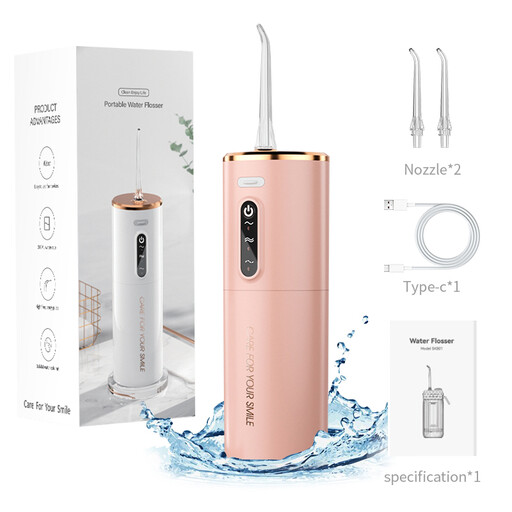
Why This Fits Their Persona: Its 280ml tank and three cleaning options provide a straightforward entry point for daily interdental cleaning without a complicated control system.
The 60–100 PSI range is stated clearly, helping shoppers avoid choosing a high-pressure device with no gentle starting point.
280ml removable tank; 1200mAh battery with stated fast charging and up to 70 days of use.
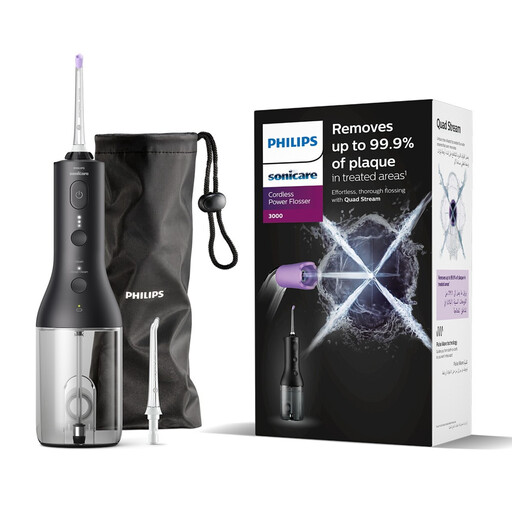
Why This Fits Their Persona: This option suits shoppers who value structured guidance, branded accessories and a familiar cordless format for regular home use.
It lists two flossing modes, three intensity levels and a 250ml reservoir rather than relying only on a maximum pressure figure.
Quad Stream and Pulse Wave features; IPX7 construction and stated battery use of up to 40 days.
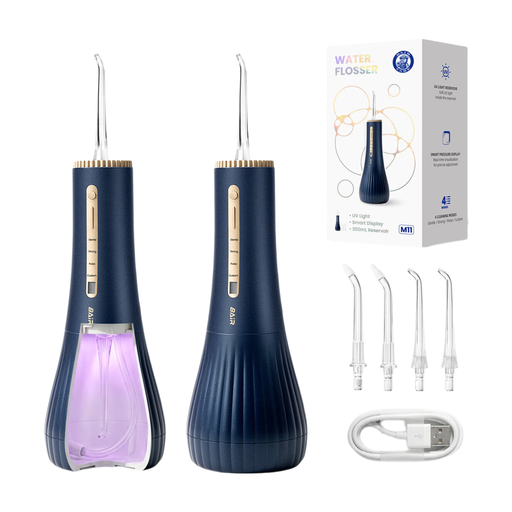
Why This Fits Their Persona: The larger tank and nozzle storage are practical for frequent users, households or people who want accessories organised between sessions.
Its four modes include Soft, Pulse and Custom options, while the 360ml tank addresses frequent-refill inconvenience.
USB-C rechargeable; IPX8 rating and stated battery life of up to 30 days.
We have compiled a complete, real-time list of products that fully satisfy these strict selection criteria and UK safety regulations.
Fill the tank with clean, lukewarm water and attach the appropriate nozzle. Lean over the sink, place the tip in your mouth before switching on the device and guide it along the gumline and between teeth. Keep your lips slightly open so water can flow into the sink.
Start on the lowest pressure setting, especially if you have sensitive gums. A water flosser complements brushing and other oral-care routines; it does not replace them. If you have recent oral surgery, persistent gum bleeding or a dental condition, ask your dentist whether an irrigator is suitable.
Empty and rinse the tank after each use. Clean the nozzle regularly and allow removable parts to dry fully. Do not operate the device while charging and make sure the charging port is dry.
Many models include an orthodontic nozzle and adjustable pressure, which can make cleaning around brackets and wires more manageable. Use a gentle setting initially and follow any cleaning instructions supplied by your orthodontic professional.
Battery runtime depends on pressure mode, session length and frequency. Product listings may state anything from around 30 days to 90 or more days, but these are usage estimates. The device’s overall service life also depends on nozzle replacement, tank cleaning, charging care and general handling.
A cordless water flosser uses a relatively small reservoir per session, typically between 150ml and 360ml among the products listed here. USB charging keeps electricity use straightforward, although actual consumption varies by battery capacity and charging frequency.