
24/7 Customer Support

Free returns

Same-day & Next-day Delivery

Quality Guaranteed

Unlock Your Welcome Offers: FREE Delivery | Up to 80% OFF | Free 30-day JoyPlus trial
Download the APP
A water flosser can make interdental cleaning easier for people who find string floss awkward, particularly those with braces, bridges, implants or busy routines. However, a high pressure figure or long battery-life claim does not automatically mean a better purchase.
The practical choice depends on how comfortably you can control the water stream, how often you want to refill the tank and whether the nozzles and charging design suit your routine. This guide explains the important specifications and highlights suitable options available through Joybuy UK.
A listing may promote 140 or 160 PSI, but the maximum setting may be unsuitable for first-time users or sensitive gums. A useful cordless water flosser should offer a low starting pressure as well as stronger settings. Look for several modes, gradual adjustment or a dedicated soft setting.
Pressure figures can also be presented differently between manufacturers, so comparing PSI alone is unreliable. The number of modes, pulse pattern and nozzle design all affect how controllable the stream feels.
A compact portable water flosser is convenient, but a tank of around 150ml may require refilling during a longer session. Larger tanks reduce interruptions but can make the handle heavier and less suitable for a wash bag.
For regular home use, capacities between approximately 250ml and 360ml offer a useful balance. If you are buying a travel water flosser, a smaller reservoir may be acceptable if portability is the priority.
“Up to” battery figures depend on pressure, mode, session length and frequency. A rechargeable water flosser advertised with 30, 50 or 90 days of use may last for fewer days in a household where several people use it.
Check the charging connection, approximate charging time and whether the device can be used while charging. Most cordless models should not be operated when connected to power, and the charging port must be dry before plugging in the cable.
A practical electric water flosser should allow you to begin gently and increase intensity only if comfortable. Three modes may be sufficient for basic cleaning, while a water flosser with multiple pressure modes gives more flexibility for different users.
A detachable tank with a wide opening is easier to refill and rinse. After use, empty leftover water and allow the tank and nozzles to dry. This is particularly important for devices used in a warm, humid bathroom.
A 300ml reservoir is listed on the Sunluxy F5, while the Rushi R-A31 provides 350ml and the H2ofloss model lists 570ml. Larger capacity can be useful for heavy users, although the H2ofloss is also listed at approximately 1kg, which may matter if you frequently carry it.
An IPX7 rating generally indicates protection during temporary immersion under specified test conditions; IPX8 refers to a higher manufacturer-defined level of immersion protection. These ratings do not mean the charger or open charging port can be used underwater.
Always follow the product manual. Do not charge a wet device, use water above the stated temperature limit or assume that waterproofing removes the need to dry and clean the unit.
The following product matches focus on different shopping priorities rather than a single universal choice.
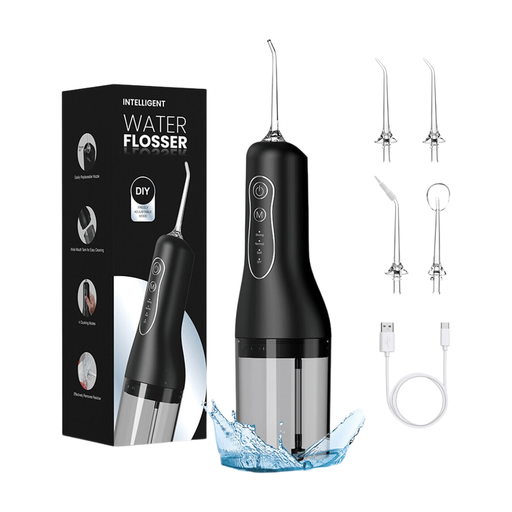
Why This Fits Their Persona: A compact option for UK shoppers trying a cordless oral irrigator without choosing a large countertop unit. Its detachable 260ml tank and Type-C charging suit everyday bathroom use and short trips.
It offers four modes, including Soft and DIY, rather than relying on one high-pressure setting. The wide tank opening is listed for easier refilling and cleaning.
60–140 PSI range, up to 50 days’ stated battery life and included standard, tongue-care and periodontal nozzles.
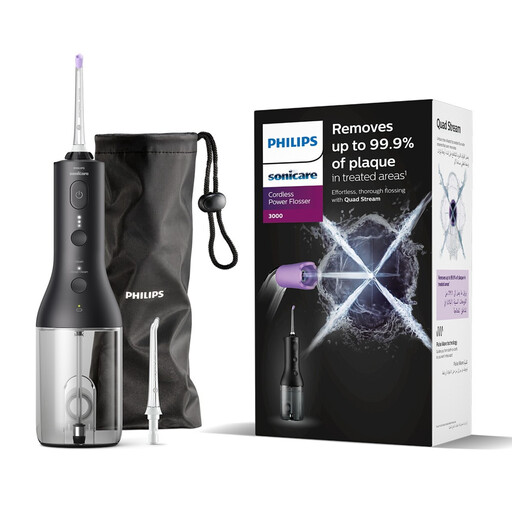
Why This Fits Their Persona: Suitable for shoppers who prioritise a familiar cordless design, guided cleaning features and a clearly specified nozzle system for regular home use.
The specification lists three intensity levels rather than only advertising maximum pressure, plus a 250ml reservoir for a complete session according to the product information.
Two flossing modes, three intensities, 360° nozzle rotation, IPX7 construction and a listed two-year manufacturer’s guarantee.
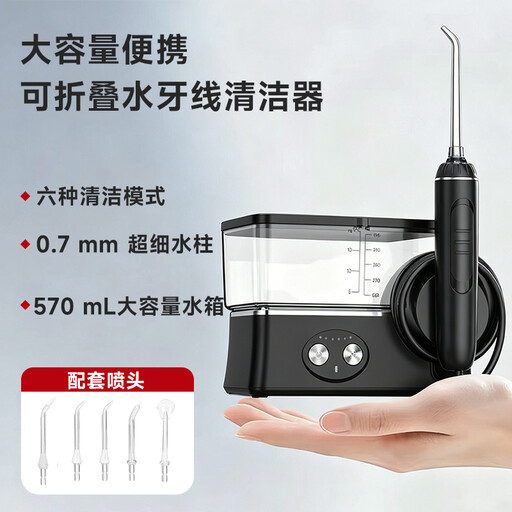
Why This Fits Their Persona: A practical match for households wanting fewer refills or users cleaning around extensive dental work, where nozzle choice and reservoir capacity are priorities.
Its six modes provide more adjustment than a single-speed device, while five spray heads give more flexibility for different cleaning routines.
The listing specifies a 570ml tank, 2,500mAh battery and IPX7 waterproof rating. Its approximately 1kg weight is worth considering before purchase.
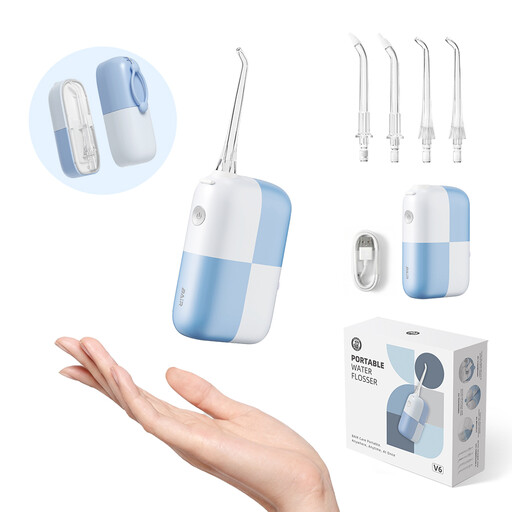
Why This Fits Their Persona: Its folding format is listed at 10cm and the main unit weighs 145g, making it suitable for a handbag, cabin luggage or compact travel kit.
The press-and-spray operation gives on-demand control, while the magnetic detachable tank and built-in tip storage address refilling and misplaced accessories.
75–80 PSI operating pressure, USB-C charging, IPX7 rating and up to 30 days of stated typical use.
A water flosser is intended to complement brushing and interdental cleaning, not replace routine dental appointments. If you have recent oral surgery, persistent bleeding, gum disease or dental implants, ask your dentist whether the device and pressure setting are appropriate.
We have compiled a complete, real-time list of products that fully satisfy these strict selection criteria and UK safety regulations.
Many models include an orthodontic nozzle and adjustable pressure, which can make cleaning around brackets and wires more manageable. Use a gentle setting initially and follow advice from your orthodontic or dental professional.
Battery duration varies with pressure, session length and frequency. Product listings commonly state between 30 and 90 days, but these are usage-dependent estimates. Battery longevity also depends on charging habits and storage conditions.
Electricity use is generally limited to recharging the built-in battery. Ongoing costs are more likely to involve replacement nozzles, and some models may require proprietary tips. Check availability and pricing before buying, particularly if several people will share the device.