
24/7 Customer Support

Free returns

Same-day & Next-day Delivery

Quality Guaranteed

Unlock Your Welcome Offers: FREE Delivery | Up to 80% OFF | Free 30-day JoyPlus trial
Download the APP
A compact appliance can make a noticeable difference to comfort in a draughty bedroom, home office or rented flat. However, choosing between portable home heaters and fans is not simply a matter of comparing wattage or counting airflow modes. Some attractive features have limited practical value, while important details such as operating noise, placement and running costs are easy to overlook.
This guide explains the main buying pitfalls, the specifications worth checking and which appliance types may suit different UK households.
A portable electric heater rated at 1.5kW or 1.8kW can provide strong heat, but it will use more electricity per hour when operating at full power than a lower-rated model. Ceramic heating elements can distribute warmth quickly, but they do not remove the basic relationship between power and electricity use.
A thermostat, timer and lower heat setting can help reduce operating time. Check whether the appliance allows automatic temperature control rather than relying only on a maximum wattage figure.
“Quiet” and “low noise” are useful descriptions, but they do not always include a stated decibel rating. A bedside fan heater may still produce audible airflow, particularly on its higher setting, while a tower fan’s sound can vary with speed.
For bedrooms and study areas, look for adjustable speed or heat levels, a timer and controls that can be used without getting up. If a product listing does not provide a measured noise level, treat quiet operation as a product description rather than a guaranteed acoustic result.
A small heater is not automatically suitable for every small footprint. It must have clear airflow around the intake and outlet, and it should not be placed next to curtains, bedding, paper or other flammable materials. Portable air conditioners also require suitable window ventilation for the hot-air hose.
Before buying, measure the available surface or floor area. A compact bedside fan heater may suit a desk or table, whereas a tower fan or mobile air conditioner needs stable floor space.
For occasional personal warmth, a compact ceramic fan heater with two heat settings may be practical. A larger room may require a higher output, but the appliance’s stated room-size guidance should be treated as a guide rather than a guarantee, as insulation, ceiling height and draughts affect performance.
A digital thermostat is more useful than a simple on/off switch because it can cycle the heater as the room approaches the selected temperature. A remote control and timer are also convenient for bedrooms and home offices.
Remember that a 1.5kW heater operating for one hour uses 1.5 kilowatt-hours. Multiply this by your electricity tariff to estimate the cost, then consider how often the thermostat may switch the element off.
For cooling, compare fan speed options, oscillation and power source. An oscillating fan can spread air across a wider section of a room, while a fixed fan may direct a stronger stream towards one person.
A DC motor, as featured in some tower fans, can offer finer speed adjustment and may use less electricity than an AC motor at comparable settings. Do not assume a specific percentage saving unless the manufacturer provides comparable test conditions.
A rechargeable mini fan with USB Type-C charging is useful for desks, bedside tables and travel. Check expected battery runtime, charging time and whether the fan can operate while connected to power.
A mobile air conditioner is different from a fan: it actively cools and usually needs a window kit or exhaust arrangement. Check the BTU rating, airflow, dehumidifying function, hose length and whether the included window mount suits your window style.
A 6,000 BTU unit may be intended for smaller indoor areas, but cooling results depend on sunlight, insulation and the room’s heat load. Also check water-full protection, timer settings and refrigerant information. R290 is a refrigerant designation, not a substitute for following the appliance’s ventilation and safety instructions.
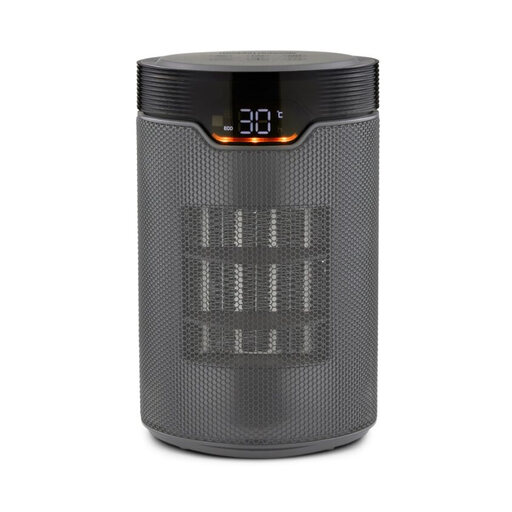
Why This Fits Their Persona: Its 28 × 18 × 18cm format suits renters, students and home workers who need targeted warmth without a large floor appliance.
Two heat settings and a digital thermostat provide more control than a basic fixed-output heater, while tip-over and overheat shut-off are specified safety features.
1.5kW ceramic heating, oscillation, LED touch controls and included remote control.
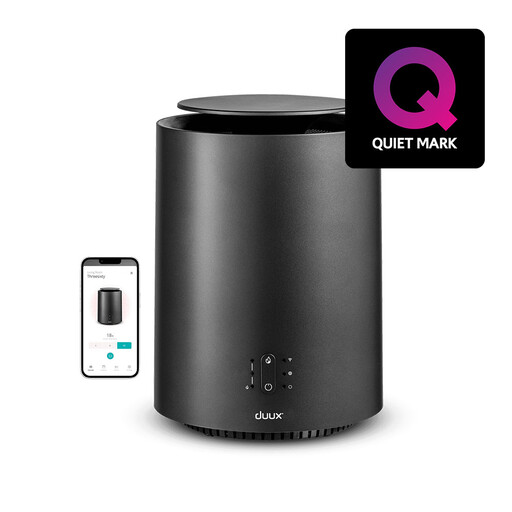
Why This Fits Their Persona: App control and 360° movement suit homeowners or office users who want scheduled heating and broad room coverage.
The digital thermostat and scheduling functions make it easier to manage operating periods instead of leaving full power running continuously.
1,800W PTC ceramic element, 360° oscillation, Wi-Fi app control and tip-over protection.
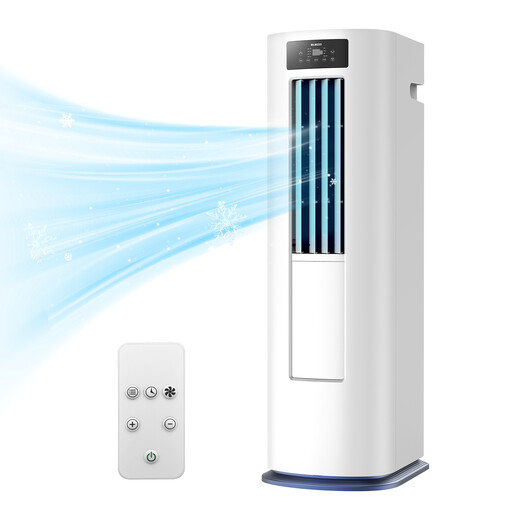
Why This Fits Their Persona: It is suited to households needing active cooling, ventilation and dehumidifying rather than airflow alone, provided a suitable window setup is available.
Its window mount kit, 24-hour timer and water-full protection address installation, scheduling and drainage considerations that are often missed.
6,000 BTU cooling, cooling/dehumidifying/fan modes, remote control and R290 refrigerant.
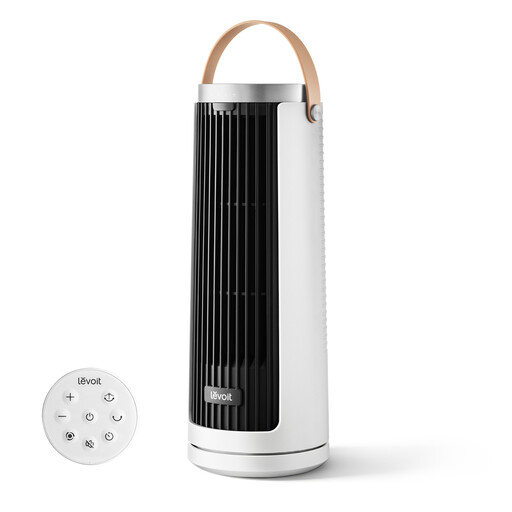
Why This Fits Their Persona: Its compact cordless design works for bedside tables, desks, rented rooms and travel where a full-size tower fan would be inconvenient.
USB Type-C charging removes dependence on a nearby mains socket, while multiple airflow modes provide more flexibility than a single-speed mini fan.
Rechargeable battery, cordless operation, Type-C charging and low-noise operation.
We have compiled a complete, real-time list of products that fully satisfy these strict selection criteria and UK safety regulations.
Before using any portable home heater, confirm that:
For fans, keep fingers and objects away from the grille, disconnect the charging cable before cleaning and avoid operating the unit near water. Do not modify or dismantle either type of appliance.
Running cost depends mainly on wattage, usage time and your electricity tariff. A 1.5kW heater uses 1.5kWh per hour at full power. Thermostatic control, lower heat settings and timers can reduce the time the heating element operates, but they do not change the appliance’s maximum rating.
Follow the manufacturer’s instructions and avoid leaving a fan heater running unattended for extended periods. Keep it clear of bedding and curtains, place it on a stable surface and use a timer where available. If the appliance smells unusual, produces smoke or becomes damaged, switch it off, unplug it and seek appropriate assistance.
A tower fan circulates air and generally uses less power than an air conditioner, making it suitable for personal airflow and ordinary warm days. A mobile air conditioner actively cools but needs window ventilation, takes more floor space and usually consumes more electricity. Choose according to the room, installation options and the level of cooling required.