
24/7 Customer Support

Free returns

Same-day & Next-day Delivery

Quality Guaranteed

Unlock Your Welcome Offers: FREE Delivery | Up to 80% OFF | Free 30-day JoyPlus trial
Download the APP
There are few things more disheartening for a home baker than a perfect-looking cake that refuses to leave its tin, or a beautiful loaf that crumbles upon release. Traditional metal bakeware can be prone to rust, scratches and stubborn baked-on residue that makes cleanup a chore. If these frustrations sound familiar, it might be time to consider a modern alternative.
Silicone bakeware has become a staple in many UK kitchens for good reason. It offers a remarkable combination of flexibility, durability and non-stick performance that simplifies the entire baking process, from oven to cleanup. This article will guide you through the key features to consider when choosing silicone pieces and present a few of our top recommendations to help you achieve flawless results with less fuss.
Navigating the options can be straightforward if you know what to prioritise. Here are a few practical points to keep in mind.
The most important factor is the quality of the silicone itself. Look for items made from 100% food-grade silicone, which is stable, non-toxic and safe for cooking. A key advantage is its performance as oven safe bakeware. Check the product's maximum recommended temperature—most quality moulds can withstand heat up to 230°C (450°F), which covers the vast majority of home baking recipes.
The signature feature of silicone is its flexibility, which allows you to gently peel the mould away from your bakes. This makes it an ideal material for a flexible loaf tin or intricate cake moulds. However, it shouldn't be so floppy that it collapses under the weight of the batter. Well-designed silicone baking moulds often have reinforced rims or integrated handles for better stability. A useful tip is to always place your silicone mould on a solid baking sheet before filling and transferring it to the oven.
One of the main draws of silicone is its naturally non-stick bakeware surface. This property means that in most cases, you can skip greasing and flouring the tin, saving time and ingredients. This also makes for an incredibly easy clean pie dish or muffin tray. Most silicone items are dishwasher safe, and even when hand-washing, a quick rinse with warm, soapy water is usually all that is needed.
Based on functionality, durability and user convenience, here are a few standout options for your kitchen.
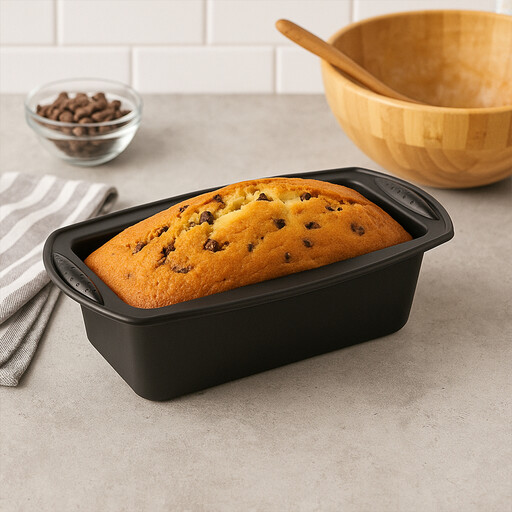
Why It Stands Out: This mould takes the classic 2lb loaf tin and updates it with the convenience of silicone. Its impressive flexibility ensures that your loaves, from sourdough to banana bread, release cleanly without losing their shape. Its versatility is another key feature, as it is safe for use in the oven, microwave and freezer.
Pros:
Who is it for?: An excellent choice for anyone who regularly bakes bread, loaf cakes or even meatloaf and wants a reliable, no-fuss alternative to a traditional metal tin.
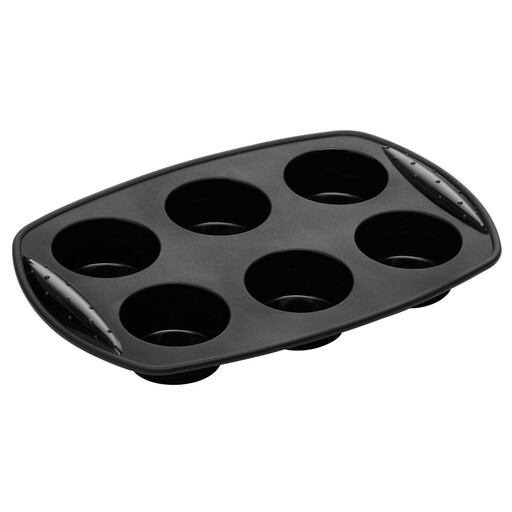
Why It Stands Out: This silicone muffin tray is designed for practicality. It produces six uniform muffins or cupcakes that pop out with ease, thanks to the flexible cups. A thoughtful design feature is the inclusion of side handles, which provide a secure grip for safer handling when moving the tray in and out of a hot oven.
Pros:
Who is it for?: Ideal for families, batch bakers and anyone who enjoys making individual portions of sweet or savoury treats like cupcakes, mini quiches or breakfast egg bites.
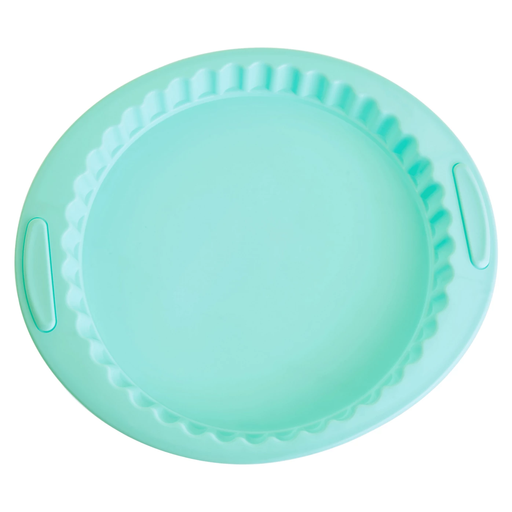
Why It Stands Out: This mould proves that practical bakeware can also be beautiful. The elegant pastel green colour and decorative fluted sides create a professional-looking finish on tarts, pies and flans. Made from food-grade silicone, it delivers even heat distribution and a premium non-stick surface for flawless release every time.
Pros:
Who is it for?: The perfect tool for bakers who appreciate aesthetics as much as performance and want to create impressive-looking desserts and savoury pies with sharp, clean edges.
While these recommendations cover some of the most popular baking needs, your culinary projects might require a different shape or size. From novelty cake moulds to simple round tins, there is a wide world of silicone bakeware to discover.
If you're searching for something specific, why not explore our full range of silicone food moulds to find the perfect addition to your collection?
1. Do you need to grease silicone bakeware? Generally, you do not. The inherent non-stick quality of food-grade silicone is one of its main advantages. However, for the first few uses or with recipes that are particularly low in fat, a light coating of oil or baking spray can provide extra peace of mind and ensure a perfect release.
2. Is silicone bakeware better than metal? Each has its own strengths. Silicone excels in non-stick performance, even heating, rapid cooling and easy storage (it can be folded or rolled up). Metal bakeware is rigid and can produce darker, crispier crusts and edges, which some bakers prefer. The choice often comes down to personal preference and the specific baking task at hand. For convenience and ease of use, silicone is an outstanding option.
3. How do you clean silicone baking moulds? Cleaning is exceptionally simple. Most high-quality silicone baking moulds are completely dishwasher safe. If washing by hand, use warm water, washing-up liquid and a soft sponge. It is important to avoid using abrasive scouring pads or sharp utensils, as these can scratch and damage the silicone surface.