
24/7 Customer Support

Free returns

Same-day & Next-day Delivery

Quality Guaranteed

Unlock Your Welcome Offers: FREE Delivery | Up to 80% OFF | Free 30-day JoyPlus trial
Download the APP
Keeping a car presentable on UK roads can be difficult. Rain, road salt, traffic film, dust and changing temperatures quickly dull paintwork, while exterior plastics and rubber trim may fade over time. Turtle Wax car wax and related Turtle Wax car care products offer several ways to clean, shine and protect a vehicle, but choosing the wrong format can waste money or create extra work.
This guide explains the main buying pitfalls, the specifications worth checking and which products suit different driving and detailing habits.
A car wash and wax product can remove surface dirt and leave a glossy finish, but it is not the same as a car polish. Polishing products may contain fine abrasives designed to improve the appearance of light marks or dull paint. Wax mainly adds a surface layer that can improve gloss and water behaviour.
If your vehicle has ingrained contamination, oxidation or visible scratches, a spray wax alone may not produce the result you expect. Wash and dry the vehicle first, then choose between an exterior car cleaner, car polish or paint protection wax according to the condition of the paintwork.
A car wax spray is convenient, but application methods and formulations vary. Some products are intended for use on a wet vehicle immediately after washing, while others are applied to a clean, dry surface. A spray wax may also be designed as a quick maintenance layer rather than a long-term coating.
Look for clear instructions and realistic wording such as “water-repellent finish” or “protective polymers”. Claims about protection lasting for a particular period should be treated as product guidance rather than a guarantee, as durability depends on weather, washing frequency, storage and preparation.
Paint wax is not automatically suitable for unpainted plastic, rubber or textured trim. Residue can collect in textured areas and leave pale marks. Conversely, a plastic shine spray may leave an unsuitable finish on steering wheels, pedals or other surfaces where slipperiness could be unsafe.
Check the stated surface compatibility before buying. Products intended for exterior trim, tyres, vinyl and interior plastics should still be applied according to their directions, with a small-area test where recommended.
For regular driveway maintenance, application time matters. A wet-use spray wax is misted onto a freshly washed vehicle before rinsing or drying. This can reduce towel work and suit drivers who want a simple routine.
A dry-use spray or liquid wax normally requires a clean, dry panel and a microfibre cloth. Paste wax takes more preparation and buffing, but some users prefer the control of applying a thin layer to individual sections.
Different ingredients provide different types of finish:
A car wax sealant such as Turtle Wax Seal N Shine combines hydrophobic sealants with natural carnauba waxes. It is intended for exterior surfaces and is applied to a wet vehicle, followed by rinsing.
A 500ml spray bottle is convenient for occasional detailing or topping up protection. Larger 1L, 2.5L or 5L bottles may offer better practical value for households with several vehicles or drivers who wash frequently. Compare the format as well as the bottle size: concentrated car wash products may require dilution, while ready-to-use sprays do not.
Also check whether an applicator, sponge or cloth is included. A paste wax with an applicator can be more convenient than a cheaper product that requires additional accessories.
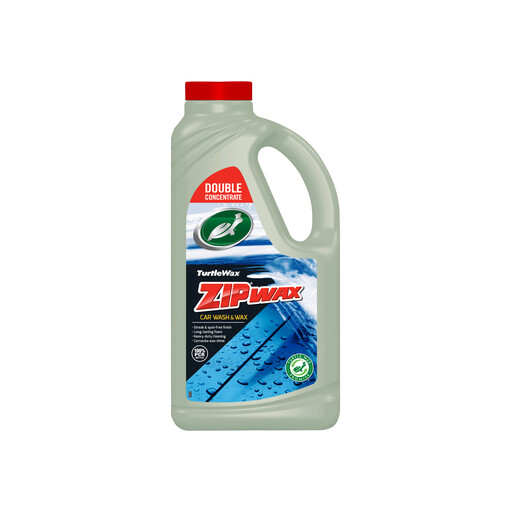
Why This Fits Their Persona: A practical starting point for UK drivers who want to wash and add shine in one routine without buying several separate products.
It is clearly positioned as a wash-and-wax concentrate, so buyers are less likely to mistake it for a dedicated scratch-removing polish.
Double-concentrated 1L format; cleans exterior dirt and leaves a wax-enriched finish.
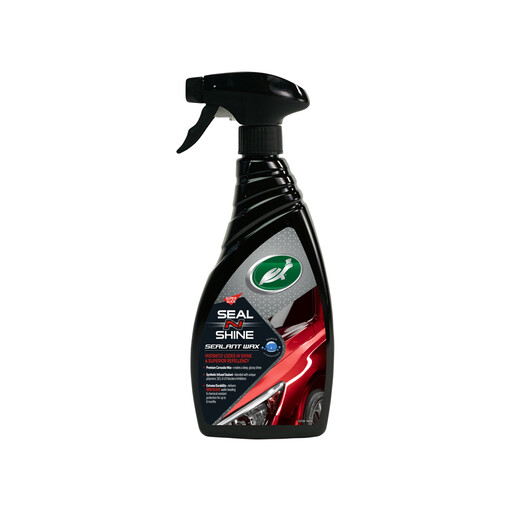
Why This Fits Their Persona: Suitable for detailers who prioritise gloss, slickness and a water-repellent finish after a careful wash.
Its wet-application instructions are specific: mist one panel at a time, rinse with a firm stream and towel-dry remaining drops.
Contains hydrophobic sealants and natural carnauba wax; designed for all exterior surfaces.
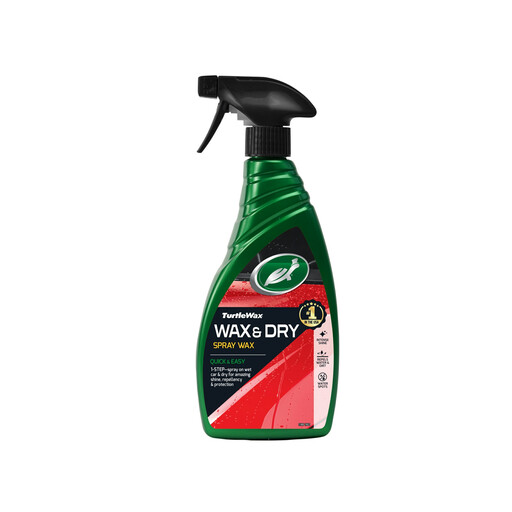
Why This Fits Their Persona: A convenient option for motorists who wash at home and want to combine drying with a quick protective step.
The instructions specify use on a freshly washed, wet car, avoiding the common mistake of applying a dry-use product to dirty paint.
500ml spray format; combines carnauba wax and protective polymers.
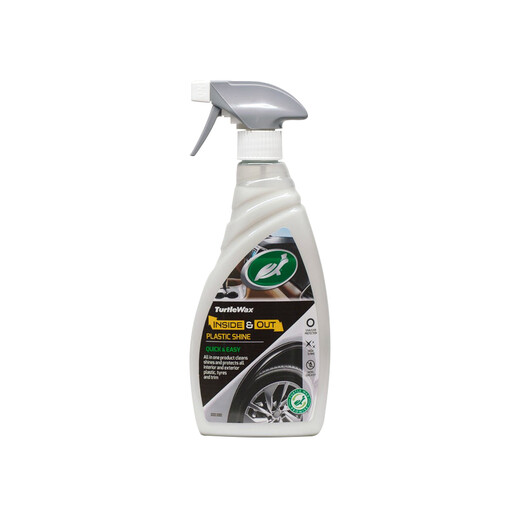
Why This Fits Their Persona: Useful for owners managing dashboards, vinyl, exterior plastics, rubber, tyres and trim as part of a wider detailing routine.
It is labelled for interior and exterior plastic, rubber and vinyl, helping separate trim care from paint waxing.
Contains UVA and UVB inhibitors; dries to a non-greasy, streak-free finish according to the product description.
We have compiled a complete, real-time list of products that fully satisfy these strict selection criteria and UK safety regulations.
Many Turtle Wax products are formulated for clear coats, metallic paintwork or all exterior finishes, but suitability varies by product. Check the label before applying it to matt paint, wraps, unpainted plastics or recently repaired panels.
Use depends on the product, weather exposure and washing routine. A spray wax can be used as a maintenance layer after washing, while a paste wax or sealant may be used less frequently. Reapply when water no longer beads as it did after the previous application, while still following the product instructions.
It can remove everyday dirt and add surface gloss, but it is not a substitute for decontamination, polishing or paint correction. For heavily marked or oxidised paint, prepare the surface first and choose a suitable car polish before applying paint protection wax.