Families who watch in a darkened room
You can control the lighting when replaying family recordings and put particular weight on contrast, colour and detail in darker scenes.


For family videos watched mainly in a dim room, consider an OLED TV for the contrast features described on specific models. If daylight reflections are the bigger concern, compare Mini LED or RGB LED models with stated glare-handling features instead. Whichever route you take, check how you will play your recordings, where the TV will stand or hang, and which HDMI socket supports eARC if you plan to add a soundbar or receiver.
You can control the lighting when replaying family recordings and put particular weight on contrast, colour and detail in darker scenes.
The TV also serves a daytime living room, where windows or overhead lights can create distracting reflections.
You expect to connect a soundbar or AV receiver, use several video sources, or wall-mount the TV, so connections and supplied accessories affect the choice.
Start with the light where the TV will sit, then work through your recordings, audio connections and installation. A display feature is useful only if the exact TV also fits the way your family will watch.
| Concern | What to check | Who this matters to |
|---|---|---|
| Picture in a dim room | Check whether you can control the room light and compare picture modes on the exact model. LG UK describes pixel-level blacks for its OLED G5; Panasonic UK describes a four-layer OLED panel for the TV-65Z95B. | If I usually dim the room for indoor family footage, contrast and colour matter more to me than daytime glare handling. Around 29% of consumers put this dark-room picture need first. |
| Daytime reflections | Assess the proposed screen position when you normally watch. Check glare-related claims for the exact model: Samsung describes its QN90F Mini LED TV as Glare Free, not every Mini LED TV. | When family viewing happens beside bright windows, I want to keep reflections from distracting us. Roughly 29% of consumers make bright-room visibility their primary concern. |
| Sound connections | If adding a soundbar or receiver, confirm eARC compatibility on both devices and identify the designated HDMI socket. Sony UK says supported inputs vary by TV model. | I want everyone watching together to follow the sound and may add a separate audio system. For around 21% of consumers, sound and its connection take priority. |
| Recordings and placement | Check the ports and supported formats for your intended playback device or files. Confirm the selected size, stand or wall-mount arrangement and supplied accessories. | If my collection mixes older recordings with phone clips, I need a workable way to play them and a TV that fits its intended position. About 21% of consumers put source playback and physical setup first. |
An OLED model chosen for dark-room contrast may not address reflections where the family usually watches during the day. Samsung's glare-reduction claim, for example, applies to the named QN90F model.
Look at the proposed TV position at your usual viewing time, then compare the exact models you are considering.
Sony UK notes that eARC support depends on the TV model and designated input. A socket without that support may not serve the planned soundbar or receiver connection.
Identify the eARC socket in the exact TV manual and check compatibility with the audio device before installation.
A wall-mount-oriented variant may have a different stand arrangement from another version of the TV.
Confirm the exact variant, supplied stand or bracket, wall suitability and installation scope before ordering.
Professional installation and cable routing may need separate arrangements.
Upscaling processes a recording for display; it cannot recreate detail absent from the original clip.
Try representative recordings from your collection where possible, and check that your intended playback method works with the TV.
These brands provide examples of different TV and setup approaches; the features described belong to the named product lines, not every TV carrying the brand.
The OLED G5 range is relevant to a controlled-light, wall-mount-oriented viewing setup.
The QN90F Mini LED series is a reference point when a shared room's reflections matter.
The TV-65Z95B is an OLED option for a home-cinema setup that also calls for integrated TV sound.
BRAVIA 9 II provides an RGB LED reference for a larger-screen setup with planned audio connections.
These OLED and Mini LED TV choices relate to the room-light and playback decisions above. Compare each screen size with your space, and confirm file playback and connection details for the exact model you choose.
 No image available
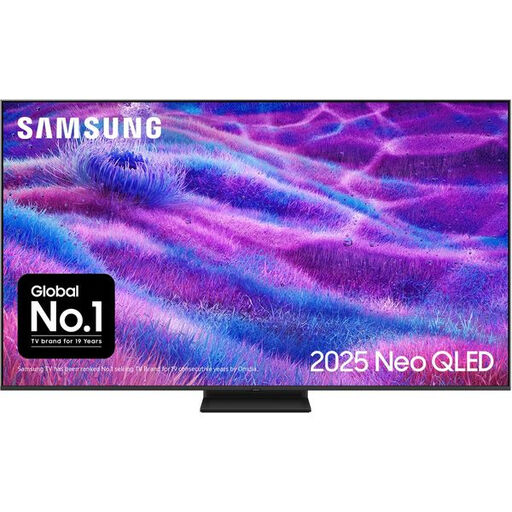
Consider this OLED model if you can dim the room and have space for an 83-inch screen. Check your seating distance, how you will play family-video files and the designated audio connection before settling on this size.
 No image available
This 65-inch model is a choice to assess for a shared family room. Check reflection handling for the QE65QN80FAU itself rather than transferring Samsung's QN90F glare claim to it; also confirm playback formats and the socket needed for your audio setup.
 No image available
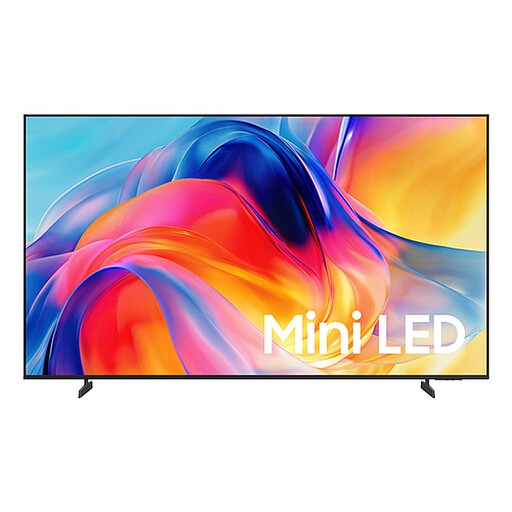
The 55-inch Mini LED format is worth assessing if that screen size suits your room and you often watch in shared living space. Check reflection handling, your recordings' playback route, audio-device compatibility and what installation accessories come with this variant.
 No image available
Consider this 65-inch Mini LED TV if you are comparing screens for a room used at different times of day. Assess reflections where it will sit, then confirm compatibility with your video files and the correct port for any planned soundbar or receiver.
 No image available
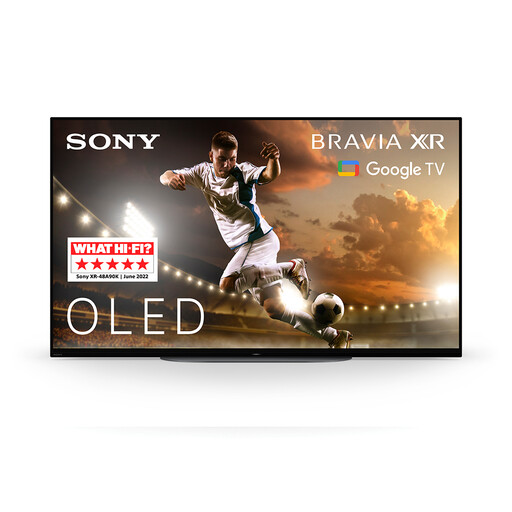
This 48-inch OLED model is an option for controlled-light viewing where a smaller screen fits the seating arrangement. Google Cast is named in the product title; confirm that your intended casting or local-file method works, along with the audio and mounting arrangements you need.
Owning a TV to play family recordings is not itself a trigger listed by TV Licensing. Its guidance says you need to be covered if you watch or record live TV on any service, or use BBC iPlayer; check the current guidance if your household will use the TV for either.
Not automatically: the soundbar or receiver must be compatible, and the connection must use the TV's supported HDMI socket. Sony UK notes that eARC support varies by model and input, so check both devices before fitting the TV in place.
No: upscaling can process lower-resolution footage for display but cannot restore detail that was never captured. Samsung describes 4K upscaling for its QN90F; if possible, view clips like your own when assessing a TV.
Check the exact variant's supplied stand or bracket, mounting compatibility, wall construction and cable route. A Joybuy listing describes the LG OLED55G45LW as primarily intended for wall mounting without a stand, illustrating why the contents of the particular model matter.
Use a local authority or retailer electrical-equipment recycling or take-back route available in your area. GOV.UK describes the UK waste electrical and electronic equipment framework as intended to encourage recovery, reuse and recycling rather than landfill disposal.