
24/7 Customer Support

Free returns

Same-day & Next-day Delivery

Quality Guaranteed

Unlock Your Welcome Offers: FREE Delivery | Up to 80% OFF | Free 30-day JoyPlus trial
Download the APP
As more of our devices, from the iPhone 15 to the latest Android phones and laptops, standardise on the USB-C port, the search for a compatible pair of headphones has become a common task. However, the market is filled with options that can be confusing. Many consumers find themselves with headphones that are incompatible, uncomfortable or simply don't live up to their promises.
As a Product Recommendation Officer at Joybuy, my role is to help you navigate this landscape. This guide cuts through the marketing clutter to focus on what truly matters, helping you avoid the common pitfalls and find a pair of USB-C headphones that genuinely meets your needs.
Before you add any pair to your basket, be aware of these frequent issues that lead to buyer's remorse:
To make an informed choice, focus on these three non-negotiable parameters.
Your first decision is how you want to connect. This choice impacts convenience, audio quality and what you need to carry.
If you plan to take calls or join online meetings, the microphone is as important as the speakers. A basic in-line microphone is sufficient for occasional calls, but for professional use, look for a USB-C headset with a microphone that features dedicated noise-cancelling technology. These systems use multiple microphones to isolate your voice from background noise, ensuring you are heard clearly whether you are in a busy office or a noisy café.
The style of the headphones affects comfort, portability and sound isolation.
Based on these practical criteria, we have matched several products to different user needs. These recommendations are chosen for their clear specifications and ability to solve common user problems.
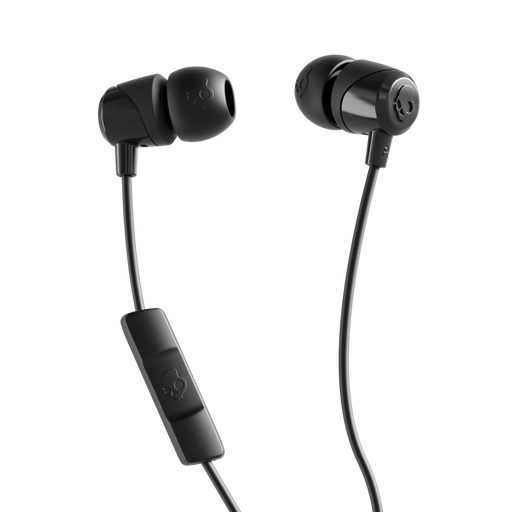
Why This Fits Their Persona: For those who need a simple, reliable audio solution without the fuss of batteries or pairing. It's a straightforward choice for daily commutes, listening to podcasts or as a dependable backup pair for a laptop bag.
It avoids the compatibility and noise-cancellation traps by being honest. It's a plug-and-play wired earbud with a noise-isolating fit (passive), not over-promising on complex features.
Direct USB-C connectivity means no charging is ever required. The in-line microphone and remote provide essential call and track control without complexity.
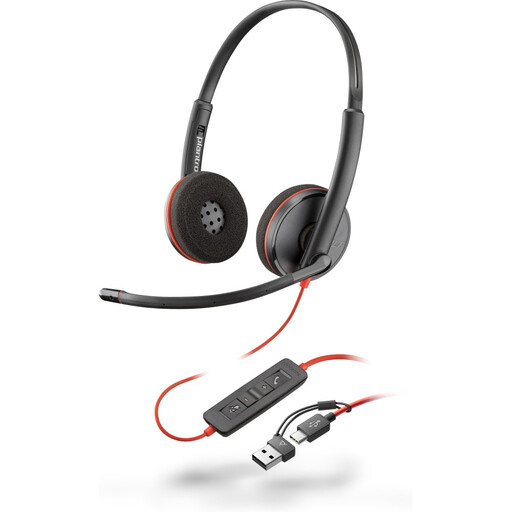
Why This Fits Their Persona: Designed for hybrid and remote workers who spend hours on calls. It prioritises call clarity, long-wear comfort and reliable connectivity for professional communication platforms like Teams and Zoom.
It clearly specifies that its noise-cancelling feature is for the microphone, not for listening. This avoids the vague ANC trap by focusing on its primary purpose: making your voice clear to others. The included USB-A adapter solves compatibility issues with older hardware.
Professional-grade call clarity and versatile connectivity. Its lightweight design and on-ear controls are built for all-day productivity.
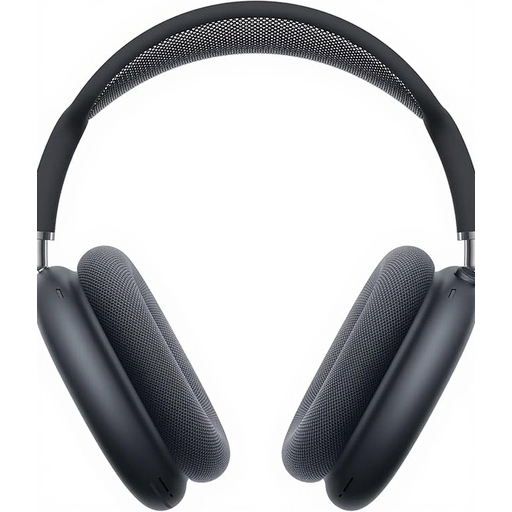
Why This Fits Their Persona: For the user who wants a top-tier audio experience, seamless integration with their devices and a premium design. Ideal for audiophiles, frequent flyers and anyone deeply invested in the Apple ecosystem.
This model delivers on its high-end claims. The Active Noise Cancellation is a benchmark in the industry, not a vague promise. The build quality, using aluminium and stainless steel, directly counters the fragile design trap seen in cheaper models.
Offers high-fidelity audio with effective ANC and Transparency modes. Features like Personalised Spatial Audio create an immersive, cinema-like sound experience.
We have compiled a complete, real-time list of products that fully satisfy these strict selection criteria and UK safety regulations.
1. Are all USB-C headphones compatible with the iPhone 15? Yes, the iPhone 15 series features a USB-C port that supports DisplayPort for video and has full audio accessory support. This means both earphones for iPhone 15 with a wired USB-C connection and wireless headphones that use headphones with USB-C charging will work seamlessly.
2. Do wired USB-C headphones sound better than Bluetooth ones? A wired connection can transmit uncompressed, lossless audio, which technically offers higher fidelity than the compressed audio sent over Bluetooth. For a discerning listener, a high-quality pair of wired USB-C earbuds with a good internal DAC will likely provide a superior audio experience with zero latency. However, modern Bluetooth codecs have improved significantly, making wireless options more than suitable for everyday listening.
3. How long should I expect my USB-C headphones to last? The lifespan depends heavily on build quality and use. For wired models, look for durable materials and reinforced cable joints to prevent fraying, which is the most common point of failure. For wireless models, the lithium-ion battery is the main component that degrades, typically holding a good charge for 2-4 years of regular use. Proper care and storage will always extend the life of your headphones.