
24/7 Customer Support

Free returns

Same-day & Next-day Delivery

Quality Guaranteed

Unlock Your Welcome Offers: FREE Delivery | Up to 80% OFF | Free 30-day JoyPlus trial
Download the APP
By Joybuy Product Recommendation Officer
For many people in the UK, choosing vitamin D supplements is less straightforward than it appears. Shelves and online listings include vitamin D2, vitamin D3 capsules, combination formulas, vegan options and doses ranging from 10 µg to 100 µg. A larger number on the label does not automatically make a product more suitable for everyday use.
The main question is not simply “Which supplement is strongest?” It is: What dose, format and ingredient profile fit your routine without unnecessary duplication?
A product labelled 4000 IU vitamin D3 contains 100 µg, which is a high-strength amount. In the UK, 4000 IU is also the adult upper limit commonly referenced for daily intake from all sources, unless a healthcare professional advises otherwise. It should not be selected casually alongside a multivitamin, fortified food or another vitamin D product.
For general seasonal supplementation, UK guidance commonly refers to 10 µg (400 IU) daily for adults during autumn and winter. People who have little or no sunlight exposure, cover most of their skin, live in a care home or have darker skin may be advised to consider supplementation throughout the year. Ask a GP or pharmacist if you are unsure.
IU and micrograms measure the same nutrient in different ways. For vitamin D:
Always compare the µg per serving, not just the marketing phrase “high potency”. Also check whether the serving is one capsule, two softgels or one liquid sachet.
Omega-3 and vitamin D supplements may be convenient, but they are not interchangeable with a standalone vitamin D product. A fish-oil formula may contain gelatine and fish allergens, while a vegan vitamin D3 product may use lichen or algae as its source.
Check the complete ingredient list for fish, gelatine, coconut, soya, allergens and added vitamins. If you already take omega-3, vitamin D or a multivitamin, calculate your combined daily intake before ordering.
Most products in this selection use vitamin D3 (cholecalciferol). It is the form listed on labels for contributing to the maintenance of normal bones, teeth and muscle function and to the normal function of the immune system.
People following plant-based diets should look for a clearly stated source. Vitamin D3 may be derived from lichen or algae, while vegetarian capsules do not always mean the vitamin itself is plant-derived. Read the product description and packaging rather than relying on the word “vegan” in a headline.
For vitamin D supplements for adults, dose selection should reflect intended use:
Pregnant or breastfeeding people, adults taking medication and anyone with a medical condition should seek advice from a GP, pharmacist or other qualified healthcare professional before starting a supplement.
Capsules and tablets are convenient for a fixed daily routine. Softgels often contain an oil-based formula, while liquid sachets can suit people who dislike swallowing capsules. Vitamin D is fat-soluble, so many labels recommend taking it with food; follow the specific instructions supplied with the product.
Pack size also affects value. A 30-capsule pack generally represents one month at one capsule daily, while a 90- or 120-capsule pack may reduce how often you need to reorder. Compare cost per daily serving, not just the price of the bottle.
The following options are grouped by practical shopping profile rather than ranked. Check the current label, dosage and availability before purchase, as formulations and packaging can change.
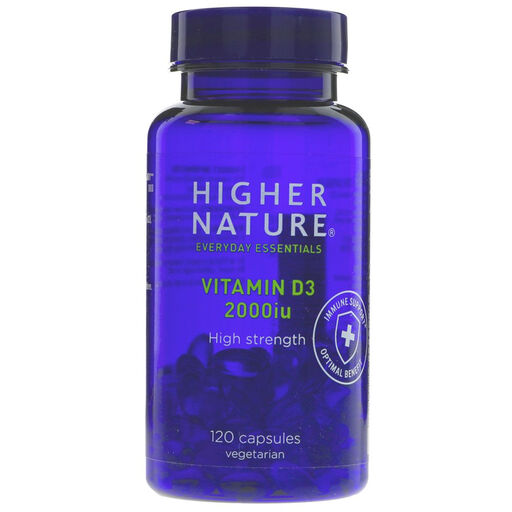
Why This Fits Their Persona: A 120-capsule vegetarian format provides a practical longer-term supply for adults who prefer a single capsule routine.
The listing states 50 µg (2000 IU) per tablet, making the strength easier to compare than vague “maximum potency” wording.
Vegetarian tablets; free from artificial preservatives, colours and flavourings according to the supplied product information.
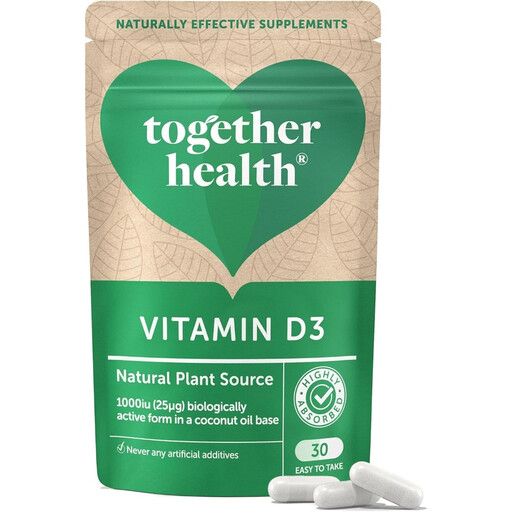
Why This Fits Their Persona: The formula is designed for vegans and vegetarians seeking plant-source vitamin D3 rather than fish-based softgels.
It identifies lichen as the vitamin D3 source and lists a vegetable cellulose capsule, helping avoid unclear “plant-friendly” claims.
Provides 25 µg (1000 IU) per capsule; uses coconut oil in the listed formulation.
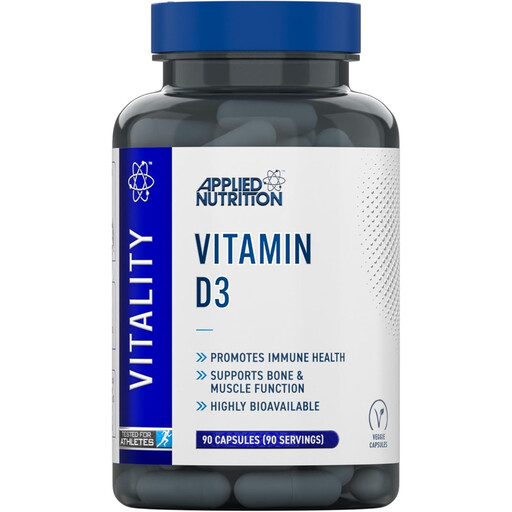
Why This Fits Their Persona: Adults specifically comparing 3000 IU vitamin D3 capsules may value the stated dose, 90-capsule pack and vegetarian suitability.
The label states 75 µg (3000 IU) per serving and gives a clear one-capsule daily direction, rather than hiding the serving size.
Vegetarian and Halal certified according to the supplied details; 90 capsules provide 90 servings.
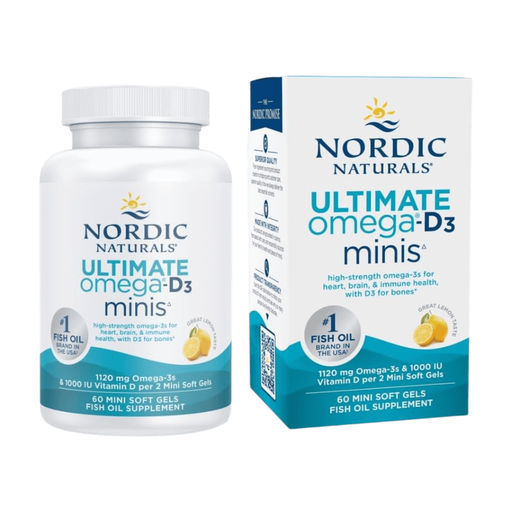
Why This Fits Their Persona: Suitable for adults who want omega-3 and vitamin D in one lemon-flavoured softgel routine and are comfortable with a fish-derived formula.
The serving is clearly stated as two softgels, supplying 25 µg (1000 IU) vitamin D3 and 1120 mg total omega-3s.
Mini softgels; natural lemon flavour; contains EPA and DHA, with fish clearly identified as an allergen.
We have compiled a complete, real-time list of products that fully satisfy these strict selection criteria and UK safety regulations.
The physical shelf life varies by product and is printed on the packaging. Once opened, follow the storage instructions carefully. A 30-capsule pack lasts approximately 30 days when the direction is one capsule daily; a 90-capsule pack lasts approximately three months at the same serving.
No. High-strength products such as 3000 IU or 4000 IU vitamin D3 should not be treated as automatically suitable for routine use. People who are pregnant or breastfeeding, under 18, taking medication or managing a medical condition should seek professional advice before use.
Combination products can be convenient, but check the total intake across every supplement. Omega-3 products may contain fish and gelatine, while multivitamins may already include vitamin D. Read each label and ask a pharmacist if you are uncertain.