
24/7 Customer Support

Free returns

Same-day & Next-day Delivery

Quality Guaranteed

Unlock Your Welcome Offers: FREE Delivery | Up to 80% OFF | Free 30-day JoyPlus trial
Download the APP
As a cyclist in the UK, you know that "unpredictable weather" is just another way of saying "it will probably rain". Investing in reliable, all-weather cycling equipment isn't a luxury; it's a necessity. Yet, the market is flooded with gear that promises the world but fails during the first proper downpour. Many of us have learned the hard way, arriving at our destination with a soggy laptop or a water-damaged gadget.
Before you spend another pound, let's look at the common pitfalls that lead to buyer's remorse. Understanding these helps you sidestep the marketing hype and choose gear that truly performs.
To make an informed choice, you need to look past the flashy advertisements and focus on a few core specifications. These are the non-negotiable details that determine whether your gear will survive a British cycling season.
The Ingress Protection (IP) rating is the most reliable indicator of how well a device is sealed against water. It is a two-digit code, but for cycling, the second digit is what matters most.
For bags and panniers, the construction method is just as important as the material. A waterproof bike pannier made from durable PVC tarpaulin is a great start, but if the seams are stitched, they create thousands of tiny holes for water to penetrate over time. Look for products that use high-frequency welded seams, which fuse the material together to create a completely watertight bond. This is a hallmark of high-quality, durable cycle touring gear.
Stated battery life is almost always based on ideal lab conditions. Cold weather significantly reduces the efficiency of lithium-ion batteries. When choosing electronic commuter bike accessories, look for a generous battery capacity or options for external power. Furthermore, consider the controls. Physical buttons are far more reliable and easier to operate with gloves on than touchscreens, a crucial factor during a cold and wet winter ride.
Based on these practical criteria, we have identified a few items that match the needs of specific UK cyclists.
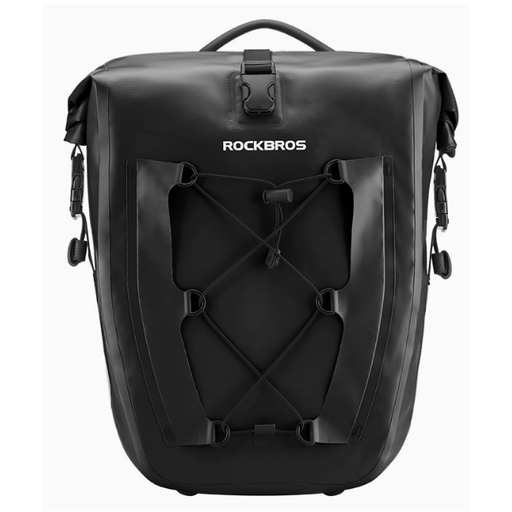
Why This Fits Their Persona: The daily commuter needs to transport a laptop, documents and a change of clothes with absolute certainty they will arrive dry. This pannier's large capacity and robust, no-fuss design are built for the daily grind, whatever the weather forecast says.
It sidesteps the "water-resistant" trap by using fully waterproof PVC material combined with high-frequency welded seams, which are far superior to stitched seams that can leak over time.
A generous 30L capacity and a simple, effective roll-top closure system provide reliable waterproofing and ample space for all your commuting essentials.
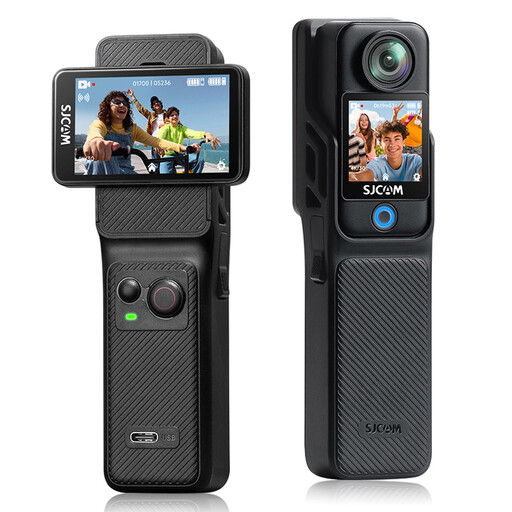
Why This Fits Their Persona: This user wants a complete bike vlogging kit without the fuss. They need a reliable 4K action camera for cycling that delivers smooth footage and has the battery to last through a long scenic ride, rain or shine.
It includes a dedicated 30m waterproof case, providing true protection rather than a mere splash-proof body. The auxiliary battery handle directly counters the pitfall of poor battery performance in cold UK weather.
Features 6-axis gyro stabilisation for smooth video on bumpy roads and an extended battery life of up to 437 minutes (at 4K/30fps) with the handle, ensuring you capture the whole journey.
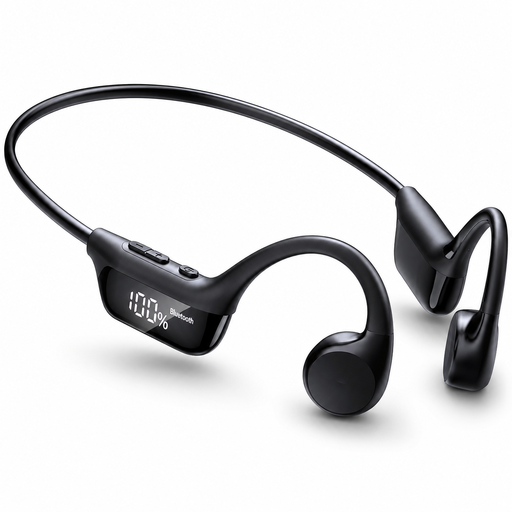
Why This Fits Their Persona: For those on long-distance tours, situational awareness is paramount. These open ear headphones for cycling allow the rider to enjoy audio for navigation or entertainment while keeping their ears open to traffic and environmental sounds.
Unlike many "sport" headphones that are merely sweat-resistant (IPX4), these boast an IPX7 waterproof rating. This means they can handle sustained, heavy rain without any risk of damage, making them truly all-weather reliable.
The bone conduction technology is the main benefit, delivering audio without blocking the ear canal. This significantly enhances safety by improving awareness of your surroundings.
We have compiled a complete, real-time list of products that fully satisfy these strict selection criteria and UK safety regulations.
Proper care is simple but crucial. After a wet ride, always wipe down electronics and bags with a clean, dry cloth. Allow bags and panniers to air dry completely before storing them to prevent mould or mildew. For electronics, ensure charging port covers are clean and securely closed before your next ride. Avoid storing gear in direct sunlight for prolonged periods, as UV rays can degrade waterproof coatings and materials over time.
Not necessarily. While a higher number indicates better water protection, it can be overkill for some applications. For example, an IPX8 rating is for continuous submersion, which is not a typical cycling scenario. For most exposed cycling gear like cameras, lights and panniers, an IPX6 or IPX7 rating offers more than enough protection for the heaviest UK downpours. Focusing on a suitable rating like IPX6/7 ensures you are not paying for a level of waterproofing you do not need.
Traditional headphones and earbuds block the ear canal, isolating you from your surroundings. This can be dangerous when cycling, as you may not hear approaching vehicles, emergency sirens or other cyclists. Bone conduction headphones sit on your cheekbones and transmit sound vibrations directly to your inner ear, leaving your ear canals completely open. This allows you to listen to music or navigation while maintaining full situational awareness, making them a much safer choice for riding on busy roads.