
24/7 全天候客户支持

免费退货

当日/次日达

品质保障

开启新人专享福利: 全场免邮 | 低至 2 折 | 免费试用 30 天 JoyPlus 会员
下载 Joybuy
Choosing a whey protein powder should be straightforward: compare protein per serving, check the ingredients and select a flavour you will actually enjoy drinking. However, product pages often emphasise impressive-sounding claims while leaving out details that affect value, suitability and everyday use.
Whether you want a post-workout protein, a low-calorie shake for a cutting diet or a convenient way to increase daily protein intake, the following checks can help you avoid common buying mistakes.
A 1.8kg container may appear more economical than a 1kg tub, but the useful comparison is cost per serving and grams of protein per serving. Serving sizes differ between products, and a lower-priced powder may contain more flavouring, carbohydrate or other ingredients.
Check the nutrition panel rather than relying on the pack size alone. For example, the Applied Nutrition ISO-XP products listed here provide approximately 22.4–22.5g of protein per 25g serving, while the clear whey options provide around 21.27g per 25g serving.
Whey protein isolate is filtered to contain a high proportion of protein, but the final nutritional profile still varies by flavour and recipe. Cocoa powder, sweeteners and flavourings can affect carbohydrates, sugars, fat and calories.
A suitable low sugar protein powder should be judged by its actual nutrition panel. Several ISO-XP flavours provide around 89–93 calories per 25g serving, with approximately 0.09–0.4g of carbohydrate and 0.09–0.2g of sugar, depending on the flavour.
Traditional whey produces a milky shake, while clear whey protein is designed to mix into a lighter, fruit-drink-style beverage. Neither format is automatically suitable for everyone. If you dislike thick shakes, a standard powder may remain unused; if you prefer a creamy breakfast drink, clear whey may not meet your expectations.
Also consider mixing instructions. Clear whey products generally require more water—often 200–400ml per scoop—and may need a short settling period after shaking because of foaming.
Look for the protein amount per serving, not just the percentage printed on the front of the pack. ISO-XP products in this selection provide about 90g of protein per 100g, with individual flavours ranging from approximately 89.7g to 90g per 100g.
A clear whey formula may show a lower percentage by weight because it includes acids, flavourings and sweeteners. Applied Nutrition Clear Whey lists 85.06g protein per 100g, or 21.27g per 25g serving.
Processing does not remove the need to assess the complete ingredient list. These products contain milk, so people with a milk allergy should avoid them. Some ISO-XP products may also contain or come into contact with other allergens, as stated on the label.
For a low calorie protein shake, compare calories alongside protein. Applied Nutrition Clear Whey provides 90 calories, 1.01g carbohydrate and 0.24g sugar per 25g serving. ISO-XP Chocolate, Vanilla, Banana and Chocolate Dessert varieties provide approximately 89–92 calories per serving, depending on flavour.
If you are considering a product with added ingredients, check what they contribute. PhD Clear Whey + Collagen includes 25g protein, 5g bovine collagen hydrolysate and 100mg vitamin C per 30g serving. This is a different type of formula from a straightforward whey isolate and should be selected for its specific composition.
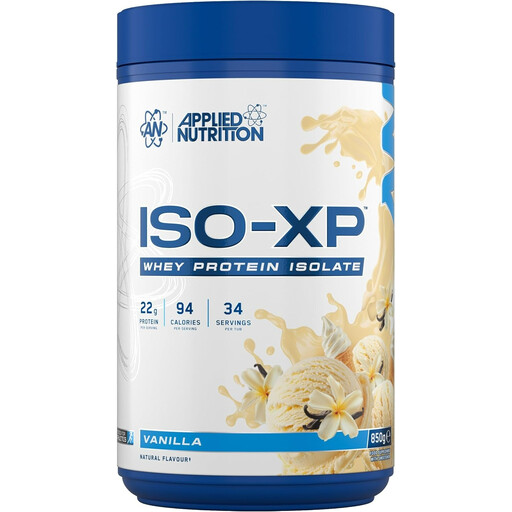
Why This Fits Their Persona: A practical 1kg format for gym newcomers who want a concentrated whey isolate without committing to a larger tub. Vanilla can also be used in porridge, yoghurt or smoothies.
The label provides clear per-serving figures: 22.5g protein, 89 calories, 0.09g carbohydrate and 0.09g sugar per 25g serving.
Whey protein isolate, sunflower lecithin and a 25g serving size; suitable for mixing with water or skimmed milk.
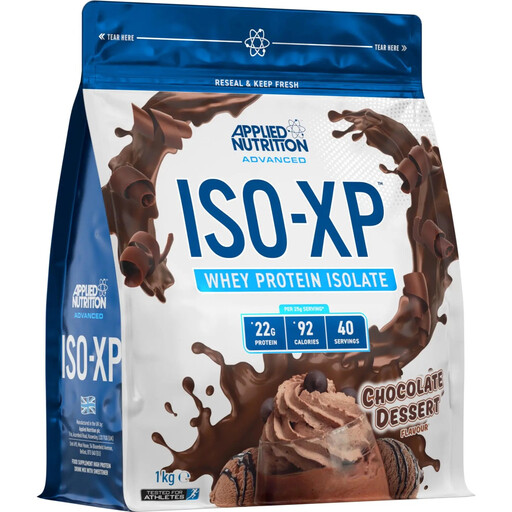
Why This Fits Their Persona: Suits users prioritising a high-protein, low-macro recipe for structured bodybuilding, athletic training or lean muscle maintenance.
It states 22.5g protein and 92 calories per serving, alongside 0.1g carbohydrate and 0.09g sugar, rather than relying only on front-of-pack language.
90g protein per 100g and instantised with sunflower lecithin for convenient shaker preparation.
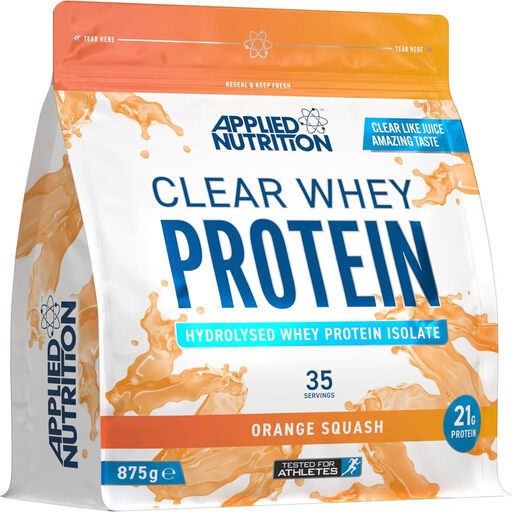
Why This Fits Their Persona: Suitable for regular gym users who prefer a refreshing drink and want a larger 875g format for repeated post-workout or daily use.
The nutrition panel identifies 21.27g protein, 90 calories, 1.01g carbohydrate and 0.24g sugar per 25g serving.
Uses 95% hydrolysed whey protein and provides 4,874mg BCAAs per 25g serving in a clear, fruit-style format.
We have compiled a complete, real-time list of products that fully satisfy these strict selection criteria and UK safety regulations.
For most listed products, one level scoop is approximately 25g, mixed with cold water. ISO-XP generally uses around 200–250ml, while clear whey may require 300–400ml for a lighter drink. Follow the product label rather than assuming every powder uses the same ratio.
Store the tub in a cool, dry place away from heat, sunlight and moisture, and keep the lid closed between uses. Do not exceed the stated daily serving. Food supplements should complement—not replace—a varied, balanced diet.
For healthy adults, it can be a convenient way to contribute to daily protein intake when used according to the label. Your total protein needs depend on your diet, activity and personal circumstances. Check with a healthcare professional if you are pregnant, breastfeeding, taking medication or have a medical condition.
Clear whey is formulated to create a fruit-drink-style texture rather than a creamy shake. It may suit people who find traditional milk-based drinks too heavy, although flavour preference is personal. Shake with the recommended amount of cold water and allow foam to settle if necessary.
Divide the total powder weight by the serving size. A 1kg tub used at one 25g serving daily provides approximately 40 servings, while an 875g tub provides approximately 35 servings. Actual usage depends on the number of servings taken and the product’s recommended maximum.