
24/7 全天候客户支持

免费退货

当日/次日达

品质保障

开启新人专享福利: 全场免邮 | 低至 2 折 | 免费试用 30 天 JoyPlus 会员
下载 Joybuy
Choosing women's health supplements can seem straightforward until you compare multivitamin strengths, life-stage formulas, dietary claims and dosage instructions. A colourful label may promise energy, hormonal balance or immune support, but those phrases do not always tell you whether a product fits your diet, age or existing routine.
This guide explains the practical checks to make before buying women's multivitamins, women's daily vitamins, prenatal products or specialised supplements.
A supplement containing many vitamins is not automatically suitable for every woman. An adult taking a general multivitamin has different requirements from someone who is pregnant, breastfeeding, following a vegan diet or looking for women over 50 vitamins.
Check whether the product is specifically intended for:
For example, prenatal vitamins normally need particular attention to folate, iron, iodine and vitamin D. A general women’s multivitamin should not automatically replace prenatal vitamins.
Always read the ingredient and allergen panels. A product may use plant-based capsules but still contain fish oil, fish collagen, soya or other animal-derived ingredients.
Novomins Women’s Multivitamin Gummies are described as vegan, halal, gluten free and dairy free, but the listed ingredients include fish collagen. This is a useful reminder to check the full label rather than relying only on front-of-pack wording. Similarly, fish-based omega-3 products are unsuitable for people avoiding fish, while some capsules may contain gelatine.
Taking a multivitamin alongside separate iron, vitamin D, omega-3 or menopause supplements can increase total intake unnecessarily. Compare the full nutrition panels before combining products, particularly where formulas contain higher amounts of vitamins B6, A, D, E or minerals such as selenium and iron.
Food supplements are not substitutes for a varied diet. If you are pregnant, breastfeeding, taking medicines or managing a health condition, seek advice from a GP, pharmacist or other qualified healthcare professional before use.
Look for the quantity per daily serving, not merely the number of ingredients. UK and European-style labels commonly show NRV percentages, helping you compare products consistently.
A formula with 23 active ingredients may contain relatively modest amounts of some nutrients, while a two- or three-tablet formula may provide much higher quantities. Check:
Higher numbers are not automatically more appropriate. The relevant question is whether the formula suits your nutritional needs and existing diet.
Gummies can be convenient if you dislike swallowing tablets, while capsules and tablets may provide a broader formula without sweeteners or flavourings. Also consider the daily commitment:
A product that fits your routine is less likely to be forgotten. Check whether it should be taken with food and whether tablets must be swallowed whole.
The words vegan women's vitamins, pregnancy multivitamins and menopause supplements describe different purchasing needs, not interchangeable categories.
Look for clearly stated information on:
For menopause or hormonal balance supplements, botanical ingredients such as red clover, dong quai, chaste tree or ashwagandha require additional caution. “Traditional use” does not mean a product is suitable for everyone.
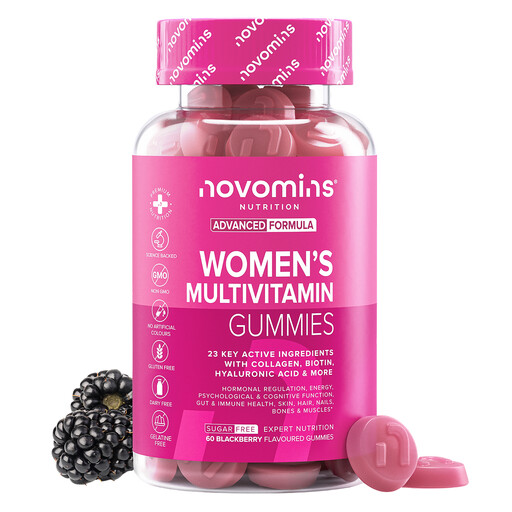
Why This Fits Their Persona: A one-month gummy format may suit shoppers starting a daily routine who prefer chewable supplements over capsules or tablets.
The serving size and one-month supply are clearly stated. However, the fish collagen means shoppers following a strictly vegan diet should not rely on the vegan wording alone.
Two gummies per day; includes vitamins A, C, D, E, K, B vitamins, zinc, iodine and selenium.
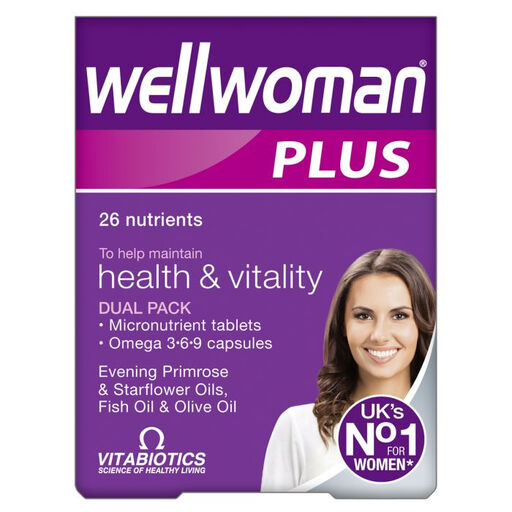
Why This Fits Their Persona: Suitable for adults wanting a combined multivitamin and omega-oil routine rather than buying separate products.
Its dual-formula format makes the tablet and capsule contents visible, helping shoppers identify the separate omega-3 serving and avoid accidental duplication.
Provides 185 mg omega-3 fatty acids per capsule; includes vitamin D, iron, magnesium, zinc and folic acid.
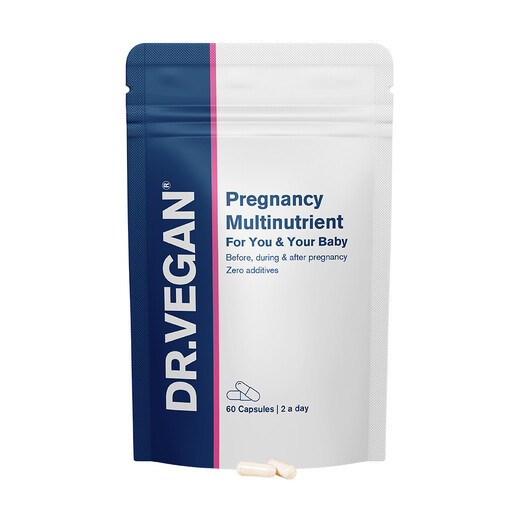
Why This Fits Their Persona: Designed for pregnant and breastfeeding women who need a vegan prenatal formula with a defined two-capsule daily serving.
It is explicitly positioned for pregnancy and breastfeeding, rather than leaving shoppers to adapt a general multivitamin. Medical advice remains appropriate before use.
Vegan capsule formula; provides folate, iron, vitamin D3, B12, iodine and choline.
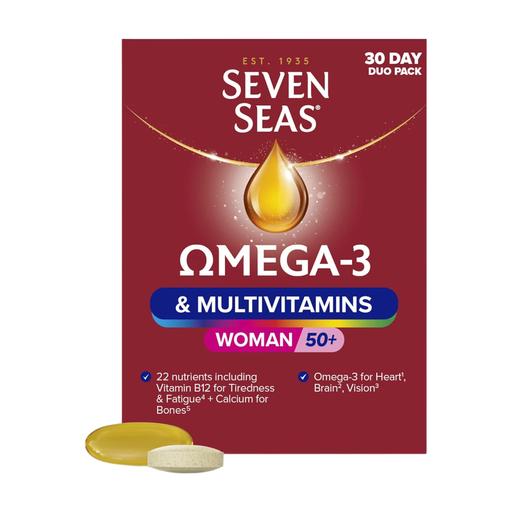
Why This Fits Their Persona: A targeted option for women aged 50 and over who want a multivitamin and omega-3 capsule in one daily pack.
The intended age group and daily tablet-plus-capsule format are clearly specified, reducing the risk of choosing a general formula that does not match your life stage.
Supplies 300 mg omega-3 per capsule; includes vitamin D, calcium, B12, iodine and 22 vitamins and minerals.
We have compiled a complete, real-time list of products that fully satisfy these strict selection criteria and UK safety regulations.
They are used to supplement the diet with vitamins, minerals, omega-3 oils or selected botanicals. The appropriate product depends on your diet, age, pregnancy status and nutritional requirements. They should not be used to diagnose or treat a medical condition.
Usually, you should avoid taking them together unless advised by a healthcare professional. Both products may contain overlapping nutrients such as folate, iron, vitamin D and iodine. Compare the labels before combining any women's daily vitamins.
This depends on the number of capsules or tablets and the stated serving size. A 60-capsule product taken at two capsules daily provides 30 days, while a 90-tablet product taken at three tablets daily also provides 30 servings. Always calculate supply length from the dosage instructions, not the pack size alone.