
24/7 Customer Support

Free returns

Same-day & Next-day Delivery

Quality Guaranteed

Unlock Your Welcome Offers: FREE Delivery | Up to 80% OFF | Free 30-day JoyPlus trial
Download the APP
Wooden kitchen utensils bring a touch of natural warmth and timeless style to any UK kitchen. They feel substantial in your hand and, when chosen correctly, can be trusted companions for years. However, the market is filled with options that look good on the shelf but fail to perform. Many of us have been disappointed by a wooden spoon that splits after a few washes or a "non-stick safe" turner that still leaves marks on a new pan.
As the Joybuy Product Recommendation Officer, my role is to help you see past the marketing and focus on what truly matters. Before you invest in a new set, let's look at the common traps that lead to buyer's remorse.
To ensure your new tools are both beautiful and functional, focus on these core parameters.
Not all woods are created equal in the kitchen. The type of wood determines the utensil's durability, water resistance and appearance.
For the modern kitchen, the combination of silicone and wood offers a practical and stylish solution. These tools feature a wooden handle for a sturdy, cool-to-the-touch grip, paired with a silicone head. The silicone is flexible, completely non-stick safe and highly heat-resistant, making it ideal for everything from scraping bowls to stirring sauces in hot pans. This hybrid design is a hallmark of many modern kitchen accessories.
Look for thoughtful design details that enhance usability. A smooth, sealed finish is non-negotiable to prevent splitting and staining. Ergonomically shaped handles provide comfort and control during prolonged use. Features like hanging loops offer convenient storage, keeping your countertops clear and your tools within easy reach.
Based on these criteria, here are a few recommendations matched to different home cooks.
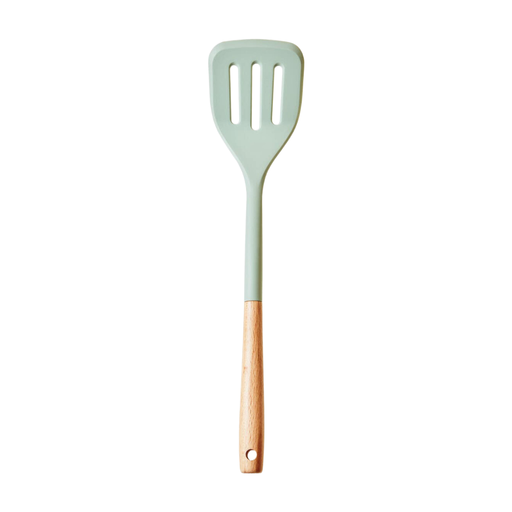
Why This Fits Their Persona: For those who see their kitchen as an extension of their home's design, this turner's blend of sage green silicone and natural wood offers a perfect modern aesthetic. It's a functional tool that doubles as a stylish accessory.
The flexible silicone head is genuinely gentle on non-stick surfaces, completely avoiding the "rough finish" trap that can ruin expensive pans.
Heat-resistant silicone head is durable and easy to clean. The sturdy wooden handle provides a comfortable, secure grip.
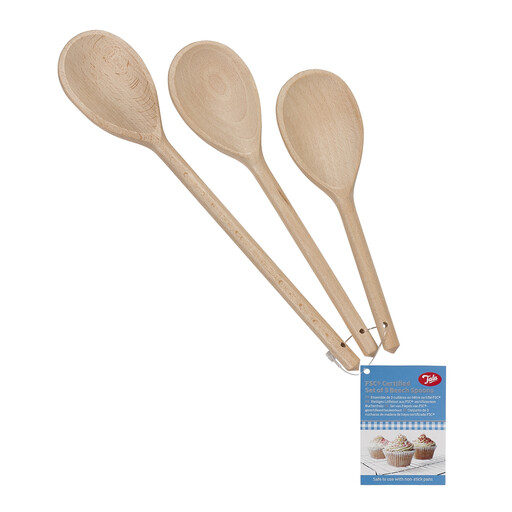
Why This Fits Their Persona: For the home baker who relies on classic, dependable tools, this set from a heritage British brand is ideal. It's perfect for stirring, folding and scraping, embodying a no-fuss, traditional approach to cooking.
Crafted from solid, FSC-certified beechwood, this set sidesteps the "untreated wood" trap. It's built for durability and won't split or warp with proper care.
A sustainable choice from a trusted brand. The smooth beechwood is naturally safe for all non-stick cookware and bakeware.
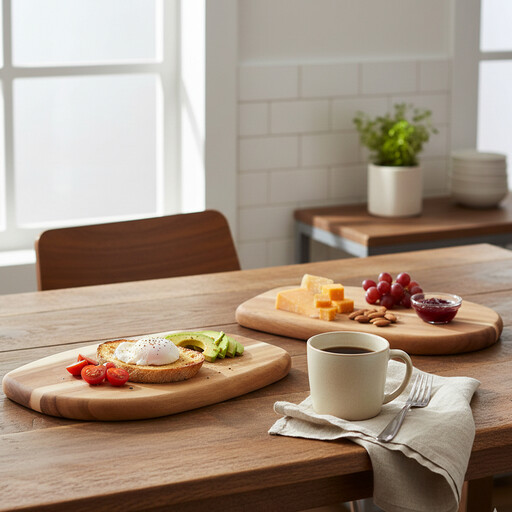
Why This Fits Their Persona: For those who love to host, presentation is key. This set of acacia boards transitions seamlessly from a durable chopping surface to an elegant serving platter for cheese, charcuterie or appetisers.
Made from hard, dense acacia wood, these boards are resistant to knife scarring and moisture, avoiding the trap of soft woods that look worn and unhygienic after minimal use.
Highly versatile for both prep and serving. The sustainable acacia wood offers a unique, beautiful grain pattern on every board.
We have compiled a complete, real-time list of products that fully satisfy these strict selection criteria and UK safety regulations.
Proper care is simple but crucial. Always hand wash your wooden utensils with mild soap and warm water immediately after use. Never leave them to soak in water and do not put them in the dishwasher, as the intense heat and moisture will cause them to warp and crack. After washing, dry them thoroughly with a towel. To maintain their lustre and prevent the wood from drying out, periodically rub them with a food-safe mineral oil.
Yes, high-quality wooden utensils with a smooth finish are an excellent choice for non-stick safe utensils. Wood is softer than metal, so it will not scratch or damage the delicate coating on your pans. For an added layer of protection, you might consider silicone and wood cooking utensils. These combine a gentle, heat-resistant silicone head with the classic feel of a wooden handle, offering great performance for all cookware types.
For maximum durability, look for utensils made from dense hardwoods. Teak is highly regarded for its natural oil content, which makes it extremely resistant to water and warping. Acacia wood and oak kitchen utensils are also exceptionally strong and long-lasting choices that can withstand the rigours of a busy kitchen.