
24/7 全天候客户支持

免费退货

当日/次日达

品质保障

开启新人专享福利: 全场免邮 | 低至 2 折 | 免费试用 30 天 JoyPlus 会员
下载 Joybuy
For UK households, choosing an anti-allergy duvet is rarely just about finding the lowest price. The right option needs to match your bed size, preferred warmth, washing routine and sensitivity to filling materials. A duvet that looks suitable online can become frustrating if it is too warm, difficult to dry or poorly matched to seasonal temperatures.
This guide explains the specifications worth checking before buying, highlights common marketing pitfalls and compares suitable options for different household needs.
An anti-allergy label does not mean a duvet can prevent or treat allergies. It generally refers to the filling or fabric being treated or selected to help reduce the build-up of certain microorganisms, or to the product being made without particular materials associated with irritation.
Check the product description for specific information about:
For the Slumberdown range, the product information states that it has been tested and approved by Allergy UK. This should be understood as a product approval statement, rather than a guarantee of individual results.
A 10.5 tog duvet is commonly described as an all-round or medium-warm option, but comfort also depends on room temperature, sleepwear, mattress insulation and personal preference. A 10.5 tog duvet may suit many bedrooms through much of the year, but warmer sleepers may prefer a lighter summer duvet.
Likewise, an all seasons duvet is not automatically more economical. Its higher purchase price may only be worthwhile if you will genuinely use the separate layers across changing temperatures.
A duvet that cannot fit into your washing machine, or takes too long to dry, may be inconvenient in a busy UK household. Always check the care label before ordering. A machine washable duvet is more practical for routine maintenance, but you should still confirm:
Tog measures thermal resistance rather than softness or overall quality. As a practical guide:
A 10.5 tog single duvet offers straightforward everyday warmth, while a 4.5 + 9 tog combination provides three settings: 4.5 tog, 9 tog and 13.5 tog when joined.
A hollowfibre duvet uses synthetic fibres with a hollow structure designed to provide loft and insulation without the weight of feather or down. Synthetic fillings are often selected by shoppers who want simple washing and a familiar, consistent feel.
Microfibre covers can feel smooth and soft, while feather and down products may have a different weight, texture and level of insulation. If you are specifically looking for an anti-allergy duvet, do not assume a natural filling has the same features as a treated synthetic filling. Check the product details carefully.
A UK single duvet is typically around 135cm x 200cm, but dimensions can vary between manufacturers. Confirm the measurements before buying, especially if you use a deeper mattress or want extra side coverage.
Construction details also matter. Stitched panels help keep the filling distributed, while reinforced seams may reduce loose threads during regular use. These features do not replace correct care, but they can be useful for everyday family bedding.
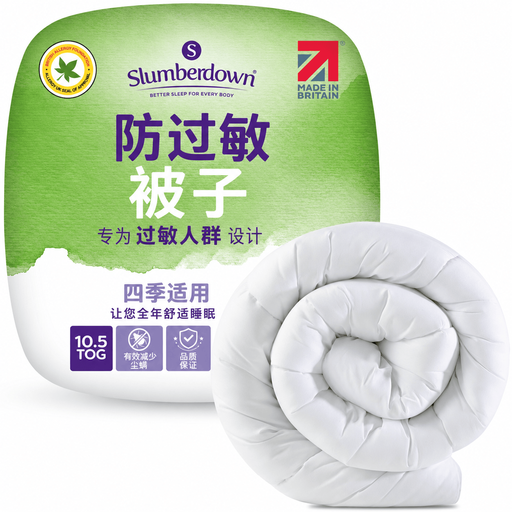
Why This Fits Their Persona: A practical single duvet for students, first homes, children’s rooms and shoppers wanting one medium-warm option for much of the year.
The 10.5 tog rating is clearly specified, as are the 40°C machine-wash instructions. The listing also identifies the hollowfibre filling and Allergy UK approval statement.
Single size measures 135cm x 200cm; 100% microfibre composition; machine washable and tumble-dryer friendly; stated as made in the UK.
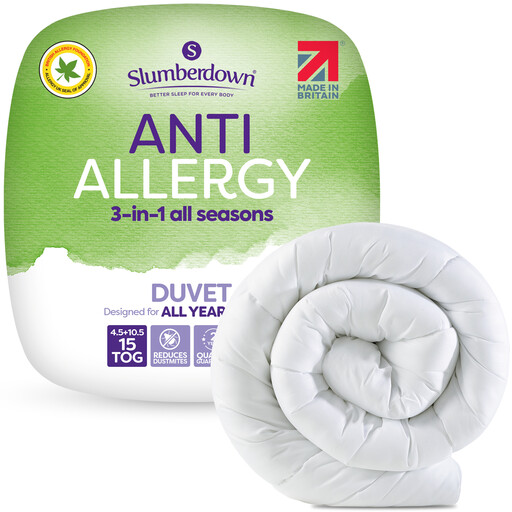
Why This Fits Their Persona: Suitable for shoppers who value flexibility and want one bedding set that can adapt to mild, moderate and colder UK weather.
Instead of relying on vague “all year” wording, it states the three usable warmth levels: 4.5 tog, 9 tog and 13.5 tog when clipped together.
100% microfibre composition; hollowfibre filling; machine washable and tumble-dryer friendly; single size measures 135cm x 200cm.
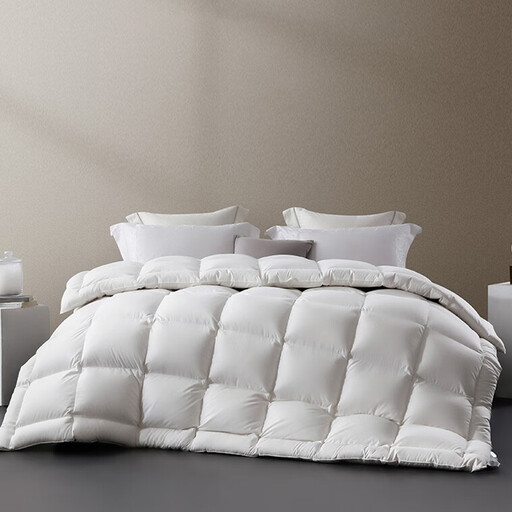
Why This Fits Their Persona: A duck feather and down option for shoppers prioritising a thick, cosy feel for colder bedrooms and winter use.
The filling type is stated clearly, so shoppers are not left guessing whether it is synthetic or natural. It should not be treated as an anti-allergy duvet without checking the full listing.
Duck feather and down filling; described as extra warm and suitable for colder nights; listed dimensions are 155cm x 220cm.
Follow the care label rather than washing at a higher temperature than specified. For the Slumberdown options above, the supplied product information states 40°C machine washing and tumble-dryer compatibility.
To maintain a duvet:
A quality guarantee may provide additional reassurance. The Slumberdown product descriptions state a two-year quality guarantee, but the specific terms should be checked before purchase.
We have compiled a complete, real-time list of products that fully satisfy these strict selection criteria and UK safety regulations.
A 10.5 tog duvet can suit many homes through much of the year, particularly bedrooms with moderate temperatures. It may feel too warm for some sleepers in summer and insufficient for very cold rooms in winter. An all-seasons design offers more adjustment.
Follow the manufacturer’s care instructions. Washing frequency depends on whether you use a duvet cover, household needs and accidental spills. Regularly washing the cover and airing the duvet can help keep bedding feeling fresh between full washes.
Hollowfibre is a synthetic filling commonly chosen by shoppers seeking an alternative to feather and down. However, individual sensitivities vary. Check the full material information and any stated approval, and follow advice from a qualified healthcare professional if you have a diagnosed allergy.