
24/7 Customer Support

Free returns

Same-day & Next-day Delivery

Quality Guaranteed

Unlock Your Welcome Offers: FREE Delivery | Up to 80% OFF | Free 30-day JoyPlus trial
Download the APP
As a Joybuy Product Recommendation Officer, my role is to help you navigate the crowded market of home goods. When it comes to bamboo kitchenware, the appeal is clear: it promises a blend of natural aesthetics and eco-conscious living. However, not all bamboo products are created equal. Many shoppers find their stylish new items warping, splitting or proving less green than advertised within months.
This guide cuts through the marketing clutter. We will highlight the common pitfalls that lead to disappointment and show you what to look for to ensure your purchase is a lasting, valuable addition to your kitchen.
Many products look great on the shelf but fail in practice. Here are the three most common issues UK consumers face:
To avoid these traps, focus on a few key technical details. These are the non-negotiable factors that separate high-quality sustainable kitchen utensils and accessories from the ones that fail.
Understanding how a product is made is crucial.
The colour of the bamboo is not just for looks; it often indicates a specific treatment.
Good design makes a product a pleasure to use. For natural kitchen accessories, look for thoughtful features that solve common kitchen annoyances. For a bamboo cutting board, this means checking for a built-in juice groove to catch liquids and keep your worktops clean. Integrated handles are another practical feature, making it easier and safer to lift and move a heavy board. These details are hallmarks of a well-considered, user-focused product.
Instead of a generic list, we have matched specific products to different user needs. This ensures you find an item that genuinely fits your lifestyle.
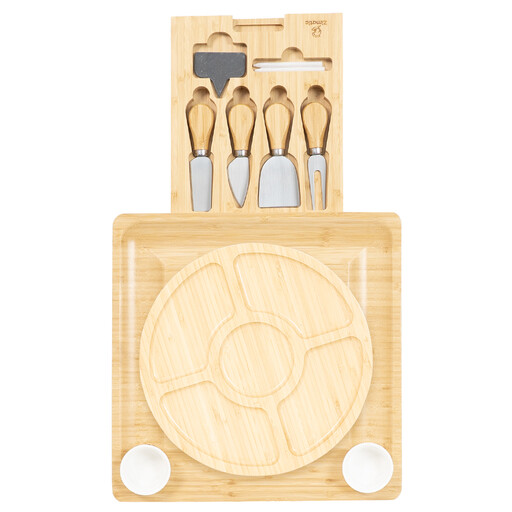
Why This Fits Their Persona: For those who love hosting, presentation is key. This board is designed not just for prep but as a centrepiece for serving cheese, crackers and charcuterie, making it perfect for gatherings with friends and family in the UK.
This avoids the "100% Bamboo" myth by being a purpose-built set. It is constructed from solid bamboo and includes dedicated tools, ensuring the entire package is designed for its intended use as a serving platter, not a heavy-duty chopping block.
It functions as an all-in-one serving solution, complete with a cheese knife set and a dedicated fruit tray. The clever design keeps everything organised and elegant.
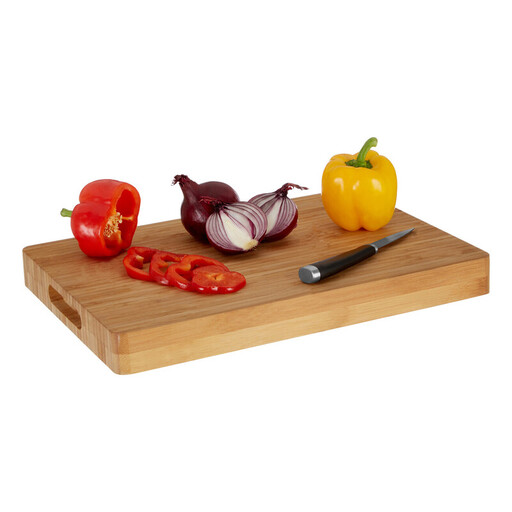
Why This Fits Their Persona: This is for the serious home cook who preps meals daily. Its substantial size and thickness provide a stable, reliable surface for heavy chopping, dicing and slicing, standing up to the demands of a busy kitchen.
It directly counters the "Durability Deception." With a 4cm thickness and robust build, it is designed to resist warping and splitting. This is a true butcher's block, not a flimsy board that will fail under pressure.
The integrated cut-out handles provide excellent grip for secure lifting and transport. Its substantial weight (2.75kg) ensures it stays put on the worktop during vigorous chopping.
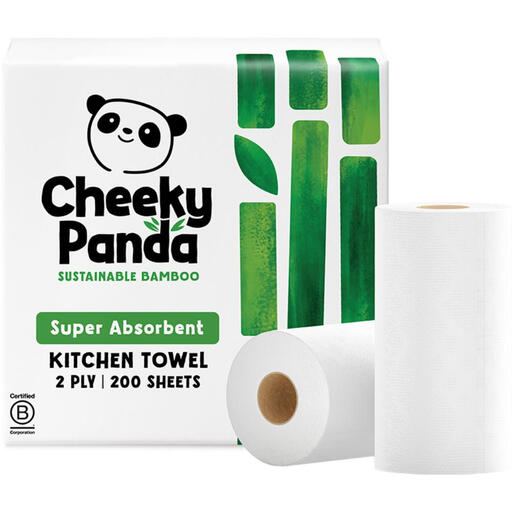
Why This Fits Their Persona: For those beginning their journey into a more sustainable home, simple swaps are the most effective. This kitchen roll is an easy, direct replacement for a conventional product, making it one of the simplest plastic-free kitchen essentials to adopt.
This product directly addresses the "'Eco-Friendly' Wash." It is made from FSC certified bamboo, comes in fully recyclable, plastic-free paper packaging and the brand is transparent about its carbon-balancing initiatives.
The 2-ply design is strong and highly absorbent, tackling spills without tearing or leaving lint. It is also hypoallergenic and free from harsh chemicals like chlorine bleach and BPA.
We have compiled a complete, real-time list of products that fully satisfy these strict selection criteria and UK safety regulations.
Generally, it is not recommended. The high heat, prolonged moisture exposure and harsh detergents used in dishwashers can cause bamboo to warp, split or lose its finish. For longevity, always hand wash your bamboo items with mild soap and warm water, and dry them thoroughly with a towel straight away.
Proper care is simple and will significantly extend the life of your board. After hand washing and drying, it is a good practice to periodically treat the board with a food-safe mineral oil. Apply a small amount with a clean cloth, let it soak in for a few hours or overnight, and then wipe off any excess. This prevents the bamboo from drying out and cracking.
Bamboo has natural properties that can make it resistant to bacteria. A key advantage over plastic is that it is less prone to developing deep knife grooves, which can trap food particles and harbour germs on plastic boards. As long as it is cleaned properly and maintained, a solid bamboo board can be a very hygienic surface for food preparation.