
24/7 Customer Support

Free returns

Same-day & Next-day Delivery

Quality Guaranteed

Unlock Your Welcome Offers: FREE Delivery | Up to 80% OFF | Free 30-day JoyPlus trial
Download the APP
By Joybuy Product Recommendation OfficerPublished on 26 August 2026
We’ve all been there. You buy a new pair of washing up gloves, and within a week, a mysterious hole appears at the fingertip. Or you grab a pair of disposable gloves for a messy job, only for them to rip as you put them on. It’s a small but common frustration in many UK households.
Choosing the right household gloves isn't just about keeping your hands dry; it's about finding a pair that is durable, comfortable and genuinely suited to the task. Many products on the market look the part but fail on a few simple, yet critical, points. Before your next purchase, be aware of these common pitfalls that lead to wasted money and frustration.
Navigating the options is straightforward when you know what to look for. Focus on these key parameters to find a pair of household gloves that will perform reliably.
The first decision is whether you need a sturdy, reusable pair or a convenient, single-use option.
The material of your glove dictates its durability, flexibility and suitability for different tasks and skin types.
Small details in the design can have a big impact on performance and comfort.
Based on these practical criteria, we've matched a few standout options to common user needs.
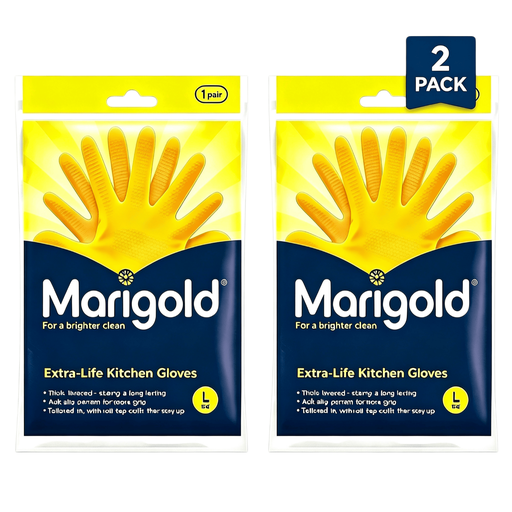
Why This Fits Their Persona: For those who spend significant time washing up or cleaning, durability and comfort are paramount. This user needs a reliable workhorse that won't fail mid-chore.
Its triple-layer design directly counters the durability pitfall, while the roll-top cuffs stay up to prevent water ingress. The cotton lining addresses the comfort compromise, preventing clammy hands.
Features a comfortable cotton lining and an anti-slip pattern for a secure grip on wet dishes. The packaging and gloves are also recyclable via TerraCycle.
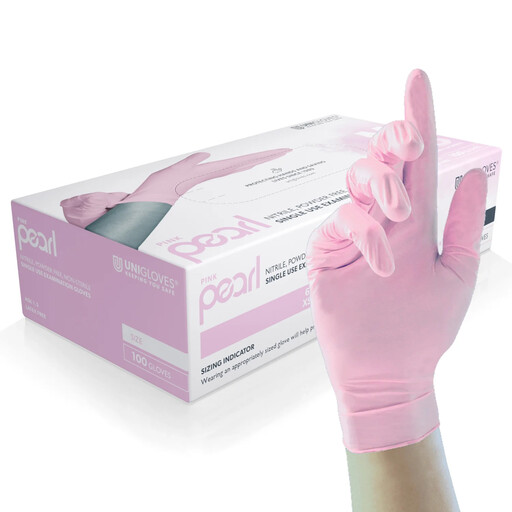
Why This Fits Their Persona: Ideal for home cooks and small business owners who prioritise hygiene, handle various food types, and need a quick, clean barrier for tasks without the hassle of washing up reusable gloves.
As single-use nitrile gloves, they eliminate the risk of smelly, worn-out reusable gloves. The material is powder-free and latex-free, avoiding common skin irritants and making them suitable for food contact.
These are food-safe, chemical-resistant and touchscreen compatible. The beaded cuff adds strength, and they come in a convenient box of 100.
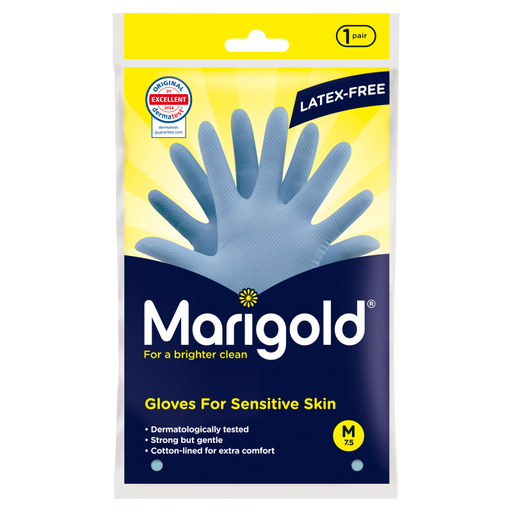
Why This Fits Their Persona: This user needs reliable protection from detergents and warm water but finds that standard rubber gloves cause irritation, redness or allergic reactions.
These gloves directly address the comfort and allergy pitfall. They are explicitly latex-free and dermatologically tested. The soft cotton lining also prevents the clammy feeling that can exacerbate skin issues.
Designed specifically for sensitive skin, these gloves are strong yet supple. They feature a tailored fit and an anti-slip pattern for secure handling.
We have compiled a complete, real-time list of products that fully satisfy these strict selection criteria and UK safety regulations.
The unpleasant odour in reusable gloves is caused by bacteria thriving in damp conditions. To prevent it, rinse the gloves inside and out with clean water after each use. Most importantly, hang them up to allow air to circulate, ensuring they dry completely before you use them again. Avoid leaving them in a damp pile by the sink.
It depends on your needs. Nitrile gloves are more puncture-resistant and are a latex free option, making them an excellent choice for individuals with latex allergies, for handling chemicals or for food prep. Natural rubber gloves (latex) are often more flexible and can provide a slightly better sense of touch. For general washing up, both work well, but if you have sensitive skin or need a more versatile glove, nitrile is often a preferable choice.
Most standard household gloves are not accepted in kerbside recycling collections. However, some brands are making efforts to improve sustainability. Companies like Marigold and Spontex have partnered with schemes such as TerraCycle to offer recycling programmes for their used gloves and packaging. Always check the product packaging for the most current recycling information and instructions.