Choosing a new cycling helmet can feel overwhelming. With countless models available, each designed for different types of riding, it’s easy to get lost in technical specifications. Whether you’re a daily commuter, a weekend road cyclist or a trail-seeking mountain biker, the right helmet is a crucial piece of kit. This guide is designed to cut through the clutter, helping you understand the key features to look for and highlighting some excellent options for your specific needs.
As your Joybuy Product Recommendation Officer, my goal is to provide clear, practical advice so you can make an informed decision with confidence.
How to Choose the Right Cycling Helmet
Before diving into specific models, let's cover a few essential points to consider during your search. Understanding these will help you narrow down the options and find a helmet that offers the right balance of safety, comfort and functionality for your rides.
Understanding Safety Certifications
In the UK and Europe, all cycling helmets must meet the EN 1078 standard. This certification ensures the helmet has passed specific tests for shock absorption, construction and retention systems. You may also see some helmets with a CPSC certified helmet label, which is the mandatory standard in the United States. Seeing both indicates the helmet meets rigorous safety requirements across multiple regions. Always check for at least the EN 1078 marking when purchasing a helmet in the UK.
Key Features for Different Riding Styles
Not all helmets are created equal because not all cycling is the same. Here are some features to look for based on how you ride:
- Rotational Impact Protection (MIPS): Many modern helmets feature a cycling helmet with MIPS (Multi-directional Impact Protection System). This is a low-friction layer inside the helmet designed to allow a slight sliding movement upon certain angled impacts, which can help reduce rotational forces transferred to the head. It's a valuable feature for any type of cyclist.
- Commuter and Urban Riding: If you ride in the city, visibility is paramount. A commuter helmet often includes features like bright colours or reflective details. A bike helmet with light integrated into the rear offers an extra layer of safety, making you more visible to traffic, especially at dawn, dusk or night.
- Road Cycling: For a road bike helmet, priorities often shift to low weight and maximum ventilation. Aerodynamic designs and numerous large vents help keep you cool and comfortable on long, strenuous rides.
- Mountain Biking: A mountain bike helmet typically offers more coverage, especially around the back of the head. A helmet with visor is standard to shield your eyes from sun, rain and trail debris. For more aggressive downhill or enduro riding, a full face MTB helmet provides maximum protection for the chin and face.
- Fit and Adjustability: Regardless of the style, a proper fit is non-negotiable. Look for an adjustable bike helmet with a rear dial system and adjustable straps to ensure it sits securely and comfortably on your head.
Top Cycling Helmet Recommendations
Based on features, user needs and versatility, here are our recommendations for 2026.
OutdoorMaster MIPS Gem I Adults Recreational Cycling Helmet
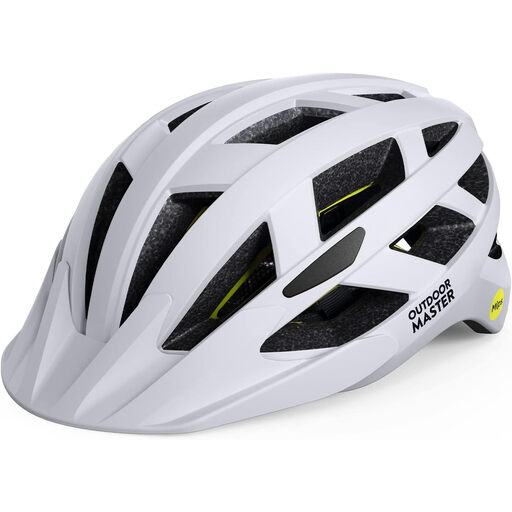
OutdoorMaster MIPS Gem I Adults Recreational Cycling Helmet - Pavement White M
- Why It Stands Out: This helmet brings the MIPS safety system to a versatile, multi-sport design. It’s an excellent all-rounder that doesn’t compromise on modern protection technology, making it suitable for a wide range of casual activities.
- Pros:
- MIPS Technology for enhanced protection against rotational forces.
- 25 ventilation vents provide substantial airflow for comfort.
- Double adjustment system with two liner thicknesses for a customisable fit.
- Removable visor adds flexibility for different conditions.
- Who is it for? The recreational cyclist, commuter or skater who wants an adult bike helmet with an advanced safety feature like MIPS without needing a discipline-specific design.
OutdoorMaster Cycling Helmet RhinoUrban With Goggles & Light
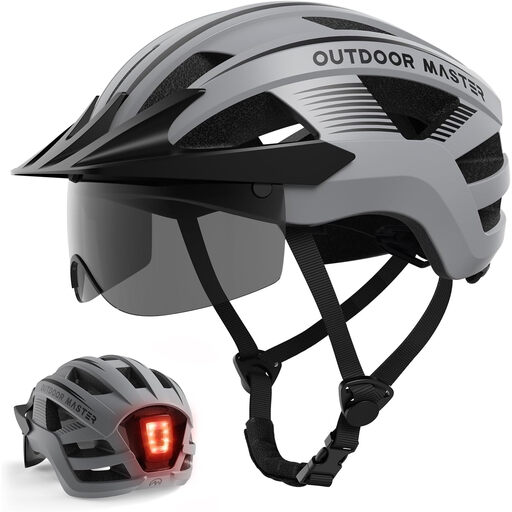
OutdoorMaster Cycling Helmet RhinoUrban With Goggles&Light Grey M 54-58cm
- Why It Stands Out: This helmet is a complete solution for the urban rider. The integration of a rechargeable rear light, magnetic goggles and a sun visor provides exceptional convenience and enhances safety in busy environments.
- Pros:
- Type-C rechargeable rear light with multiple modes for high visibility.
- Magnetic detachable goggles protect eyes from wind, debris and UV rays.
- CPSC and ASTM certified, indicating it meets high safety standards.
- 17 vents offer good breathability for city riding.
- Who is it for? The daily commuter, e-bike rider or urban cyclist who values an all-in-one package focused on visibility and practicality. It’s a purpose-built commuter helmet.
OutdoorMaster Full Face Mountain Bike Helmet
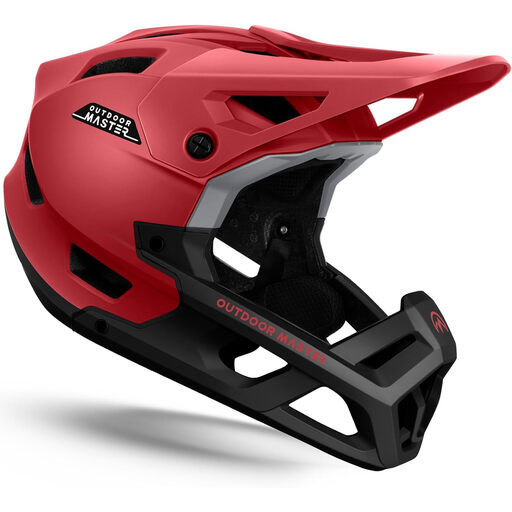
OutdoorMaster Full Face Mountain Bike Helmet for Men & Women-Red, L
- Why It Stands Out: This helmet is engineered for maximum protection during aggressive riding. Its full-face design, combined with an EPP collarbone impact system and chinbar shock pads, provides the coverage needed for downhill and BMX disciplines.
- Pros:
- Full-face design for comprehensive chin and face protection.
- EPP collarbone impact system designed to absorb impact energy.
- 27 high-flow vents ensure impressive cooling for a full-face model.
- Lightweight construction (under 750g) reduces neck fatigue.
- Who is it for? Serious mountain bikers, downhill racers and BMX riders who require the robust protection of a full face MTB helmet for challenging terrain and high speeds.
Looking for More Options?
These recommendations cover three distinct cycling needs, but the world of helmets is vast. If you're looking for a different style, colour or feature set, there are many other quality options to explore.
To see a wider selection, browse our complete collection of Durable Bike Helmet to find the perfect match for your ride.
Frequently Asked Questions About Cycling Helmets
1. How often should I replace my cycling helmet? It is widely recommended to replace your helmet immediately after any significant crash or impact, even if there is no visible damage, as its protective structure may be compromised. Furthermore, due to the gradual degradation of materials from exposure to UV light and sweat, most manufacturers suggest replacing your helmet every 3-5 years.
2. Is a more expensive helmet always safer? Not necessarily. All helmets sold in the UK must meet the EN 1078 safety standard to be legally sold, so they all provide a baseline level of protection. A higher price often pays for advanced features such as a lighter weight, superior ventilation, aerodynamic profiling or additional safety systems like a cycling helmet with MIPS.
3. How do I know if my bike helmet fits correctly? A correctly fitted helmet is essential for it to perform as intended. It should feel snug but not uncomfortably tight. It should sit level on your head, with the front edge about one to two finger-widths above your eyebrows. The 'Y' of the side straps should meet just below your earlobes, and the chin strap should be tight enough that you can fit no more than one or two fingers between the strap and your chin. Use the adjustable bike helmet dial at the back to fine-tune the fit.


