
24/7 Customer Support

Free returns

Same-day & Next-day Delivery

Quality Guaranteed

Unlock Your Welcome Offers: FREE Delivery | Up to 80% OFF | Free 30-day JoyPlus trial
Download the APP
Navigating your home in the dark can be a daily challenge. Whether it's a late-night trip to the kitchen, checking on a child without waking them or simply avoiding that stray toy on the landing, fumbling for a light switch is rarely ideal. Traditional lamps can be too bright, disturbing sleep, while leaving lights on all night is a drain on your electricity bill.
A motion sensor night light offers a simple and effective solution. These clever devices provide gentle, automatic illumination exactly when and where you need it, enhancing safety and convenience throughout your home. As the Joybuy Product Recommendation Officer, my role is to help you find practical products that fit your life. This guide will walk you through what to look for and highlight some excellent options to consider for your home.
Before you buy, consider a few key features to ensure you get the perfect fit for your space.
The right power source depends entirely on where you plan to place the light.
Plug in night light: These are ideal for hallways, landings and kitchens where you have a free socket. They offer a consistent, maintenance-free power supply, so you can set them up and forget about them.Rechargeable hallway light: A more flexible and environmentally friendly option. These can be placed anywhere and are easily recharged via USB. They are great for areas without convenient sockets, but you will need to remember to charge them periodically.Battery operated stair lights: The ultimate in placement freedom. Powered by standard batteries (like AAA), these are perfect for inside cupboards, along staircases or in sheds. They are often sold in multi-packs, making them a cost-effective way to light up several spots at once.One of the biggest advantages of modern motion sensor lights is their easy, tool-free installation. Most models are designed as automatic stick on lights, using strong adhesive pads that attach securely to walls, skirting boards or even the inside of a wardrobe. This is perfect for renters or anyone who wants to avoid drilling holes. Many also feature magnetic bases, allowing you to detach the light for use as a temporary torch or for easy recharging.
The type of light is just as important as its function. For bedrooms and nurseries, a warm white night light (typically around 2800K-3200K) is recommended. This soft, amber-toned glow is less disruptive to your natural sleep cycle than harsh, blue-toned light. For functional areas like an LED wardrobe light or for under cabinet lighting in the kitchen, a brighter, more neutral white might be more suitable. Brightness, measured in lumens (LM), is also a factor—a gentle 10-30 LM is usually sufficient for navigation, while a task area might benefit from something brighter.
Here are a few motion-activated lights that offer practical features for different household needs.
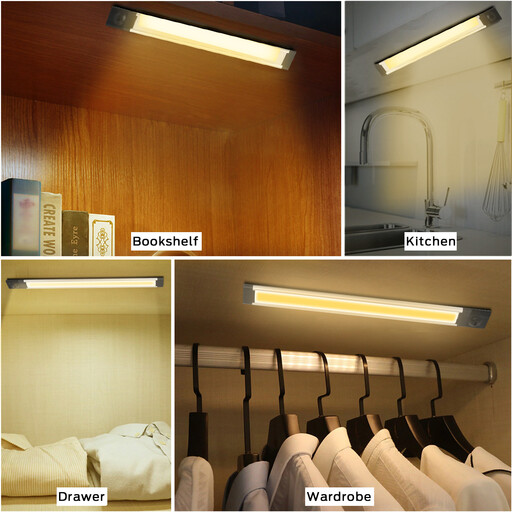
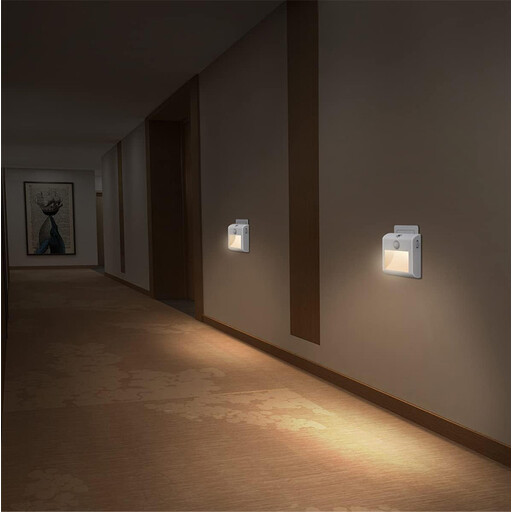
plug in night light design.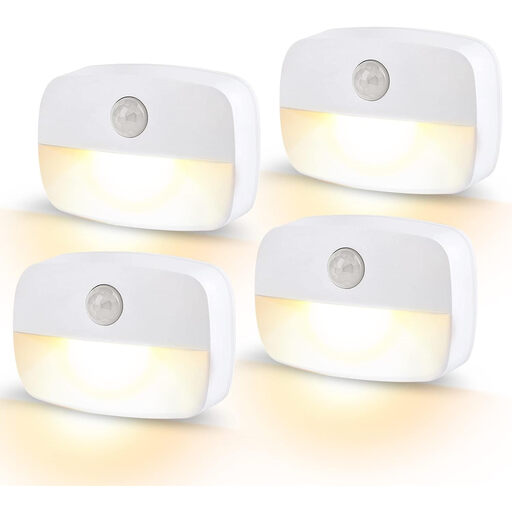
battery operated stair lights lets you illuminate multiple dark spots affordably. Their compact size and simple peel-and-stick installation make them perfect for tricky places like stairways, deep cupboards and wardrobes.automatic stick on lights installation.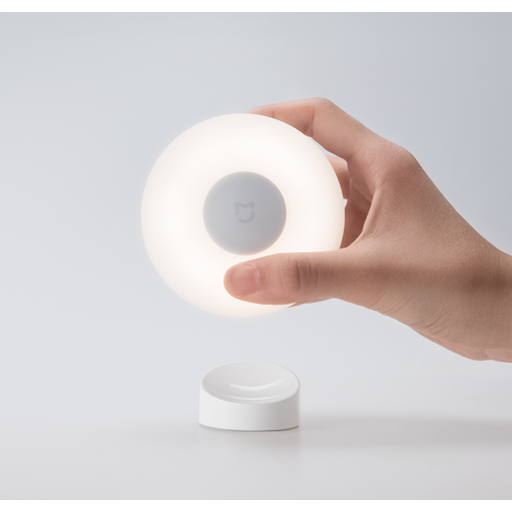
The right lighting can make a world of difference to your home's comfort and safety. If the recommendations above aren't quite what you're looking for or if you'd like to see different styles and features, you can explore our full range of night lights to find the perfect match for your needs.
The best locations are areas you frequently walk through in the dark. Common placements include hallways, staircases, landings, bathrooms and nurseries. They are also very useful inside dark wardrobes or kitchen cabinets. Try to position them so they detect movement as you approach, typically at knee or waist height.
No, they are highly energy-efficient. They use low-power LED bulbs and, most importantly, only activate for short periods when motion is detected. This consumes significantly less energy than leaving a conventional light on overnight.
This depends on the quality of the batteries and how often the light is triggered. In a low-traffic area like a cupboard, a set of batteries can last for many months. In a busy hallway, you might need to replace them more frequently. Models with a rechargeable hallway light design offer a good alternative, often lasting several weeks or months on a single charge.