
24/7 Customer Support

Free returns

Same-day & Next-day Delivery

Quality Guaranteed

Unlock Your Welcome Offers: FREE Delivery | Up to 80% OFF | Free 30-day JoyPlus trial
Download the APP
With the arrival of the Nintendo Switch 2, the demands on storage have never been greater. Larger game files, higher-resolution textures and faster processing mean that your console's internal memory will fill up quickly. Choosing the right storage expansion is no longer just about capacity; it's about speed, reliability and ensuring you spend more time playing and less time waiting for loading screens.
This guide is designed to help you navigate the new landscape of high-speed memory cards. We will break down the essential technology, highlight what to look for and present our top recommendations to help you make an informed decision for your Nintendo Switch 2, high-performance drone or 8K-ready camera.
Before diving into specific products, it's helpful to understand the key features that define a high-performance microSD card in 2026.
The most significant development in portable storage is the microSD Express card. Unlike traditional microSD cards that use the UHS-I interface, these new cards utilise a PCIe NVMe interface, similar to the technology found in modern computer SSDs. For a device like the Nintendo Switch 2, this translates to dramatically reduced game load times and smoother asset streaming. When looking for the fastest microSD card for gaming, the "Express" designation is the primary feature to seek out.
While 1TB and 2TB cards are available, a 512GB card often represents the sweet spot for most users. This capacity provides ample room for a substantial library of games and downloadable content without the premium price tag of the largest sizes. For content creators, a 512GB microSD Express card can hold hours of 4K or even 8K video footage, making it a versatile tool for both work and play.
High-performance devices demand durable storage. Look for cards with protections against water, extreme temperatures, drops and X-rays. A robust card ensures your game saves and creative projects are safe, whether you're gaming at home or filming with a high-speed memory card for a drone in challenging outdoor conditions.
Here are our standout selections for Nintendo Switch 2 storage expansion, chosen for their performance, features and suitability for demanding applications.
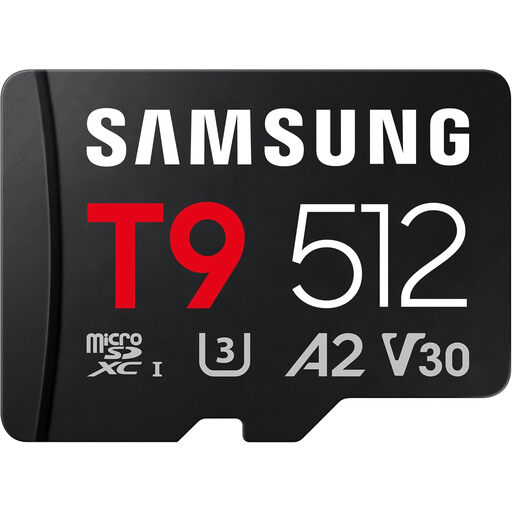
Why It Stands Out The Samsung T9 is a formidable UHS-I card that pushes the limits of the traditional interface. While not a microSD Express card, it offers impressive read speeds of up to 200MB/s and write speeds of 130MB/s. Its A2 rating ensures fast application performance, making it a solid choice for running games and apps directly from the card. Samsung's 6-proof durability provides peace of mind, protecting your data from water, temperature fluctuations and drops.
Pros
Who is it for? This card is ideal for users who want a significant performance upgrade for a wide range of devices, including older consoles and cameras, and value proven reliability and durability.
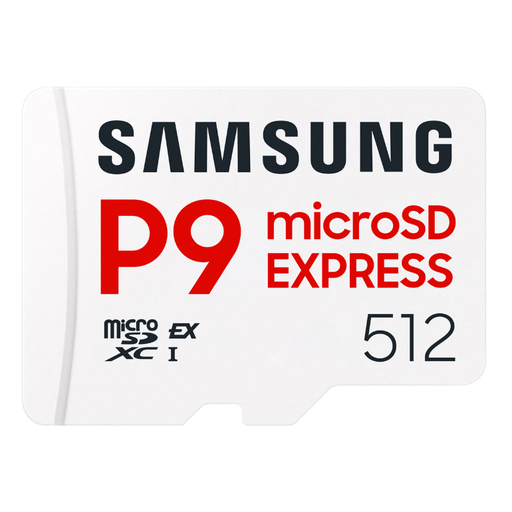
Why It Stands Out The Samsung P9 Express is engineered specifically for next-generation devices. Leveraging the PCIe Gen 3.0 interface, it delivers sequential read speeds of up to 800 MB/s—a substantial leap forward for portable storage. This speed drastically cuts down on installation and loading times on compatible devices like the Nintendo Switch 2. It also features Dynamic Thermal Guard technology to maintain stable performance during intense, prolonged gaming sessions.
Pros
Who is it for? Hardcore gamers and tech enthusiasts who want to unlock the full speed potential of their Nintendo Switch 2 and minimise waiting times.
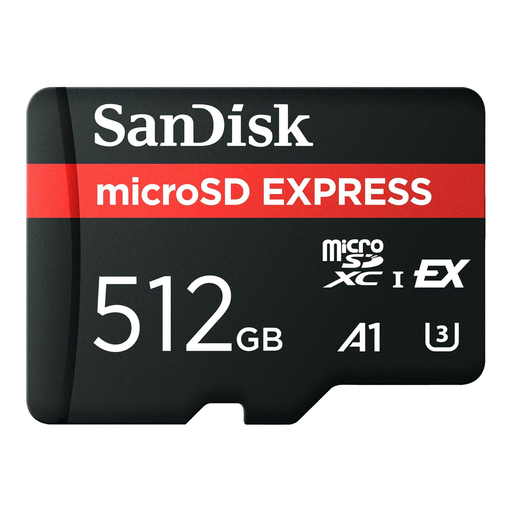
Why It Stands Out The SanDisk Express 512GB card brings SSD-like performance to the microSD form factor. According to SanDisk, its PCIe NVMe technology delivers read speeds up to 4.4 times faster than their fastest UHS-I cards. This makes it a powerhouse for transferring large files, loading massive game worlds and handling high-bitrate 8K video. SanDisk’s proprietary ThermAdapt technology actively manages heat, ensuring the card maintains peak performance during demanding tasks.
Pros
Who is it for? Professional content creators and gamers who demand the absolute cutting edge in speed for both capturing high-resolution media and playing the latest titles.
While these cards represent the forefront of storage technology, your needs may vary. If you are looking for different capacities or cards tailored to other devices, we have a wide selection available.
Explore our full range of SDHC memory cards to find the perfect storage solution for you.
1. Do I really need a microSD Express card for the Nintendo Switch 2? While a standard high-speed UHS-I card will work, a microSD Express card is required to take full advantage of the console's architecture. The PCIe interface allows for significantly faster data transfer, which can lead to noticeably shorter loading screens and smoother in-game performance, especially in large, open-world titles.
2. Can I use a 512GB microSD Express card in my drone or camera? Yes. These cards are backward compatible and will function in devices that support the microSDXC standard with a UHS-I interface. However, they will operate at UHS-I speeds in those devices. For creative professionals using drones or cameras that record high-bitrate 4K or 8K video, the speed of an Express card (when used with a compatible reader) can dramatically accelerate the workflow when transferring footage to a computer.
3. What is the main difference between the Samsung P9 Express and the SanDisk Express? Both are top-tier microSD Express cards that use the PCIe NVMe interface for exceptional speed. The primary differences lie in their proprietary supporting technologies. The Samsung P9 Express features Dynamic Thermal Guard, while the SanDisk Express uses ThermAdapt technology. Both systems are designed to manage heat and sustain performance during heavy use, but their implementation and effectiveness may vary slightly under different conditions.