
24/7 全天候客户支持

免费退货

当日/次日达

品质保障

开启新人专享福利: 全场免邮 | 低至 2 折 | 免费试用 30 天 JoyPlus 会员
下载 Joybuy
A digital thermometer can be a practical addition to a home first-aid kit, travel bag or nursery drawer. However, choosing one is not simply a matter of selecting the lowest price or the fastest number on the product page. Measurement method, operating technique, cleaning requirements and safety information all affect how useful the thermometer will be in everyday UK households.
Parents and carers should also be cautious of marketing language. A “one-second reading” does not automatically mean every measurement will be suitable for comparison, while a colourful fever alarm cannot replace sensible interpretation of a reading or medical advice when someone is unwell.
A fast temperature reading is convenient, particularly with a sleeping baby or restless child. Yet speed is only helpful when the device is used at the correct distance and in the correct mode. Forehead and non-contact thermometers may be affected by room temperature, perspiration, hats, blankets or movement.
Check the instruction manual for positioning guidance rather than choosing solely by the advertised response time.
An infrared thermometer with forehead, ear and object settings can be versatile, but households that only want occasional body-temperature checks may prefer a simpler pen-style device. Conversely, a family with babies may find object mode useful for checking milk or bath water, although this should not be confused with a body temperature measurement.
Review the modes, memory capacity and display functions before paying for features that may remain unused.
A thermometer is handled when someone may already be ill, so cleaning instructions matter. Look for a wipe-clean surface and a probe that can be cleaned as directed. Some devices require disposable probe covers, while others are designed for cleaning with a cloth or cotton swab.
Also check whether batteries are included, how the device is stored and whether it switches off automatically. These details can prevent a thermometer from being unavailable when needed.
If a device offers several modes, confirm that the display clearly identifies which one is active.
A display resolution of 0.1°C makes small changes visible, but resolution is not the same as measurement tolerance. Some product specifications state different error margins across different temperature ranges. Read these figures alongside the instructions and avoid treating every displayed decimal as a guarantee of clinical precision.
A one-second result can reduce fuss, but allow the thermometer to acclimatise to the room and follow the recommended distance or placement. This is particularly relevant for an infrared thermometer used after coming in from outdoors.
A fever alarm thermometer may use colour-coded backlighting, beeps or vibration to draw attention to a higher reading. These are convenience features, not a diagnosis. Silent or mute mode is valuable for night-time checks, while memory storage can help you record readings over time.
For a thermometer for kids and adults, look for a readable screen, simple controls and a comfortable shape. CE marking or other regulatory information should be checked on the product packaging and documentation. Where a listing states CE certification or MHRA registration, confirm the details supplied with the product and follow the manufacturer’s instructions.
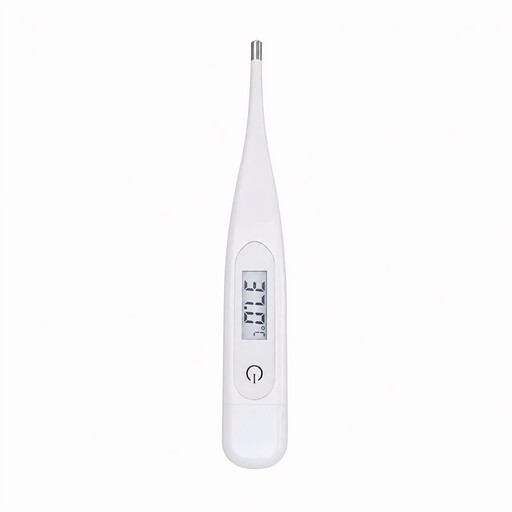
Why This Fits Their Persona: A compact pen-style option for households wanting a simple mercury-free thermometer for routine home or travel use.
It avoids paying for unused infrared modes and uses a mercury-free design with a stated 0.1°C display resolution.
Celsius/Fahrenheit switching, audible completion alert and a temperature display range of 32.0°C to 42.9°C.
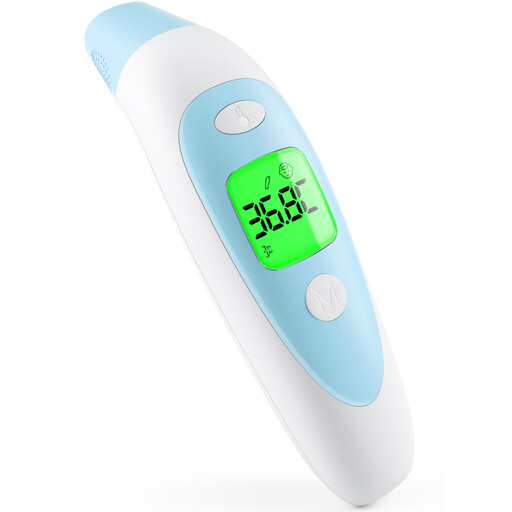
Why This Fits Their Persona: Designed for families wanting forehead, ear and object readings in one device, with controls suited to different ages.
The mode selection helps separate body and object readings, while silent operation avoids relying on loud alerts at night.
The listing states CE certification and MHRA registration, plus 32 stored readings, fever indicators and Celsius/Fahrenheit switching.
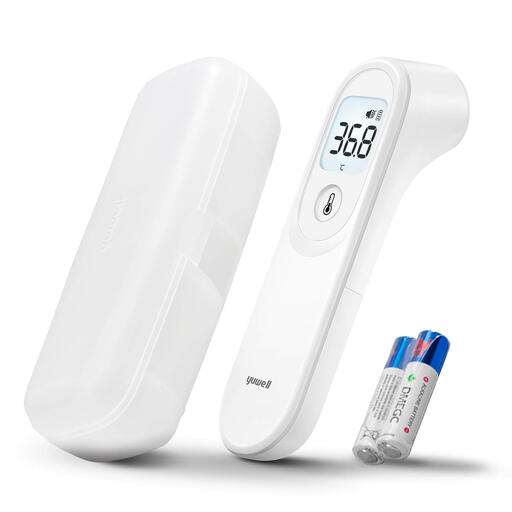
Why This Fits Their Persona: A no-touch forehead thermometer with a large display, suited to quick checks involving sleeping children or older relatives.
A distance-detection sensor is listed to guide positioning, addressing a common cause of inconsistent non-contact readings.
One-button operation, a stated one-second measurement, vibration reminder and mute mode.
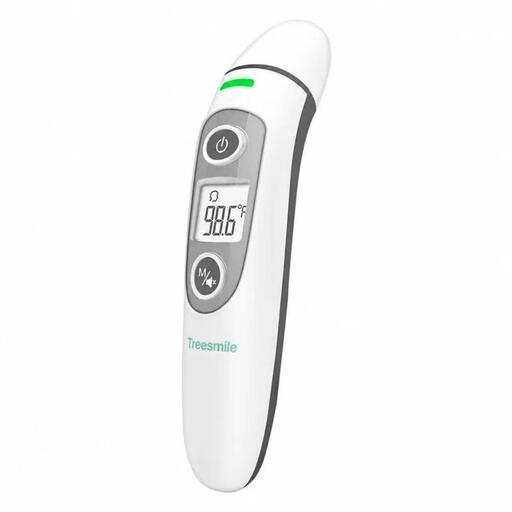
Why This Fits Their Persona: Suitable for households that want ear, forehead and object modes, along with stored readings for repeated monitoring.
The three-mode design makes its additional features practical, while the instructions state that the probe should be cleaned and the unit should not be immersed.
35 memory groups, three-colour LCD backlight, silent mode, included AAA batteries and automatic shut-off.
We have compiled a complete, real-time list of products that fully satisfy these strict selection criteria and UK safety regulations.
Lifespan depends on battery condition, cleaning, storage and general handling. A pen-style thermometer may remain useful while its display and probe operate correctly; infrared models also require a clean sensor and suitable batteries. Replace a device if it is damaged, gives error messages or produces readings that are repeatedly inconsistent when used according to the instructions.
A forehead thermometer can be convenient for babies because it may measure without contact and can be used quietly. Follow the specified distance and positioning guidance, remove coverings from the measurement area and consider repeating a reading if the result does not match the child’s symptoms. For health concerns, use NHS guidance or seek professional advice.
Most handheld infrared thermometers use small batteries and are designed for low-power household operation. Features such as auto shut-off, mute mode and an illuminated display can affect battery life. Check whether batteries are included and keep replacements available, especially if the thermometer is intended for travel or regular family monitoring.