
24/7 Customer Support

Free returns

Same-day & Next-day Delivery

Quality Guaranteed

Unlock Your Welcome Offers: FREE Delivery | Up to 80% OFF | Free 30-day JoyPlus trial
Download the APP
Choosing between ECOODA fishing lures is not simply a matter of selecting the brightest colour or heaviest model. UK anglers may fish canals, reservoirs, rivers, estuaries, piers and offshore marks, so the right lure depends on water depth, retrieval method, target species and tackle capacity.
A lure that performs well for boat trolling can be unsuitable for casting from a rocky shore. Likewise, a deep-diving model may spend too much time catching the bottom in a shallow reservoir. Use the following guide to compare ECOODA hard lures, ECOODA soft lures and casting designs before buying.
A lure’s advertised depth is generally affected by line diameter, trolling speed, rod angle, current and the amount of line deployed. A deep-diving fishing lure rated for up to 10m will not necessarily reach that depth during every cast or retrieve.
Check whether the model is intended for trolling, casting or both, and consider the depth of the water you actually fish.
Cyan blue, metallic and natural fish patterns can look appealing, but colour is only one part of lure selection. Water clarity, cloud cover, depth and light penetration all influence visibility. A realistic finish may be useful in clear water, while a vibrating or moving lure can create additional visual and water disturbance in coloured water.
A six-colour selection gives flexibility, but it does not remove the need to match the lure’s action and weight to your fishing conditions.
A 150g or 200g lure requires suitable rod, reel and line equipment. Using an oversized lure on light tackle can reduce casting control and place unnecessary strain on the setup. On the other hand, a light lure may be difficult to cast into wind or current.
Hooks are also a practical consideration. The ECOODA 165DD model, for example, is supplied with SIKE 3509 5X #2 hooks. Sharp hooks improve handling and fish safety when used correctly, but they must be covered or stored securely and checked for damage, corrosion and sharpness.
Compare the lure weight with the casting range printed on your rod. The ECOODA range includes options around 60g, 80g, 150g and 200g, as well as a 64g deep-diving minnow. These weights suit different tackle classes and fishing environments.
For shore fishing, a long-cast lure may be practical when distance is important. For freshwater fishing in enclosed waters, a lighter lure can be easier to control around weed, margins and structure.
Look beyond a general “deep” or “shallow” label. The ECOODA 165DD specification lists:
These measurements help indicate the scale and intended use of the lure. A large profile may suit predatory fish and offshore fishing, while a smaller or more flexible presentation may be easier to use in rivers and stillwaters.
For saltwater fishing lure use, rinse the lure with fresh water after each trip, dry it thoroughly and inspect hooks and split rings. This simple routine helps remove salt and debris that may contribute to corrosion.
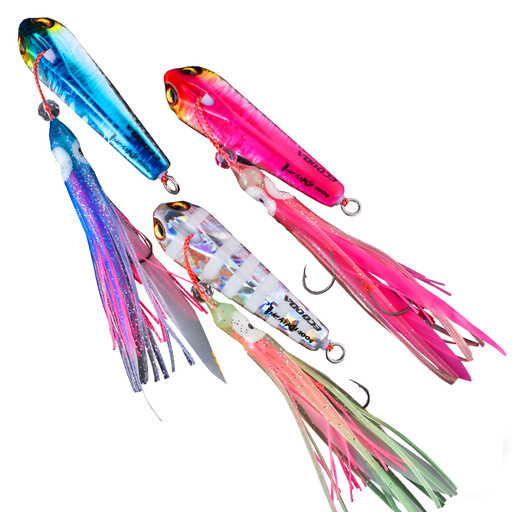
Why This Fits Their Persona: The 60g format gives newer anglers a manageable starting point for freshwater fishing, estuary sessions and general lure practice without immediately moving to the heavier 150g or 200g options. Six colour choices allow selection for different water and light conditions.
It avoids choosing a lure solely for a large profile or deep-running label. Check your rod’s casting range and the rigging requirements before use.
60g weight; soft insect-shaped body; six colour options.
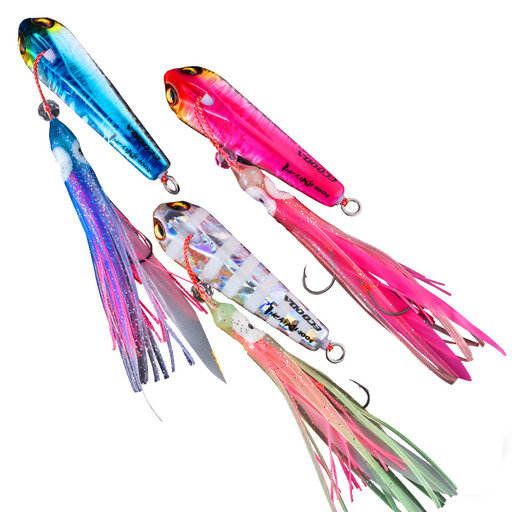
Why This Fits Their Persona: Anglers who prioritise a detailed baitfish appearance can consider this 80g realistic lure for varied casting situations. Its middleweight format may suit shore, reservoir and larger-river tackle when the rod is appropriately rated.
The realistic appearance is not treated as a guarantee of catches. Match the retrieve, depth and colour to local conditions rather than relying on appearance alone.
80g weight; realistic fish-style profile; six colour options.
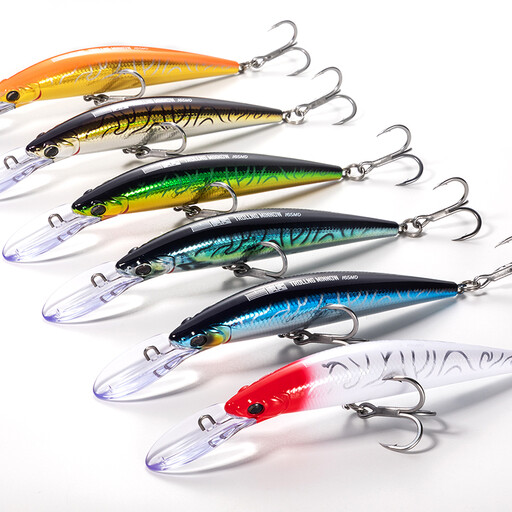
Why This Fits Their Persona: Boat anglers targeting deeper water can consider this 165DD trolling lure. Its listed diving capability of up to 10m and 64g weight are relevant to offshore, deep-water, saltwater and freshwater trolling setups.
Its depth specification is stated in metres, so buyers can compare it with their planned trolling area instead of assuming every “deep” lure reaches the same level.
Up to 10m listed depth; 165mm hard plastic minnow body; SIKE 3509 5X #2 hooks.
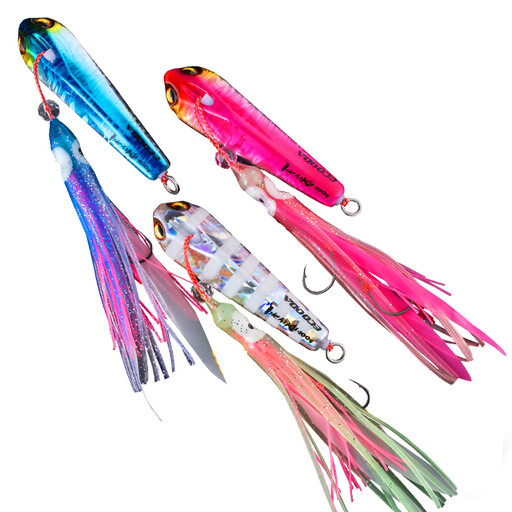
Why This Fits Their Persona: The 80g sinking design is suited to anglers who need a casting lure for open banks, beaches, piers or exposed reservoirs. Its sinking behaviour allows varied retrieve speeds and pauses, subject to local depth and snags.
Sinking does not mean snag-free. Count the lure down carefully, use a controlled retrieve and account for rocks, weed and changing tide.
80g long-cast format; sinking pencil profile; six colour options.
We have compiled a complete, real-time list of products that fully satisfy these strict selection criteria and UK safety regulations.
Several listed designs can be used in saltwater or freshwater contexts, including the 165DD trolling model. Saltwater use requires rinsing with fresh water after each trip, thorough drying and regular inspection of hooks, split rings and the lure body. Always check the specific product information and local fishing rules.
Choose an ECOODA hard lure when you want a shaped minnow, sinking pencil, vibrating or trolling presentation with a defined body. An ECOODA soft lure may suit anglers who prefer a flexible insect or soft-body profile and are prepared to check the required hook or rig arrangement. Compare weight, attachment method and intended water depth before ordering.
Lifespan depends on contact with rocks, pike or other predators, casting impacts, hook wear and saltwater exposure. Rinse saltwater fishing lures after use, dry them fully and store them away from direct sunlight. Replace or service hooks when they are bent, rusty or dull, and do not use a lure if its body or attachment point is damaged.