
24/7 Customer Support

Free returns

Same-day & Next-day Delivery

Quality Guaranteed

Unlock Your Welcome Offers: FREE Delivery | Up to 80% OFF | Free 30-day JoyPlus trial
Download the APP
Choosing an ECOODA EPCB offshore boat rod is not simply a matter of selecting the lightest option or the lowest listed price. Offshore fishing places different demands on equipment than fishing from a riverbank or stillwater: limited deck space, salt spray, boat movement and heavier terminal tackle all affect how a rod performs.
For UK anglers, the right choice should match the type of boat fishing you do, the species you target and the tackle already in your kit. The ECOODA EPCB range may suit customers looking for a light boat rod, but product variants should be checked carefully before ordering.
The word “light” may refer to the product’s overall handling rather than its casting weight, line rating or maximum drag suitability. A lighter rod can be easier to hold during long sessions, but it still needs to cope with your intended rig and fishing conditions.
Before buying, check the product page for:
If these details are not clearly displayed, contact the seller before purchasing rather than relying on the product title alone.
A rod described as an offshore fishing rod or sea fishing rod is intended for a marine environment, but that does not remove the need for maintenance. Salt crystals can collect around guides, reel seats and joints, gradually affecting movement and finish.
A rod for boat fishing should be rinsed with fresh water after use, dried fully and stored in a protective sleeve or case where possible. Avoid putting a wet rod straight into a sealed bag, as trapped moisture can contribute to corrosion on connected metal components.
A striking finish or large promotional image does not tell you whether the rod matches your reel, line or rig. A boat rod that is too long for the vessel may be awkward around other anglers, while one with an unsuitable action can make bite detection or fish control less predictable.
The practical question is not “Which rod looks most powerful?” but “Does this rod suit my boat, tackle and target species?”
A shorter rod is often easier to use from a crowded charter boat, particularly when anglers are fishing shoulder-to-shoulder or moving around a central console. A longer model may provide additional reach, but it can be less convenient on a small vessel.
Compare the working length with the closed length. The closed measurement matters for transport in a car, storage at home and carrying equipment to a harbour or marina.
Rod action describes where the blank bends under load. A faster action tends to bend closer to the tip, while a slower action distributes the bend further down the blank. Neither is automatically suitable for every boat-fishing situation.
Power is a separate consideration. It indicates the general resistance of the rod under load and should be matched to your line, reel and sinker weight. For the ECOODA EPCB range, check the specific listing for its action and power information rather than assuming that all variants have identical specifications.
Guides should be aligned and free from visible damage, while the reel seat should hold your reel securely without excessive movement. These are particularly important on an offshore boat fishing rod, where a secure setup helps reduce tackle interruptions in changing conditions.
After each trip:
These steps support longer service life, but no rod can be guaranteed to remain in perfect condition if it is exposed to repeated impact, incorrect loading or poor storage.
The following ECOODA EPCB listings are presented for different shopping profiles. As the supplied product information identifies each item as an ECOODA EPCB offshore boat rod light, confirm the available length, rating and variant details on the individual page before placing an order.
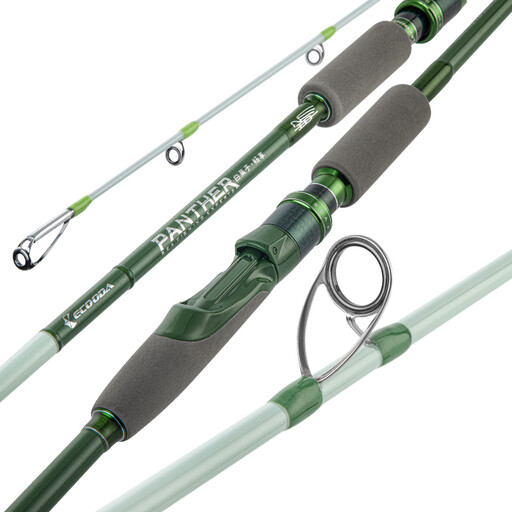
Why This Fits Their Persona: A practical starting point for UK anglers moving from occasional shore fishing to boat fishing and wanting a lightweight sea-fishing rod to build around.
Its product description identifies it as a light offshore boat rod, but buyers should still confirm the rod rating rather than selecting on the title alone.
Lightweight positioning; suitable for shoppers comparing a compact boat-fishing setup.
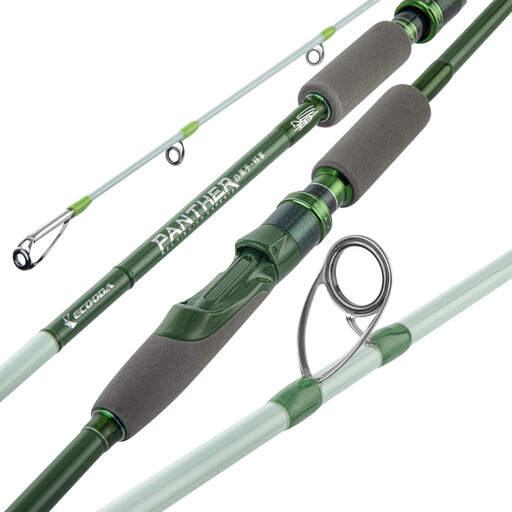
Why This Fits Their Persona: Suits anglers who pay close attention to product presentation, variant information and setup compatibility before ordering offshore fishing gear.
It encourages a specification-led purchase: compare the individual listing with your reel, line and sinker requirements before paying more for any perceived upgrade.
Light rod format; individual product page allows direct checking of current variant information.
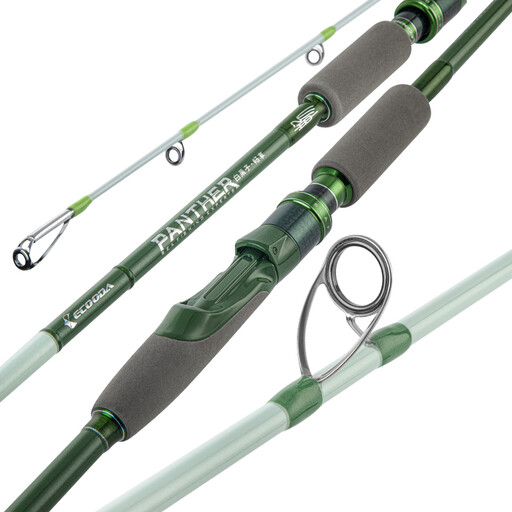
Why This Fits Their Persona: A listing to consider for frequent boat anglers who know their target species, fishing depth and terminal tackle requirements.
Frequent users should verify line and weight limits first, helping prevent overloading a light boat rod with unsuitable rigs.
Designed and listed for offshore boat use; lightweight format may help reduce fatigue during extended sessions.
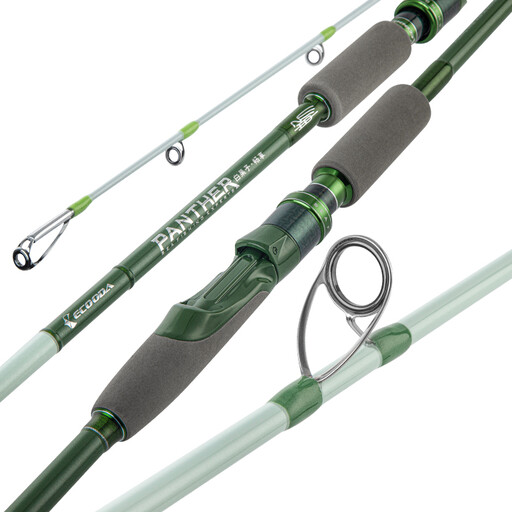
Why This Fits Their Persona: A useful comparison point for anglers who carry rods in a vehicle, store gear in limited space or fish from smaller UK boats.
Check the closed length and section arrangement to avoid buying a rod that is difficult to transport or awkward to store.
Lightweight product description; suitable for shoppers prioritising manageable boat-fishing gear.
Pair the rod with a reel that fits its reel seat and is appropriate for saltwater use. The line, leader, swivel, sinker and hook arrangement should remain within the rod’s published limits. If you fish from a charter boat, ask the skipper about typical depths, sinker weights and target species before selecting a setup.
A rod can be damaged by lifting fish solely from the tip, striking the blank against the gunwale or forcing sections apart when they are wet or gritty. Store it horizontally or in a suitable rod rack, away from direct heat.
It may suit beginners looking for a lightweight boat rod, provided the specific variant matches the intended line and sinker setup. Confirm the full technical details before ordering, particularly if you are new to offshore fishing.
Service life depends on frequency of use, loading, transport and saltwater maintenance. Rinsing the rod after each trip, drying it properly and checking joints and guides can help identify wear before it becomes a larger problem.
The rod itself does not normally have an ongoing running cost. Regular expenses come from replacement line, leaders, hooks, swivels and sinkers. Good care may reduce avoidable replacement costs, but consumables still depend on how often and where you fish.