
24/7 Customer Support

Free returns

Same-day & Next-day Delivery

Quality Guaranteed

Unlock Your Welcome Offers: FREE Delivery | Up to 80% OFF | Free 30-day JoyPlus trial
Download the APP
Choosing among ECOODA fishing rods is less about selecting the rod with the longest feature list and more about matching its design to your water, target species and tackle. A rod suited to casting bass lures from a rocky shoreline may feel unsuitable for delicate trout work, while a specialist tenya rod may not be practical for everyday freshwater fishing.
This guide highlights common buying traps, the specifications worth checking and a selection of ECOODA models for different UK angling profiles.
“Multi-purpose” can mean different things. A rod described for freshwater and saltwater use may offer useful flexibility, but it still needs a suitable casting range, action and power for your chosen technique. A sea bass fishing rod designed for lures is not automatically appropriate for carp rigs, float fishing or heavy boat work.
Before buying, identify whether you mainly fish:
Carbon construction can help keep a rod light and responsive, but “carbon” alone does not tell you its action, strength or durability. The quality and positioning of the guides, reel seat, joints and handle also affect day-to-day use.
For example, a rod listed with Fuji SIC guides may appeal to lure anglers, but you should still check the advertised line and lure ratings. Those figures provide more practical information than the guide material alone.
A long-cast sea fishing rod can be useful from beaches and piers, yet a long blank may be awkward to carry on public transport or store at home. A two-piece fishing rod offers a shorter transport length, but the ferrule should be assembled correctly and checked regularly.
Saltwater is another consideration. Even when a rod is listed for saltwater fishing, rinse the blank, guides and reel seat with fresh water after use. Allow the rod to dry fully before storage. This routine helps remove salt residue and reduces the risk of corrosion on connected tackle.
Longer rods can help with casting distance and line control, particularly from open beaches or banks. However, length also affects leverage, balance and portability. Check both the fishing length and the packed length if you regularly walk to a mark or travel by car.
A two-section design can be a practical compromise for UK anglers. It is easier to transport than a one-piece blank while retaining a conventional fishing length when assembled.
Action describes where the blank bends under load. A faster action generally concentrates more flex towards the upper section, which can help with lure control and direct contact. A more progressive action bends further down the blank and may feel smoother when playing fish.
Power indicates the general load the rod is designed to handle. Match this with your target species, lure weight, line and likely conditions. A light freshwater fishing rod should not be treated as a heavy saltwater fishing rod simply because both are made from carbon.
Always check the manufacturer or seller’s stated lure weight, line rating and recommended use before purchasing. If these figures are not shown on a listing, confirm them before committing to the order.
Guides should be aligned before fishing, and the line should pass cleanly through each ring. A listing that specifies Fuji SIC guides identifies a particular guide type, but anglers should still inspect the full specification and maintain the guides after use.
On a two-piece rod, push the sections together firmly without twisting aggressively. Inspect the joint for grit or damage and avoid forcing a section apart if it has become stuck. These simple checks are particularly important after muddy bank sessions or saltwater trips.
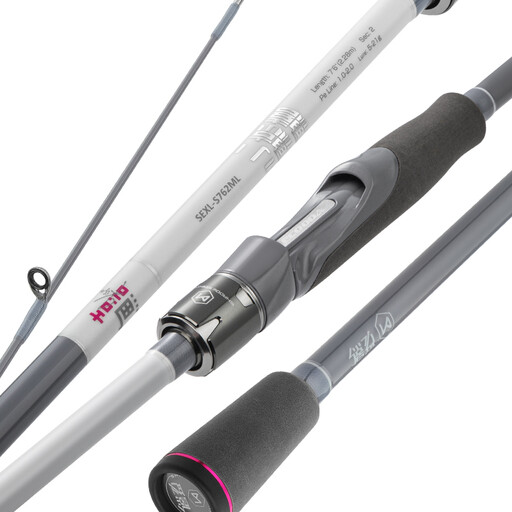
Why This Fits Their Persona: A versatile option for anglers building one lure setup for bass, trout and carp applications across UK waters.
Its listed lure-rod format makes the intended use clearer than a generic rod description. Check the casting figures before pairing it with heavier lures.
Carbon lure-rod construction; listed Fuji SIC guides and O-ring guide design.
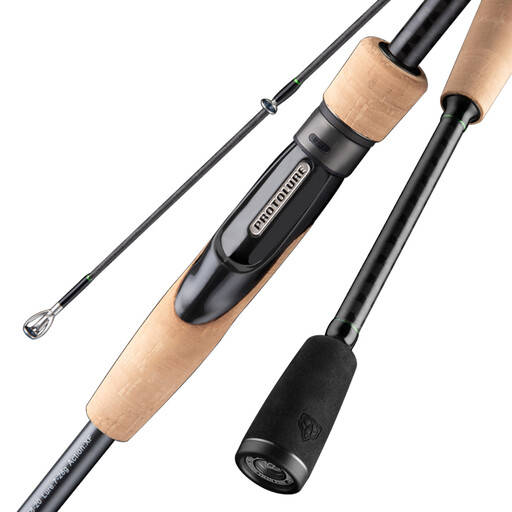
Why This Fits Their Persona: Suits anglers who want a dedicated sea bass fishing rod that can also be used in suitable freshwater settings.
The two-section format helps with transport, while the stated freshwater and saltwater application gives a clearer starting point for comparison.
Two-section construction; listed for freshwater and saltwater fishing.
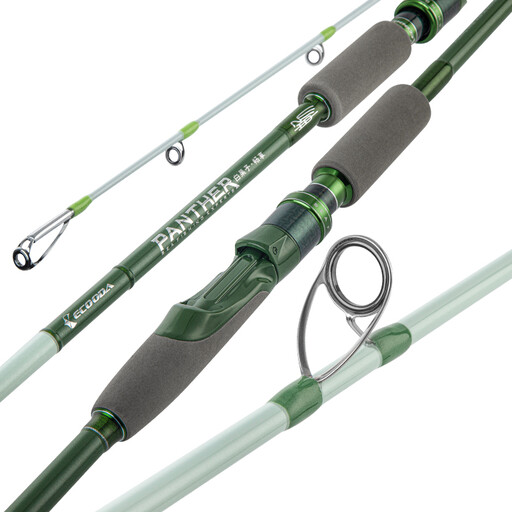
Why This Fits Their Persona: Designed for anglers prioritising a lightweight long-cast fishing rod for sea marks, piers or boat sessions.
The listing identifies both sea fishing and long-cast use, helping you separate it from shorter freshwater or close-range rods.
Lightweight format; long-cast and boat-fishing positioning.
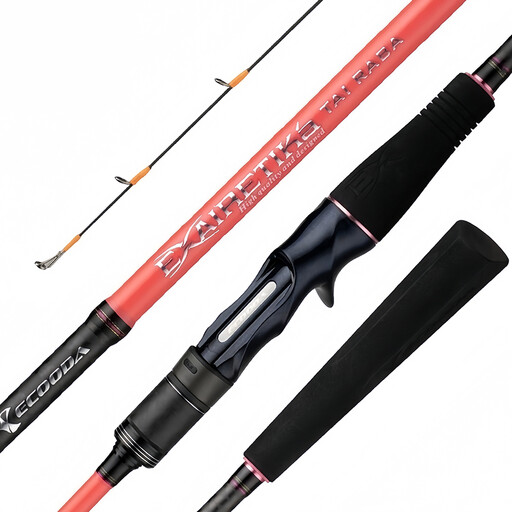
Why This Fits Their Persona: A targeted choice for anglers who specifically fish rubber jigs, Tai rubber rigs or tenya-style techniques rather than seeking a general-purpose blank.
Its specialist name makes the intended technique explicit, reducing the risk of buying a general sea rod for a specialised presentation.
Specifically listed as a rubber jig fishing rod; positioned for tenya game.
For bass, start with lure weight, action and saltwater suitability. For bream, compare the rod’s sensitivity and rig compatibility with the size of tackle you normally use. The ECOODA Protolure CC Two-Piece Sea Bream Rod is listed for both freshwater and saltwater fishing and may suit anglers who want a dedicated bream-oriented option with easier transport.
For trout and lighter freshwater lure work, avoid choosing solely by blank length. A rod that is too powerful can make light lures harder to cast and reduce the feel of smaller fish. Carp anglers should instead prioritise the stated test curve or power information, reel compatibility and the type of water being fished.
After each saltwater session, rinse the rod with clean water, dry it and store it away from direct heat. Do not leave sand around the ferrule or guides, as abrasive particles can affect joints and line movement.
We have compiled a complete, real-time list of products that fully satisfy these strict selection criteria and UK safety regulations.
Some listed models are specifically described for freshwater and saltwater use, including selected Protolure CC rods. Suitability still depends on the lure, line and target species. Rinse the rod with fresh water after saltwater use and check the product details for its intended application.
Yes, a two-piece design is often convenient for transport and storage, particularly when walking to a mark or travelling by car. Assemble the sections securely, keep the ferrule clean and inspect the joint regularly for grit, wear or looseness.