
24/7 Customer Support

Free returns

Same-day & Next-day Delivery

Quality Guaranteed

Unlock Your Welcome Offers: FREE Delivery | Up to 80% OFF | Free 30-day JoyPlus trial
Download the APP
For runners, gym-goers and active adults, electrolyte recovery sachets offer a convenient way to prepare a measured drink without carrying a large tub of powder. However, attractive packaging and broad claims can make it difficult to compare products properly.
The most useful choice depends on what you want from the drink: electrolyte replenishment during exercise, a low-sugar hydration option or a broader post-workout recovery formula. Before buying, check the label rather than relying on phrases such as “advanced hydration” or “performance support”.
A bright fruit flavour does not indicate how much sodium, potassium or magnesium a product contains. Some hydration sachets provide only a small quantity of minerals, while others are formulated for use after heavier sweating. Compare the amount per sachet, not just the ingredient list.
Sodium is particularly important to check because quantities vary considerably between electrolyte powder products. A sachet designed for everyday hydration may suit a short gym session, while a longer run or outdoor activity may prompt you to look for a formula with a clearly stated sodium content.
Sugar-free electrolytes can be useful for people limiting added sugar, but sweeteners and flavourings still differ between products. Stevia, sucralose and other sweeteners may have distinct tastes, so check the ingredients if you have a preference or sensitivity.
Also consider whether the drink contains carbohydrates at all. An electrolyte supplement may contribute to fluid and mineral intake, but it is not automatically a replacement for food or a carbohydrate drink during prolonged exercise.
A sachet can contain more than electrolytes. Vitamins, amino acids, botanical extracts and minerals may also be included. Taking several sports hydration supplements together can lead to unnecessary duplication, particularly where products contain vitamin C, vitamin B6, magnesium or potassium.
Read the serving instructions carefully. Check the recommended water volume, daily limit and warnings, especially if you are pregnant, taking medication or managing a health condition.
Look for a transparent nutrition panel showing sodium, potassium, magnesium, calcium and chloride per serving. These minerals are commonly lost in sweat, although individual requirements vary with exercise duration, temperature, sweat rate and diet.
For example, Zooki Electrolytes provides 1,000 mg sodium, 200 mg potassium, 100 mg magnesium and 50 mg calcium per 7.9 g sachet. Science in Sport Hydro+ lists 350 mg sodium, 300 mg potassium, 56.25 mg magnesium, 120 mg calcium and 750 mg chloride per 4.3 g serving. These figures make the products easier to compare than vague “multi-electrolyte” wording.
A practical sachet should dissolve in the amount of water you are likely to carry or access. Zooki recommends mixing one sachet with 500–1,000 ml of water, while Science in Sport Hydro+ specifies 500 ml. A larger dilution can create a lighter taste, which may be preferable during a long training session.
Single-serve packaging is useful for commuting, races, hiking and keeping a portion in a gym bag. Nevertheless, compare the number of sachets per box and the recommended daily serving to understand the ongoing cost.
If you are selecting a post-workout recovery drink, decide whether you need electrolytes alone or a wider formula. Zooki contains no sugar and includes 500 mg L-glutamine, beetroot powder and 80 mg vitamin C per sachet. Science in Sport Hydro+ includes vitamins C, B6 and B12 alongside its mineral blend.
Cadence Recovery Sachets contain electrolytes, amino acids, vitamin B6, zinc, ashwagandha and valerian root extract. These additional ingredients make checking the full label particularly important. Product descriptions should not be treated as medical advice, and dietary supplements should complement a varied diet rather than replace it.
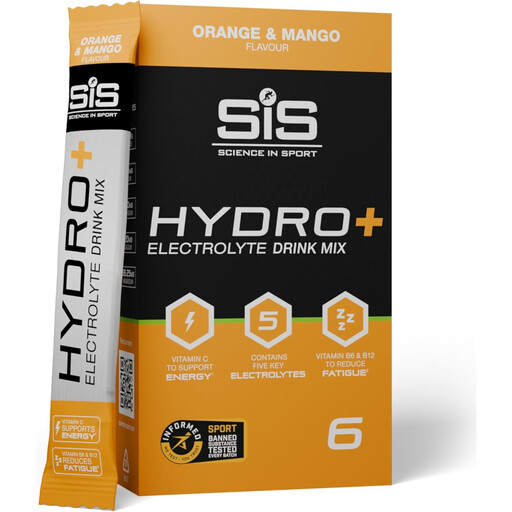
Why This Fits Their Persona: The six-sachet box provides a manageable way to try electrolyte powder for gym sessions, commuting or occasional runs without committing to a larger pack.
The label states the mineral and vitamin quantities per 4.3 g serving, so buyers can assess the formula rather than relying on general hydration wording.
Contains sodium, potassium, calcium, magnesium and chloride, plus vitamins C, B6 and B12; designed to dissolve in 500 ml of cold water.
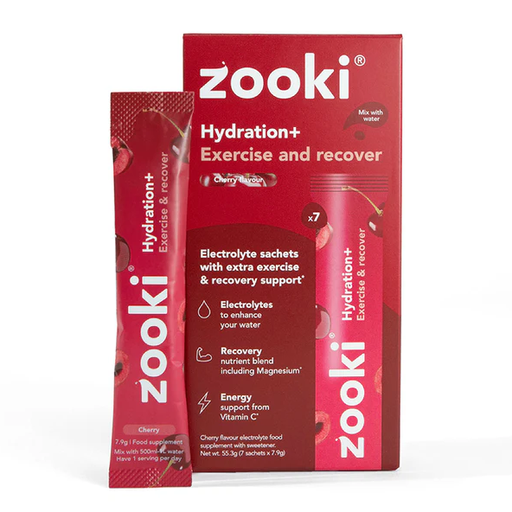
Why This Fits Their Persona: A 20-sachet format suits people training frequently who want a sugar-free cherry flavoured recovery supplement with several additional components in one serving.
It clearly lists 1,000 mg sodium per sachet and states zero sugar, helping buyers distinguish mineral content from flavour-led packaging.
Provides five listed electrolytes, 500 mg L-glutamine, beetroot powder and 80 mg vitamin C; one sachet contains 5 kcal and 0 g sugar.
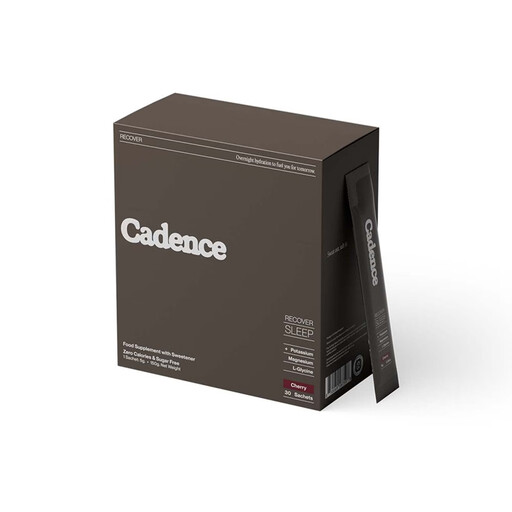
Why This Fits Their Persona: This larger pack is suited to active adults seeking a post-workout recovery drink that combines minerals with amino acids and selected botanical extracts.
Its detailed ingredient panel identifies each amino acid, mineral, vitamin and botanical extract, allowing buyers to check suitability before purchase.
Each 5 g sachet lists 100 mg sodium, 100 mg potassium, 50 mg magnesium, 14 mg vitamin B6 and 2 mg zinc, with no listed sugar.
We have compiled a complete, real-time list of products that fully satisfy these strict selection criteria and UK safety regulations.
Follow the product label and dissolve the stated serving in the recommended quantity of water. For example, Science in Sport Hydro+ is prepared in 500 ml of cold water, while Zooki allows 500–1,000 ml. Shake or stir until dissolved and consume during or after exercise as directed.
Powder sachets have a labelled best-before date rather than a fixed lifespan after purchase. Store unopened sachets in a cool, dry place away from sunlight and moisture. Once opened, use the full serving promptly and do not keep partially used powder exposed to humid air.
The cost depends on the price per box, sachet quantity and your actual usage. Divide the pack price by the number of sachets to compare products fairly. A six-pack may be practical for occasional use, whereas a 20- or 30-sachet box can be more convenient for regular training. Always follow the stated daily limit rather than increasing servings to reduce the cost per drink.
Check the product label before consumption, particularly for allergens, sweeteners, vitamin levels and warnings. If you take medication or have a medical condition, seek appropriate healthcare advice before using sports hydration supplements.