
24/7 Customer Support

Free returns

Same-day & Next-day Delivery

Quality Guaranteed

Unlock Your Welcome Offers: FREE Delivery | Up to 80% OFF | Free 30-day JoyPlus trial
Download the APP
A face moisturiser can make skin feel comfortable, smoother and less tight, but choosing the wrong formula may leave you greasy, dry or irritated. The product with the most impressive claims is not automatically the right facial moisturiser for your routine.
For UK shoppers, the main challenge is matching texture, ingredients and protection to changing conditions. Cold weather, indoor heating and damp outdoor air can all affect how skin feels. Before buying a hydrating face cream, consider these common pitfalls.
A thick cream may feel nourishing on dry skin, but it can feel uncomfortable on oily or combination complexions. Conversely, a light gel may be pleasant in summer but insufficient for very dry skin during colder months.
Look for a texture that suits your skin’s behaviour rather than judging the product by how luxurious it feels in the jar.
A moisturiser may make pores appear less noticeable by smoothing rough texture or reducing excess shine. However, pores are a natural feature of skin. A pore-minimising moisturiser should be assessed by its finish, oil balance and compatibility with your routine, not by expectations of permanently changing pore size.
An SPF day cream can provide useful everyday protection, but its protection level depends on how much is applied and whether it is reapplied. SPF 15 or SPF 20 may not be sufficient for prolonged outdoor exposure, holidays or strong sunlight. For extended exposure, use a dedicated broad-spectrum sunscreen according to its label.
Ingredients near the beginning of an INCI list are generally present in higher proportions, although the list alone does not predict how your skin will react. Glycerin, sodium hyaluronate and hyaluronic acid are commonly used to attract moisture, while dimethicone, squalane and ceramides can help reduce the feeling of moisture loss.
If you are looking for an anti-ageing moisturiser, focus on practical features such as hydration, skin feel and ingredients including niacinamide or adenosine. Avoid treating cosmetic claims about wrinkles, elasticity or firmness as medical outcomes.
Fragrance, essential oils and denatured alcohol can be unsuitable for some sensitive users. They are not automatically problematic for everyone, but a patch test is sensible when trying a new product.
A night cream can be richer because it does not need to sit comfortably under make-up or sunscreen. A daytime moisturiser may need a faster-absorbing finish. If you prefer one product, choose a versatile formula and add a separate sunscreen when required.
Apply moisturiser to clean skin as the final step of your skincare routine, unless the product directions state otherwise. Introduce one new product at a time, particularly if you already use exfoliating acids or retinoid products.
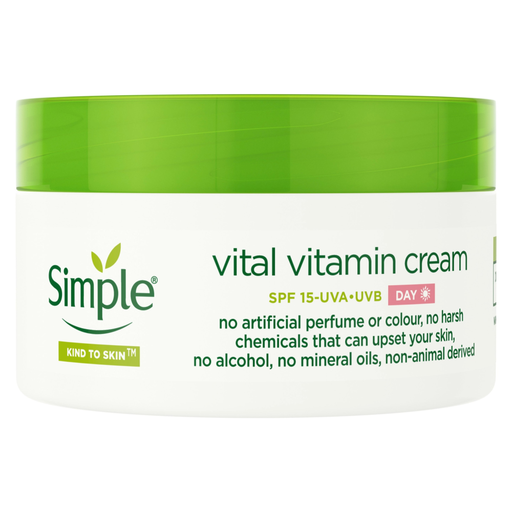
Why This Fits Their Persona: A practical starting point for shoppers wanting morning hydration and light SPF in one familiar daily product.
Its lightweight, fragrance-free formula avoids the heavy feel some users associate with richer creams. SPF 15 should still be supplemented for extended sun exposure.
Includes glycerin, pro-vitamin B5, vitamin E and bisabolol; described as hypoallergenic and non-comedogenic.
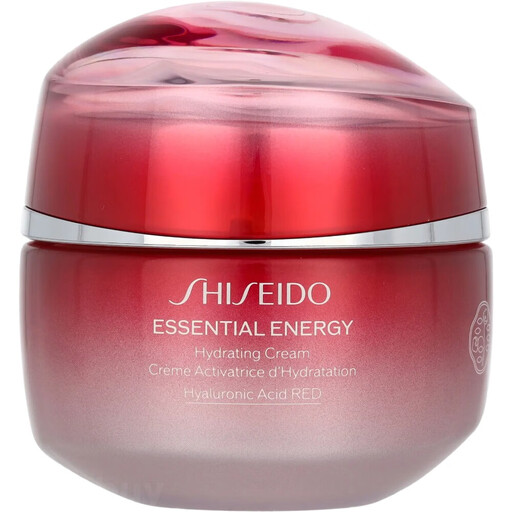
Why This Fits Their Persona: Suits shoppers seeking a more refined daily cream with a fast-absorbing finish for morning and evening use.
The product details identify it as non-comedogenic and suitable for all skin types, while the refillable design offers an alternative to replacing the full jar.
Contains glycerin, betaine and hyaluronic acid derivatives; the 50 ml jar has a refillable format.
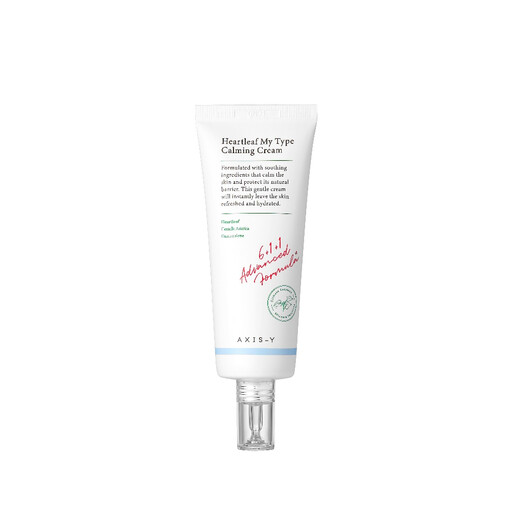
Why This Fits Their Persona: A suitable option for users who prefer a lightweight Korean face cream for oily, combination, sensitive or acne-prone routines.
The water-based gel-cream texture is designed to absorb without a greasy residue, helping avoid the overly rich feel that can be unpopular on oilier skin.
Features heartleaf, centella asiatica, glycerin, sodium hyaluronate and allantoin; the product information describes it as non-comedogenic.
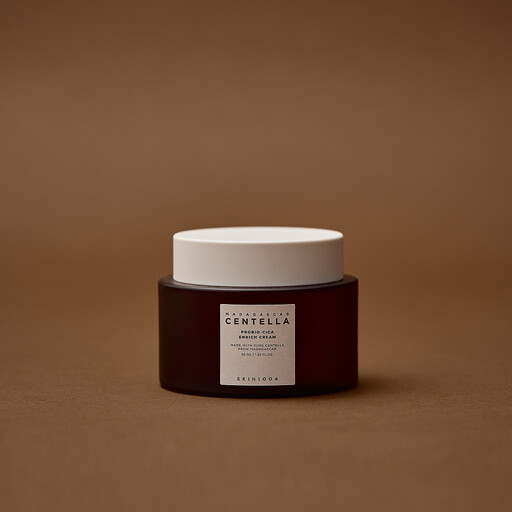
Why This Fits Their Persona: Designed around a richer barrier-care approach for people whose skin feels dry, tight or easily unsettled by weather and active products.
It provides a clearly richer option rather than asking very dry skin to rely on a thin gel. Users who dislike heavy creams should apply a smaller amount first.
Includes ceramide NP, squalane, glycerin, centella-derived ingredients and plant oils.
We have compiled a complete, real-time list of products that fully satisfy these strict selection criteria and UK safety regulations.
Yes, provided the texture suits your skin and the product directions allow it. In the morning, add sunscreen when needed. At night, you may prefer a richer formula, particularly if your skin feels tight after cleansing.
Shelf life varies by product, packaging and storage. Follow the period-after-opening symbol and the information printed on the packaging. Keep the jar or tube closed, away from direct sunlight and excessive heat. Changes in smell, colour or texture are reasons to stop using the product.
Often, yes. Oily skin can still feel dehydrated, and skipping moisturiser may make a routine uncomfortable. Choose a lightweight, non-comedogenic moisturiser where appropriate, introduce active ingredients gradually and stop use if irritation develops. Persistent or painful skin concerns should be discussed with a qualified healthcare professional.