
24/7 Customer Support

Free returns

Same-day & Next-day Delivery

Quality Guaranteed

Unlock Your Welcome Offers: FREE Delivery | Up to 80% OFF | Free 30-day JoyPlus trial
Download the APP
Choosing the right home lighting can feel surprisingly complicated. It’s not just about finding a bulb that fits; it’s about creating the right atmosphere, ensuring functionality and not wasting money on products that fail to deliver. As a Joybuy Product Recommendation Officer, I see where shoppers often go wrong, misled by confusing packaging or overhyped features. This guide will help you navigate the common pitfalls and make informed choices for your home.
Before you add anything to your basket, be aware of these frequent mistakes that lead to disappointment and wasted expense.
To avoid the traps above, focus on these three non-negotiable specifications. Getting these right is the foundation of successful home lighting.
Most UK homes use one of three main types of bulb fittings. Always check your existing fixture before purchasing a replacement.
The "colour" of white light is measured in Kelvin (K). This single number determines the entire mood of a room.
With modern energy efficient bulbs, the wattage no longer tells you how bright a bulb is. Instead, look for lumens (lm).
Here are a few lighting solutions matched to different needs, helping you find the right product without the guesswork.
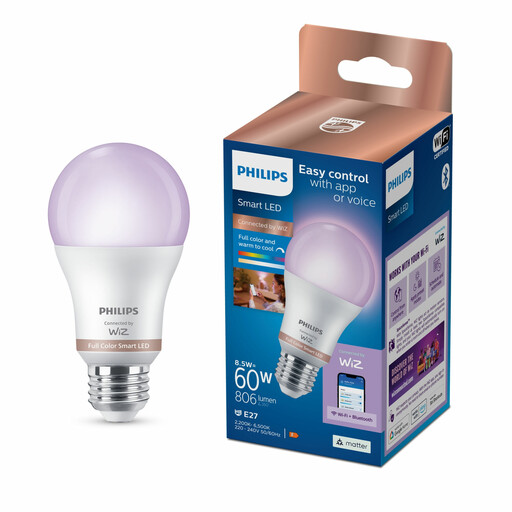
Why This Fits Their Persona: For the tech-savvy user who wants ultimate control over their home's ambiance. This bulb connects directly to Wi-Fi, allowing for full colour and temperature control from a smartphone app, perfect for setting scenes, scheduling and automation without needing a separate hub.
It completely bypasses the colour temperature trap by offering millions of colours and a full warm-to-cool white spectrum. Dimming is handled via the app, eliminating physical dimmer switch compatibility issues.
Hub-free setup for instant smart control. Automate lighting schedules for convenience and energy savings.
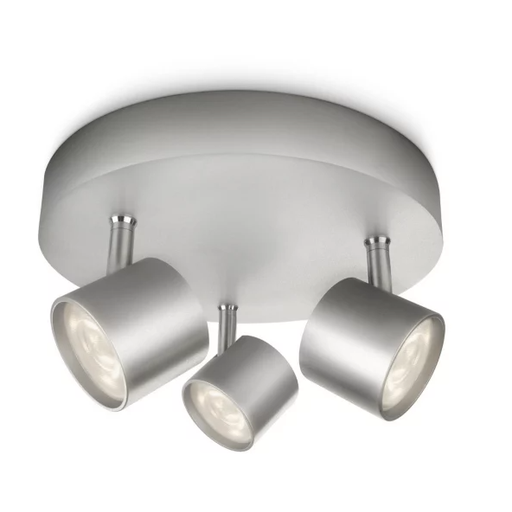
Why This Fits Their Persona: Ideal for a DIY enthusiast or homeowner updating a kitchen or living area. This is a complete, durable metal fixture with three adjustable heads, providing focused, warm white task lighting exactly where it's needed.
As an integrated unit, there's no risk of buying mismatched bulbs. The warm white colour is specified, and the unit is designed to be dimmable (with a compatible switch), providing flexibility without the guesswork.
Durable metal construction for longevity. Three adjustable spot heads allow for precise light direction.
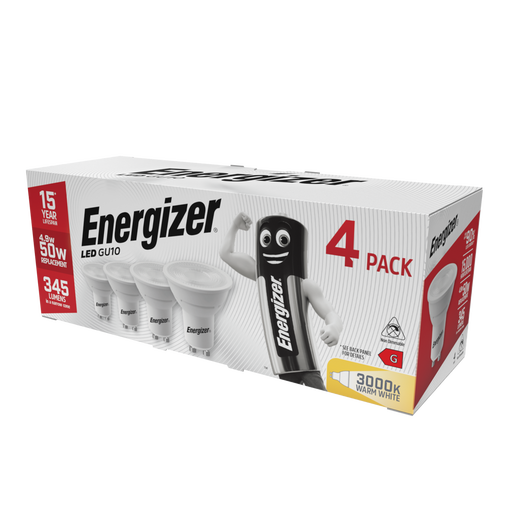
Why This Fits Their Persona: For anyone needing a straightforward, cost-effective replacement for common GU10 spotlights. This multi-pack offers great value, and the energy-efficient LED design helps lower electricity bills over time.
The product is clearly labelled with its GU10 fitting, Warm White colour and Non-Dimmable status. This clarity prevents all three common pitfalls, ensuring you get exactly what you need for a standard fixture.
Significant energy savings compared to 50W halogen equivalents. Multi-pack provides excellent value for money.
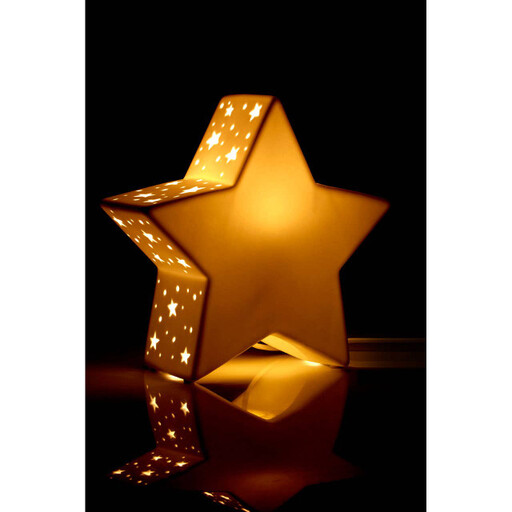
Why This Fits Their Persona: For parents looking to add a gentle, reassuring glow to a child's bedroom. This is not for general illumination but is one of the most popular **kids night lights** for creating a soothing environment that helps with bedtime routines.
This is a self-contained decorative lamp, so there are no fittings or bulbs to mismatch. Its purpose is to provide a soft glow, inherently avoiding the harshness of the wrong colour temperature for a bedroom.
Made from durable porcelain with a charming design. The in-line switch makes it easy for parents to operate.
We have compiled a complete, real-time list of products that fully satisfy these strict selection criteria and UK safety regulations.
1. How much does it cost to run LED lights in the UK? The running cost is exceptionally low. A typical 5W LED bulb (equivalent to an old 50W halogen) used for 5 hours a day would cost approximately ?1.55 per year to run, based on an electricity rate of 34p per kWh. This makes switching to energy efficient bulbs one of the easiest ways to reduce household bills.
2. Can I use an LED bulb in any fixture? Mostly, yes, provided the fitting (e.g., B22, E27) and voltage match. However, the two main exceptions are dimmer switches and enclosed fixtures. If you have a dimmer, you must use a "dimmable" LED bulb. For fully enclosed fixtures (like some outdoor or bathroom lights), check that the bulb is rated for such use, as heat build-up can shorten its lifespan.
3. What is the difference between a B22 and E27 bulb? The difference is simply the base. A B22 bayonet bulb has a smooth base with two small pins that you push in and twist to lock into the socket. An E27 screw bulb has a threaded metal base that you screw into the socket. They are not interchangeable, so always check your fitting before you buy.