
24/7 Customer Support

Free returns

Same-day & Next-day Delivery

Quality Guaranteed

Unlock Your Welcome Offers: FREE Delivery | Up to 80% OFF | Free 30-day JoyPlus trial
Download the APP
As a parent or guardian, your child's safety is the top priority. When they are out on their bike, scooter or skateboard, a reliable helmet is the most important piece of equipment they will wear. But with so many options available, choosing the right kids bike helmet can feel overwhelming.
This guide is designed to cut through the clutter. We will walk you through the essential features to look for, explain key safety standards and present some of our top recommendations to help you make a confident choice for your child.
Finding the perfect helmet goes beyond just picking a favourite colour. Consider these practical points to ensure you are selecting a helmet that offers proper protection and comfort.
The single most important factor for any child's safety helmet is the fit. A helmet that is too loose can shift during an impact, failing to protect the head correctly. A helmet that is too tight will be uncomfortable and your child will be reluctant to wear it.
Before you shop, use a soft measuring tape to measure the circumference of your child's head, about one inch above their eyebrows. Look for an adjustable kids helmet with a rear dial system. This allows you to fine-tune the fit for a snug, secure feel that can adapt as your child grows. The straps should form a 'Y' shape just below the earlobes, and you should only be able to fit one or two fingers between the chin strap and their chin.
While many helmets are versatile, it is worth considering what your child's main activities will be. A standard children's cycle helmet is designed to be lightweight, well-ventilated and protect against the kind of impacts common in cycling. These are often suitable as a kids scooter helmet as well.
For more adventurous activities like BMX, dirt biking or downhill mountain biking, you might consider a full face kids helmet. These offer extended coverage around the jaw and chin, providing additional protection for higher-risk sports. Many modern helmets are certified for multiple sports, offering a great all-in-one solution.
Beyond the basic fit and type, several features can make a helmet safer and more enjoyable to wear.
Based on features that prioritise safety, comfort and versatility, here are some standout options for children aged 5-13.
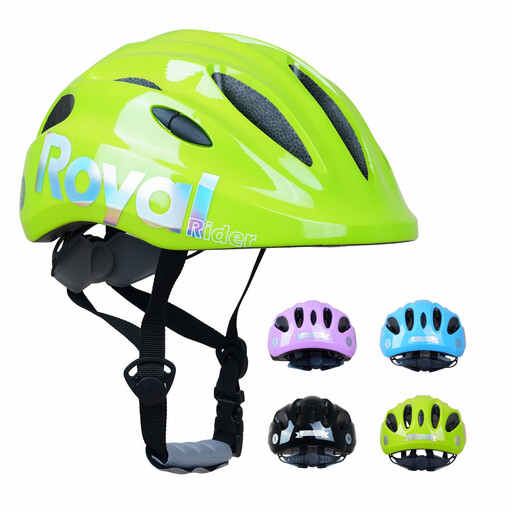
Why It Stands Out: This helmet is an excellent all-rounder, offering robust protection in a very lightweight package. Its multi-sport design makes it a practical choice for kids who switch between their bike, scooter and skateboard.
Pros:
Who is it for? This is a great choice for parents seeking a single, reliable helmet to cover a wide range of everyday outdoor activities.
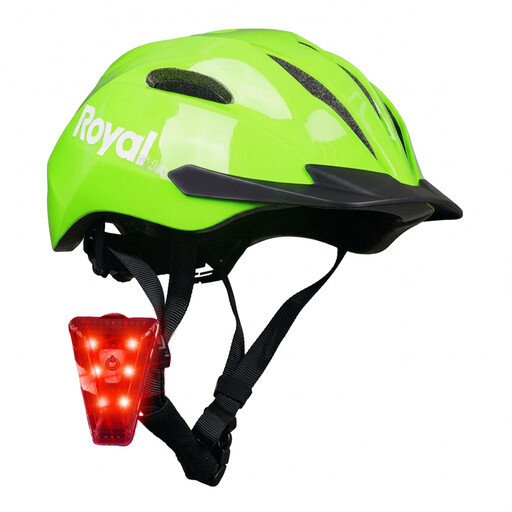
Why It Stands Out: The integrated rear LED light is the key feature here, providing a significant boost in visibility for added safety in low-light conditions.
Pros:
Who is it for? An ideal option for families who often ride in the early morning or late afternoon, or for any parent wanting an extra measure of visibility.
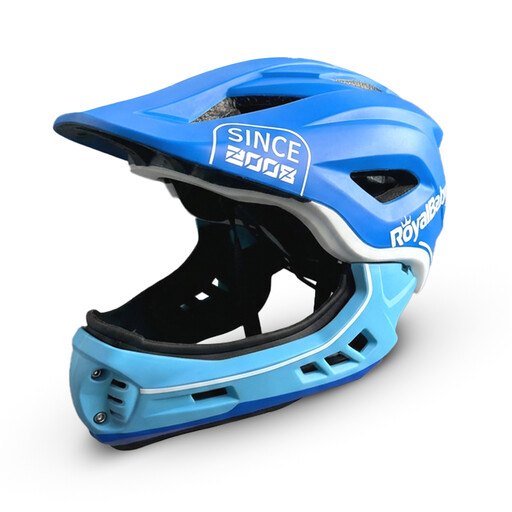
Why It Stands Out: This helmet's 2-in-1 convertible design offers unparalleled versatility. Use it as a standard helmet for casual rides or attach the chin bar for full-face protection during more demanding sports.
Pros:
Who is it for? Perfect for the adventurous child who enjoys everything from scootering around the park to tackling BMX tracks or bike trails.
While these helmets represent excellent choices for safety and versatility, every child's needs are different. If you are looking for other styles or specialised cycling equipment, you can browse a wider selection.
For a broader collection of cycling gear and accessories, explore our full range of Road Cycling Parts.
1. How often should I replace my child's bike helmet? You must replace a helmet after any crash or significant impact, even if there is no visible damage, as its protective structure may be compromised. Otherwise, it is generally recommended to replace a helmet every 3-5 years due to the natural degradation of materials. You should also replace it immediately once your child has outgrown it.
2. Can my child use their bike helmet for skateboarding? It depends on the helmet's certification. Many modern multi-sport helmets are certified for both activities. However, a helmet designed only for cycling (certified to EN 1078 in the UK/EU) is optimised for a single, forward-motion impact. Skateboarding involves different types of falls, and a dedicated skate helmet is designed to withstand multiple, lower-energy impacts from various directions. Always check the product's stated use and certifications.
3. What is the most important feature in safe helmets for children? While features like lights and ventilation add value, the single most critical feature is a correct and secure fit. An ill-fitting helmet cannot provide adequate protection in an accident. Always ensure the helmet sits level and snug on your child's head and that the straps are properly adjusted and fastened before every ride.