
24/7 Customer Support

Free returns

Same-day & Next-day Delivery

Quality Guaranteed

Unlock Your Welcome Offers: FREE Delivery | Up to 80% OFF | Free 30-day JoyPlus trial
Download the APP
As a parent or guardian, your child's safety is the top priority. When they’re racing down the pavement on a bike, mastering a new trick on their scooter, or finding their balance on a skateboard, a reliable helmet is non-negotiable. But with so many activities comes a challenge: finding one helmet that provides proper protection for all of them.
A dedicated kids multi-sport safety helmet is designed to meet this need, offering a versatile and cost-effective solution. This guide is here to help you navigate the important features to look for and present some carefully selected options that prioritise safety, comfort and adjustability for growing children.
Choosing the right helmet can feel overwhelming. To simplify the process, focus on these three key areas to ensure you are getting a secure and durable product.
A helmet is only effective if it fits correctly. A helmet that is too loose can shift during an impact, while one that is too tight will be uncomfortable and likely rejected by your child. Look for an adjustable kids helmet with a dial-fit system at the back. This allows you to fine-tune the circumference for a snug, secure fit that can adapt as your child grows. Adjustable chin straps are also essential for keeping the helmet firmly in place. Always measure your child's head circumference before purchasing to match it with the manufacturer's sizing guide.
In the UK, helmets for cycling and skating should meet specific safety standards. Look for a label inside the helmet indicating it is certified to EN 1078. This standard ensures the helmet has passed tests for shock absorption, construction and field of vision.
For an additional layer of protection, you might consider a MIPS helmet for kids. MIPS, or the Multi-directional Impact Protection System, is a low-friction layer inside the helmet designed to reduce rotational forces on the head during certain angled impacts. While not a mandatory feature, it is a technology many parents seek out for added peace of mind.
While a standard child's bike helmet is great for cycling, a multi-sport model is often built to withstand the different types of impacts common in activities like skateboarding. For more adventurous children involved in BMX or dirt biking, a convertible full-face helmet offers enhanced protection for the chin and face, with a detachable chin bar for when less coverage is needed. Some models also include a helmet with light for children, a useful feature for improving visibility during evening rides.
Here are a few multi-sport helmets that offer a strong combination of safety features, adjustability and child-friendly design.
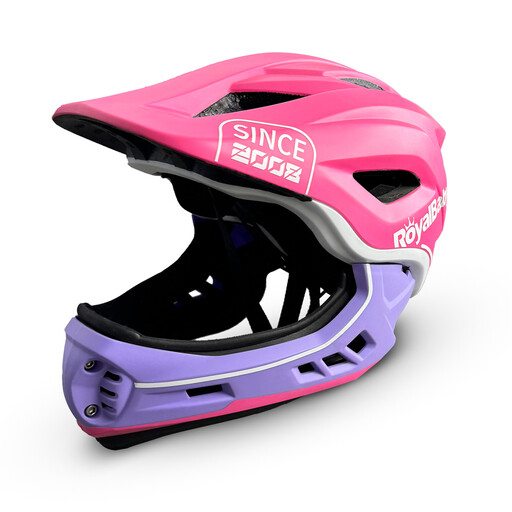
Why It Stands Out: This helmet’s standout feature is its 2-in-1 convertible design. The detachable chin bar allows it to function as a full-face helmet for maximum protection or as a standard half-helmet for more casual activities, offering exceptional versatility.
The design incorporates a high-strength PC outer shell and a built-in light on the rear adjustment dial, enhancing visibility in low-light conditions. With multiple air vents and a washable liner, it balances comprehensive protection with comfort.
Pros:
Who is it for? This is an excellent choice for parents of children aged 5-13 who engage in a wide range of activities, from scootering to more demanding sports like BMX or mountain biking, where full-face protection is beneficial.
View Product Details for the RoyalBaby Convertible Helmet
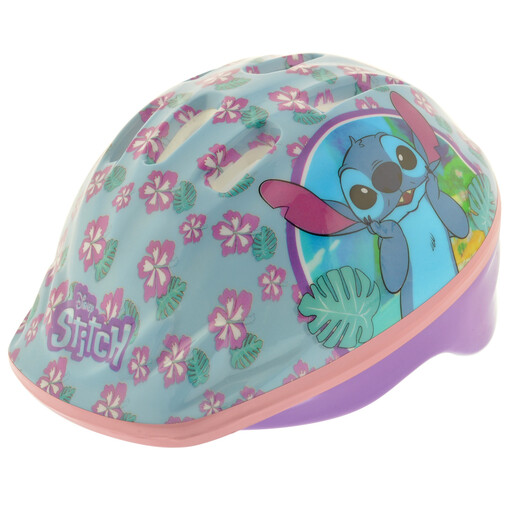
Why It Stands Out: Sometimes, the biggest safety feature is one that encourages a child to actually wear the helmet. The officially licensed Disney Stitch design is bright, fun and highly appealing to younger children, making pre-ride preparations much smoother.
Beyond its looks, this helmet is built with a durable but lightweight EPS inner material. The ventilated shell helps keep little heads cool and the combination of a rear size dial, removable pads and an adjustable chin strap ensures a secure fit for growing kids.
Pros:
Who is it for? Ideal for younger children (from age 4) who might be reluctant to wear a plain helmet. It’s a great option as a first toddler scooter helmet or for general cycling and skating.
View Product Details for the Stitch Safety Helmet
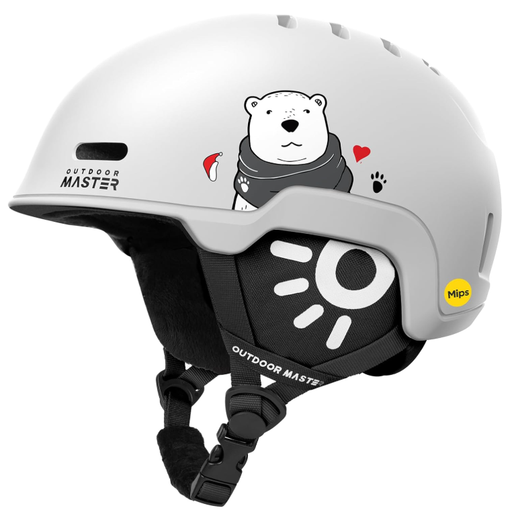
Why It Stands Out: This helmet’s primary advantage is the inclusion of the MIPS (Multi-directional Impact Protection System). This technology is engineered to manage rotational forces during certain impacts, providing an advanced level of head protection that many safety-conscious parents look for.
Though designed for snow sports, its robust in-mould construction (fusing a PC shell to an EPS foam liner) and safety features make it a strong contender for a year-round youth skate helmet. It also features 12 ventilation ports and a removable liner for comfort in any weather.
Pros:
Who is it for? This helmet is suited for parents who prioritise advanced safety technology for their children (from age 5). Its all-season adaptability makes it a solid investment for year-round activities.
View Product Details for the OutdoorMaster MIPS Helmet
If you're searching for a different style or a specific design, such as a girls cycle helmet or a boys skate helmet, there are many other choices available. Explore our broader collection to find the perfect fit for your child's personality and activities.
Discover More in Our Girls Helmets Category
1. How do I measure my child's head for a helmet? Use a soft measuring tape and wrap it around the widest part of your child's head, which is typically about one inch above their eyebrows. Keep the tape level from front to back. Note the measurement in centimetres and compare it to the size chart provided for the helmet you are considering.
2. What is a MIPS helmet and is it necessary for a child? MIPS is a safety feature designed to reduce rotational motion transferred to the brain from angled impacts. While standard helmets are tested for direct impacts, MIPS adds a layer of protection against the twisting forces that can occur in many real-world falls. While not mandatory, many consider it a valuable safety enhancement, especially for active children.
3. When should I replace my child's helmet? You should replace a helmet immediately after any significant impact, even if there is no visible damage, as its protective capabilities may be compromised. It's also recommended to replace a helmet every 3-5 years, as materials can degrade over time due to exposure to sunlight and general wear. Finally, if your child outgrows the helmet and it can no longer be adjusted for a secure fit, it's time for a new one.