
24/7 Customer Support

Free returns

Same-day & Next-day Delivery

Quality Guaranteed

Unlock Your Welcome Offers: FREE Delivery | Up to 80% OFF | Free 30-day JoyPlus trial
Download the APP
That persistent damp feeling in the air, the misty condensation on your windows each morning or the musty smell that greets you when you open a wardrobe—these are familiar issues for many of us living in the UK. The temptation is to grab the first moisture absorber you see on the shelf, but this often leads to disappointment and wasted money.
As a Joybuy Product Recommendation Officer, my role is to help you see past the marketing claims and understand what truly makes a damp remover effective for your specific situation. Before you buy, let's look at the common pitfalls that catch people out.
Navigating the options can be confusing, but you can make a smart choice by being aware of these frequent mistakes:
condensation absorber designed for a shoe cupboard will have little to no effect in a damp utility room. Manufacturers' coverage claims (often in square or cubic metres) are there for a reason. Ignoring them is the quickest way to an ineffective purchase.refillable moisture absorber can be more economical over time, but you must consider the price and availability of its specific refills. Forgetting to factor in these recurring costs is a common budget oversight.odour eliminator for home, excellent for tackling smells and mild humidity. For significant damp and mould prevention, you need a product with hygroscopic crystals that actively pull water from the air. Using the wrong tool for the job will not solve the root problem.To ensure you get a product that works, focus on these key parameters.
The engine of your moisture absorber determines its function. Understanding the difference is crucial.
refillable moisture absorber systems use this method.wardrobe dehumidifier, shoe deodoriser or car air freshener to maintain freshness rather than combat heavy damp.dehumidifier is often necessary. Desiccant dehumidifiers are particularly well-suited to the UK's cooler climate, as they work efficiently at lower temperatures where other types can struggle.Always check the product's recommended coverage area. A small hanging moisture absorber is designed for the confined space of a wardrobe, whereas a larger device with a 450g tab might be rated for a room up to 20m?. Matching the product's capacity to your space is non-negotiable for it to be effective. For larger or very damp areas, using multiple units or a more powerful electric option may be required.
Consider how you want to manage your solution long-term.
Instead of a single "best" product, the right choice depends entirely on your needs. Here are a few options matched to common UK household scenarios.
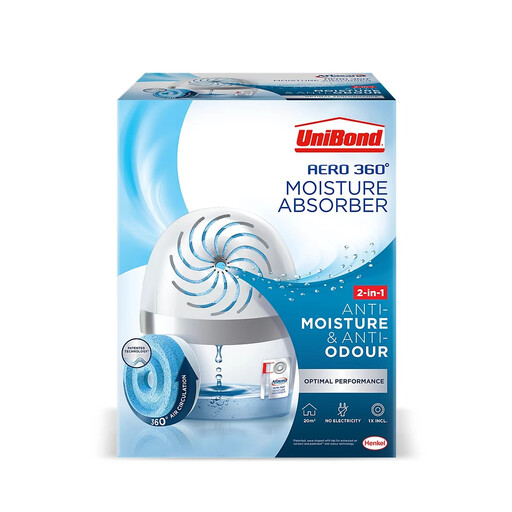
Why This Fits Their Persona: This is a reliable, non-electric workhorse for tackling damp in living rooms, bedrooms or kitchens up to 20m?. It's a complete system designed for effective moisture removal and odour control, making it a go-to for dealing with everyday condensation and mustiness.
It avoids the "one-size-fits-all" trap with a clear coverage area and uses hygroscopic crystals specifically for moisture removal, not just odour masking. Being a refillable system, it addresses the long-term cost issue.
The 360° air circulation design promotes efficient performance. It operates silently, has a spill-prevention system and the widely available refills come in neutral or scented options.
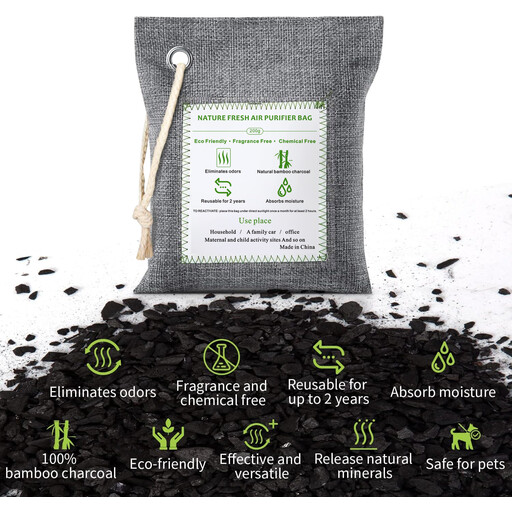
Why This Fits Their Persona: Perfect for those who prefer a natural, chemical-free and reusable solution for smaller spaces. These bags are ideal for hanging in wardrobes, placing in gym bags, cars or near pet beds to act as an effective odour eliminator and mild damp remover.
It correctly uses charcoal for its primary strength—odour absorption—avoiding the trap of over-promising on heavy moisture removal. It completely bypasses the long-term cost trap by being reusable for up to two years.
It is fragrance-free and contains only natural bamboo charcoal. It can be "recharged" monthly in sunlight and the charcoal can be added to garden soil at the end of its life, resulting in zero waste.
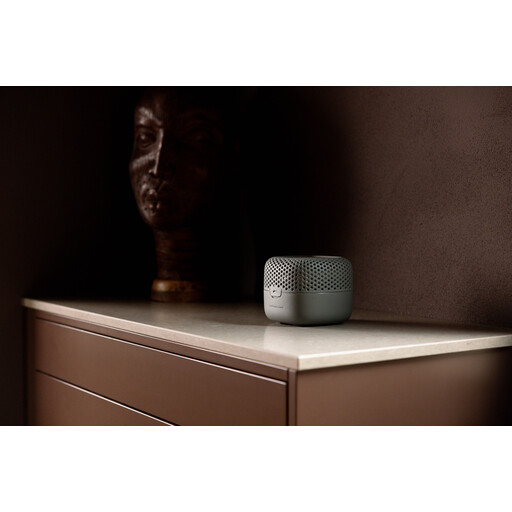
Why This Fits Their Persona: For those who need an effective damp remover but don't want to compromise on aesthetics. The minimalist Scandinavian design allows this refillable unit to blend seamlessly into a modern bathroom, kitchen or living space without looking like a piece of industrial equipment.
This product is clearly defined for spaces up to 30m?, avoiding the "one-size-fits-all" issue. It uses proven moisture-absorbing crystals, ensuring it's a functional tool, not just a decorative object.
Its primary advantage is the stylish, discreet design that comes in several colours. It's a silent, non-electric and refillable system, making it a practical and attractive choice for visible areas of the home.
We have compiled a complete, real-time list of products that fully satisfy these strict selection criteria and UK safety regulations.
1. How long does a non-electric moisture absorber last? This depends heavily on the product type and the level of humidity in the room. For crystal-based refillable systems like the UniBond or Absodry models, a single 450g refill tab or bag typically lasts between 1 to 3 months. Reusable charcoal bags can last up to two years with monthly "recharging" in the sun. You'll know a crystal-based unit needs a refill when the crystals have completely dissolved.
2. Where is the right place to put a moisture absorber? For optimal performance, place your moisture absorber on a flat, stable surface in the area most affected by damp. Good locations include windowsills (to catch condensation), the back of wardrobes, under sinks, in utility rooms or in the corner of a room. Ensure there is some space around the unit for air to circulate. For hanging bags, place them where they won't be tightly compressed by clothes. Always keep them away from direct contact with leather goods, metal or delicate fabrics.
3. Are moisture absorbers safe for homes with pets and children? Safety is paramount. Always place moisture absorbers well out of reach of children and pets. While activated charcoal is non-toxic, the hygroscopic crystals (calcium chloride) used in many dehumidifiers are an irritant and should not be ingested. The collected liquid is a saltwater solution (brine) and should also be kept away from children and pets and disposed of carefully, usually down a toilet. Always read and follow the safety warnings on the product packaging.