
24/7 Customer Support

Free returns

Same-day & Next-day Delivery

Quality Guaranteed

Unlock Your Welcome Offers: FREE Delivery | Up to 80% OFF | Free 30-day JoyPlus trial
Download the APP
Condensation on windows, musty wardrobes and damp-smelling storage areas are common signs that moisture is accumulating faster than it can escape. A moisture absorber can offer a quiet, low-maintenance way to manage humidity in enclosed spaces, but choosing the wrong format may leave you spending more without addressing the source of the problem.
Passive crystal units, refillable moisture absorber tablets and compact electric dehumidifiers each suit different situations. The key is to compare capacity, coverage, running requirements and placement rather than relying on broad marketing claims.
A product may state that it absorbs a certain volume of water, but that does not automatically mean it is suitable for a large room. Water capacity describes how much liquid the unit can collect before a refill or emptying is required. Coverage refers to the approximate volume or floor area where the product is intended to operate.
For example, a passive unit designed for up to approximately 30 m³ may suit a bedroom, wardrobe area or utility space, but it is not equivalent to a whole-home dehumidifier. Check whether the specification uses cubic metres, square metres or simply describes the product as suitable for enclosed areas.
A non-electric moisture absorber uses crystals or tablets and produces no operating motor noise. This makes it suitable for bedrooms, cupboards, caravans and boats where quiet operation matters.
An electric unit, by comparison, needs a power supply and may produce fan noise. A compact dehumidifier rated at ≤35 dB can be relatively unobtrusive, but it is still not silent. Consider whether you need continuous electrical operation or whether passive damp control is sufficient.
A low purchase price can be misleading if the container is disposable or uses difficult-to-find refills. A refillable moisture absorber lets you reuse the main container, while replacement tablets or crystal bags provide the ongoing absorption material.
Before buying, check what is included, how long a refill is expected to last and whether the duration depends on room conditions. High humidity, poor ventilation and colder areas may use refills more quickly.
Passive products commonly use calcium chloride crystals or moisture absorber tablets. These attract water vapour, which then collects in a lower chamber or tank. A dual-chamber design is useful because it keeps the solid absorber separate from the collected liquid.
Look for a stable container, a visible liquid level and clear instructions for replacing the refill. Keep the unit upright and place it on a level, protected surface. Calcium chloride-based liquid should not be touched or consumed; follow the product safety instructions and keep units away from children and pets.
Electric dehumidifiers use a powered cooling or condensation process. They may offer indicator lights, touch controls and automatic tank reminders, but they require a socket and regular tank emptying. Do not place an electric appliance where it may be splashed, and unplug it before cleaning.
Match the product to the space rather than the whole property:
A moisture absorber can help with condensation and musty odour reduction, but persistent damp patches, leaks or visible mould may require ventilation improvements, repairs or advice from a qualified property professional. It should not be treated as a replacement for fixing water ingress.
Some passive systems provide an estimated operating period of one to three months, depending on conditions. Tablet systems may state an absorption capacity of up to one litre, but the actual duration varies with humidity and airflow.
Electric models require a different comparison: check the tank capacity, emptying indicator and approximate coverage. A 600 ml tank is compact and portable, but it may need more frequent emptying in a particularly humid space.
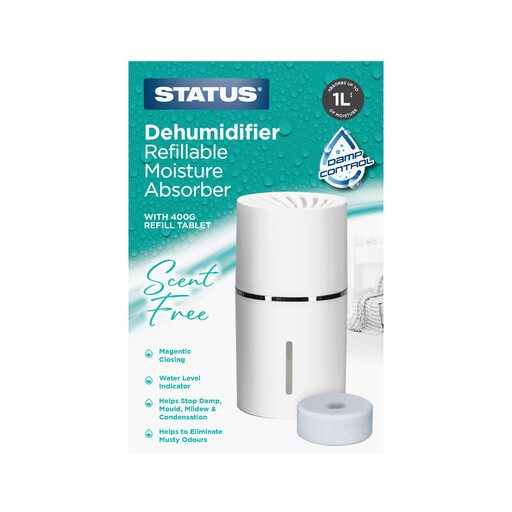
Why This Fits Their Persona: A practical starting point for wardrobes, cupboards, storage boxes and other small enclosed spaces, with one 400G refill tablet included.
The refillable container avoids replacing the complete unit each time, while the clear stated tablet capacity makes ongoing use easier to plan.
Scent-free format; includes a 400G refill tablet; suitable for wardrobes, cupboards, caravans and boats.
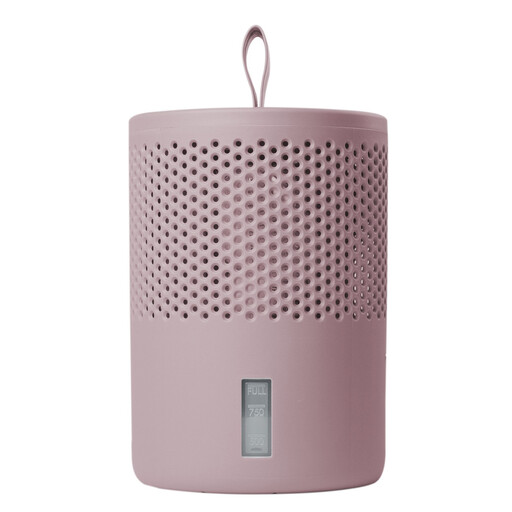
Why This Fits Their Persona: Designed for users who want a discreet reusable system for enclosed areas, including utility rooms, kitchens, caravans and boats.
Its reusable container, refill system and clear lower tank make the ongoing process visible rather than relying on a disposable format.
Non-electric and silent; suitable for spaces up to 50 m³; dual-chamber design with a visible water level.
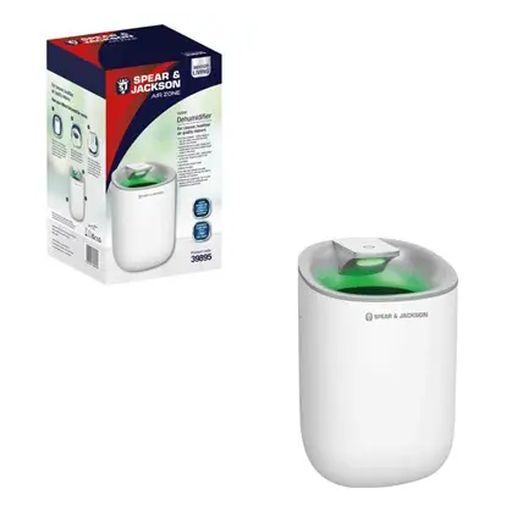
Why This Fits Their Persona: Suitable for users who need powered humidity control in a small room up to 15 m² and prefer a portable appliance with tank and status indicators.
The stated 600ml tank, 15 m² suitability and orange full-tank indicator provide clearer practical limits than vague room-size claims.
≤35 dB low-noise rating; portable 1 kg design; touch controls and defrost function.
We have compiled a complete, real-time list of products that fully satisfy these strict selection criteria and UK safety regulations.
The lifespan depends on humidity, temperature, airflow and the amount of moisture in the space. Some crystal systems state approximately one to three months, while tablet products should be replaced once the tablet is fully used. Check the liquid level and product instructions rather than relying only on a fixed calendar period.
A passive absorber does not use electricity, so it has no electrical running cost. However, it requires replacement crystals, refill bags or tablets. An electric unit uses mains power but may offer powered extraction and a larger-room application. Compare purchase price, refill cost, electricity use and the amount of moisture that needs managing.
Use one in enclosed, poorly ventilated areas such as wardrobes, cupboards, caravans, boats, storage spaces and utility areas. Keep it upright and away from children, pets and items that could be damaged by collected liquid. For visible mould, leaks or recurring structural damp, investigate the underlying cause rather than relying on moisture control alone.