
24/7 Customer Support

Free returns

Same-day & Next-day Delivery

Quality Guaranteed

Unlock Your Welcome Offers: FREE Delivery | Up to 80% OFF | Free 30-day JoyPlus trial
Download the APP
Choosing a safety helmet seems straightforward, but the market is filled with options that look the part without offering genuine protection. Whether you're buying for a child's first scooter ride, your daily cycle commute or the open road on a motorbike, it's easy to fall into common purchasing traps. Many buyers end up with a helmet that is uncomfortable, offers substandard protection or is simply not legal for its intended use in the UK.
As a Joybuy Product Recommendation Officer, my role is to help you see past the marketing clutter. Let's break down the most frequent pitfalls and what you should really be looking for.
To ensure you're getting a helmet that provides reliable protection, focus on these non-negotiable features.
This is the single most important factor. A helmet sold in the UK must be certified for its specific use.
The way a helmet is constructed directly impacts its weight, durability and protective capability.
A helmet only works if it stays in place. Look for a modern retention system, which usually includes:
Once adjusted, the helmet should sit level on your head and not move forwards, backwards or side-to-side when you shake your head.
Based on these practical criteria, here are a few helmets suited to different needs and users.
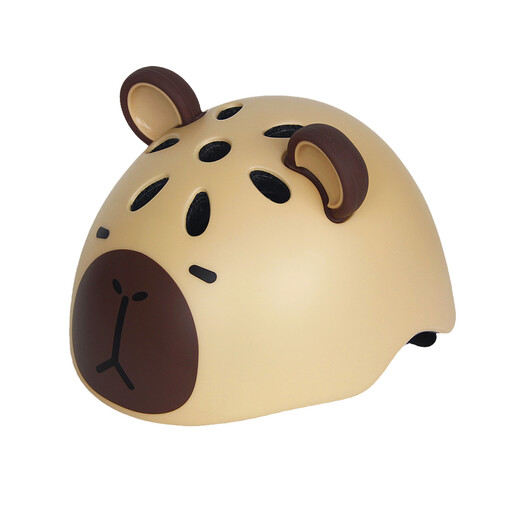
Why This Fits Their Persona: Perfect for getting young children to wear a helmet without fuss. The fun capybara design with 3D ears is appealing, while the underlying construction is built for genuine safety during cycling, skating or scooter rides.
It avoids the "style over substance" trap by combining a fun design with superior in-mould construction and full EN 1078 certification, ensuring it's not just a toy.
Lightweight yet durable due to the fused shell and foam liner. The rear adjustment dial ensures a snug, secure fit for growing children.
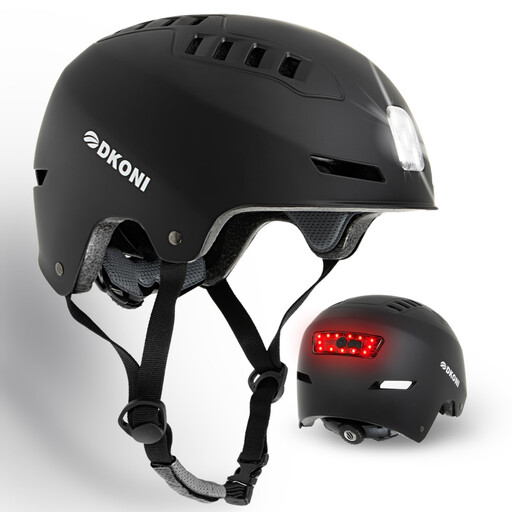
Why This Fits Their Persona: This is a practical choice for UK commuters. The integrated USB rechargeable front and rear lights provide crucial visibility in traffic, rain or on gloomy winter evenings. Its 20 vents also ensure comfort on longer rides.
It addresses a hidden need many first-time commuters forget: visibility. Instead of just passing basic safety tests, this helmet with lights adds an active layer of safety for real-world road conditions.
Features a built-in rechargeable lighting system with multiple modes. The one-hand adjustable dial makes it easy to get a secure fit before setting off.
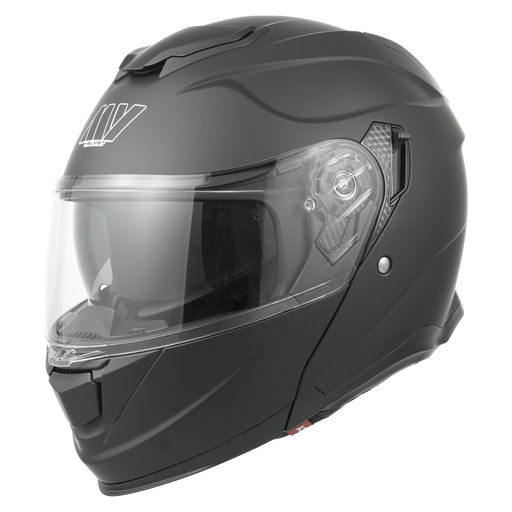
Why This Fits Their Persona: This is for the serious rider who needs high-level protection and practicality. The modular flip-up motorcycle helmet design is convenient for touring or brief stops, while the dual-visor system adapts to changing light.
It directly counters the certification pitfall by being approved to the latest ECE 22.06 standard. This guarantees it is road legal in the UK and has passed the most up-to-date and rigorous safety tests.
Features a high-strength ABS shell with a high-density EPS buffer for shock absorption. The integrated sun visor and reserved slot for a Bluetooth headset add significant practical value.
We have compiled a complete, real-time list of products that fully satisfy these strict selection criteria and UK safety regulations.
Most manufacturers recommend replacing a helmet every 3 to 5 years, as the materials used for protection can degrade over time due to exposure to sweat, UV light and general wear. Crucially, you must replace your helmet immediately after any significant impact, even if there is no visible damage. The internal protective structure may be compromised.
The two are not interchangeable. A motorcycle helmet UK is designed to withstand the much higher impact forces of a motorised vehicle crash and must meet the ECE 22.06 standard. A bicycle helmet is lighter, more ventilated and designed for lower-speed impacts, certified to the EN 1078 standard. Never use a bicycle helmet on a motorcycle.
Use a soft fabric tape measure. Wrap it around the widest part of your head, which is typically about 1-2 cm above your eyebrows and ears. Note the measurement in centimetres and compare it to the size chart provided by the helmet manufacturer. Do not guess your size, as a proper fit is essential for safety.