
24/7 Customer Support

Free returns

Same-day & Next-day Delivery

Quality Guaranteed

Unlock Your Welcome Offers: FREE Delivery | Up to 80% OFF | Free 30-day JoyPlus trial
Download the APP
Selecting a new helmet is one of the most important decisions a rider can make. Whether you're commuting on a motorcycle or tackling a downhill trail, the right head protection is non-negotiable. With evolving safety standards and a vast array of features, finding the perfect fit can feel overwhelming. This guide is designed to simplify your choice, offering clear information on what to look for and presenting a selection of helmets suited for UK riders.
Before diving into specific models, it's helpful to understand the key factors that differentiate one helmet from another. Focusing on these three areas will help you narrow down your options and make a more informed decision.
For riders in the UK and Europe, the safety certification is paramount. The ECE 22.06 helmet standard is the latest and most stringent regulation, replacing the older ECE 22.05. Helmets certified under 22.06 have undergone a more rigorous series of impact tests at both higher and lower speeds, as well as rotational force assessments. Choosing an ECE 22.06 certified motorcycle helmet ensures you are getting protection that meets the most current legal and safety requirements for road use.
The term 'full face' covers several designs, each with distinct advantages:
Modern helmets come with a range of features that can significantly improve your riding experience. A motorbike helmet with sun visor (an integrated, retractable internal visor) is incredibly useful for adapting to changing light conditions without needing to stop and change your main visor or wear sunglasses. For those who like to stay connected, a helmet with a Bluetooth slot provides a dedicated space to easily install an intercom or communication system.
Here are our recommendations, selected to meet the needs of different riders based on their features and certifications.
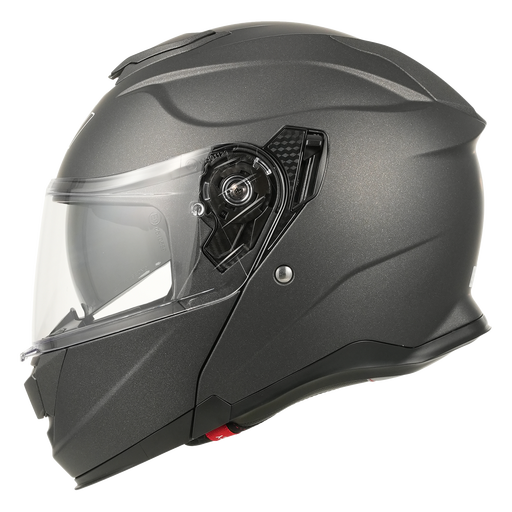
Why It Stands Out: This helmet combines the convenience of a modular design with the assurance of ECE 22.06 certification. Its flip-up mechanism is operated by a single button, making it practical for commuters and tourers. The dual-visor system, featuring a clear outer shield and an internal sun visor, provides adaptability for all weather and light conditions.
Pros:
Who is it for? This unisex helmet for men women is an excellent choice for daily commuters, long-distance touring riders and scooter users who value the flexibility of a flip-up chin bar without compromising on modern safety standards.
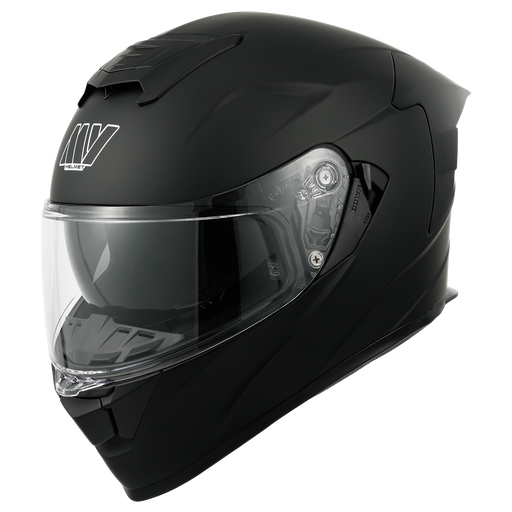
Why It Stands Out: The MY-936 is a classic full face helmet that focuses on core protection and comfort. It is also ECE 22.06 approved, featuring a high-density EPS liner for shock absorption. The inclusion of an integrated inner sun visor adds a layer of convenience often found in more expensive models, while the removable and washable liner helps maintain hygiene.
Pros:
Who is it for? Ideal for street and sport riders who prioritise the robust protection of a traditional full-face design. It's a solid, no-fuss option for anyone seeking a road-legal helmet for daily riding or weekend cruises.
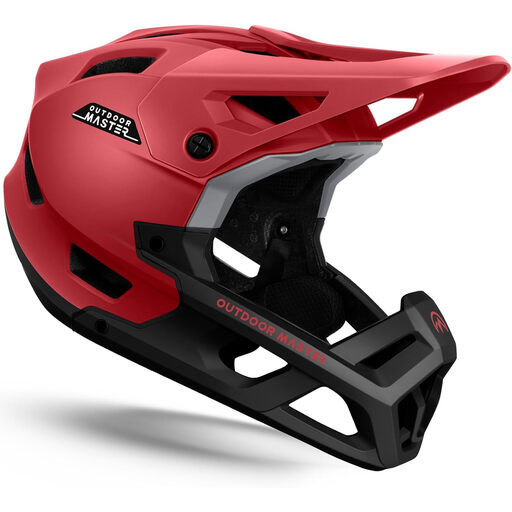
Why It Stands Out: Engineered specifically for off-road use, this lightweight full face helmet weighs under 750g. Its standout feature is the extensive ventilation, with 27 channels designed to maximise airflow during strenuous activity. The design also incorporates an EPP collarbone impact system and chinbar shock pads for enhanced protection during aggressive trail riding.
Pros:
Who is it for? This mountain bike helmet is built for downhill, BMX and aggressive trail riders. It is not intended for motorcycle use. If you need maximum breathability and protection while tackling challenging terrain on two wheels without an engine, this is the helmet for you.
If you haven't found the exact style or feature set you're looking for, there are many other models available. From different colourways to specialised designs, you can browse a wider selection to find the perfect match for your ride and personal style.
Explore our full range of full face helmets
ECE 22.06 is the latest United Nations safety regulation for motorcycle helmets, mandatory for all new helmets sold in the UK and EU. It includes a wider range of impact tests, including angled impacts to measure rotational forces, making it a more comprehensive standard than its predecessor, ECE 22.05.
To find your size, use a flexible measuring tape to measure the circumference of your head. The tape should be positioned approximately 2cm above your eyebrows and wrapped around the widest part of the back of your head. Compare this measurement in centimetres to the manufacturer's sizing chart, as fits can vary between brands. A new helmet should feel snug all around, without any uncomfortable pressure points.
While you could, it is not recommended. Motorcycle helmets are designed and tested for high-speed, high-energy road impacts and are typically heavier with less ventilation. A dedicated downhill MTB helmet is much lighter and offers far superior airflow, making it more comfortable and suitable for the physical demands of cycling. Always use a helmet designed for your specific activity.