
24/7 Customer Support

Free returns

Same-day & Next-day Delivery

Quality Guaranteed

Unlock Your Welcome Offers: FREE Delivery | Up to 80% OFF | Free 30-day JoyPlus trial
Download the APP
From the daily washing up to tackling stubborn grime, the humble sponge scourer is a cornerstone of a clean UK home. Yet, choosing the right one can feel like a gamble. You buy a pack promising "non-scratch" performance only to find it has ruined your favourite non-stick pan, or the sponge starts to smell unpleasant after just a few days. These common issues lead to wasted money and frustration.
As the Joybuy Product Recommendation Officer, my role is to help you navigate these choices with practical advice. Let's look past the marketing claims and focus on what truly matters. Here are the key pitfalls to avoid when buying your next set of kitchen sponges.
By understanding a few core features, you can easily find a sponge scourer that performs well, lasts longer and fits your specific cleaning needs.
Instead of being swayed by flashy packaging, focus on these three practical parameters. They are the true indicators of a quality sponge scourer that will work for you, not against you.
The single most important factor is the material of the scouring pad. Not all are created equal.
A well-made sponge should last through weeks of regular use. Look for features that indicate better construction.
A sponge's ability to stay clean is just as important as its cleaning power.
To help you choose, we've matched some reliable options to different household needs, focusing on how they solve the common pitfalls.
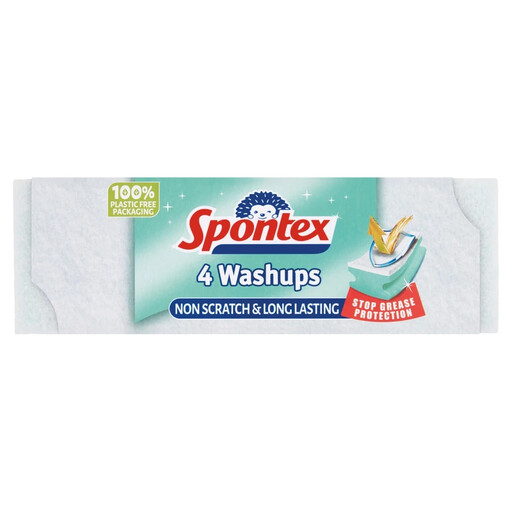
Why This Fits Their Persona: This is for the home cook who has invested in quality non-stick cookware, glass dishes or a ceramic hob and needs an effective cleaning tool that provides complete peace of mind against scratches.
It directly counters the "non-scratch deception" by being specifically engineered for delicate surfaces. The anti-grease technology also helps it resist odours and last longer, avoiding the other common pitfalls.
Purpose-built non-scratch cleaning with a contoured nailguard for better grip and protection. The packaging is also 100% recyclable cardboard.
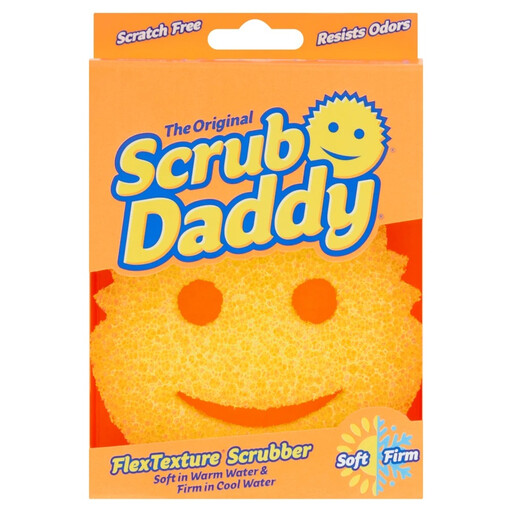
Why This Fits Their Persona: For the person who wants a single, high-performance tool for multiple jobs around the house—from scrubbing burnt-on food in the kitchen to cleaning bathroom fixtures and even outdoor furniture.
Its unique FlexTexture material is highly durable, avoiding the "disintegrating scourer" issue. It rinses clean of debris and is odour-resistant, tackling the "odour magnet" problem head-on.
Texture changes with water temperature for versatile cleaning power. It is scratch-resistant on over 20 common household surfaces and can be cleaned on the top rack of a dishwasher.
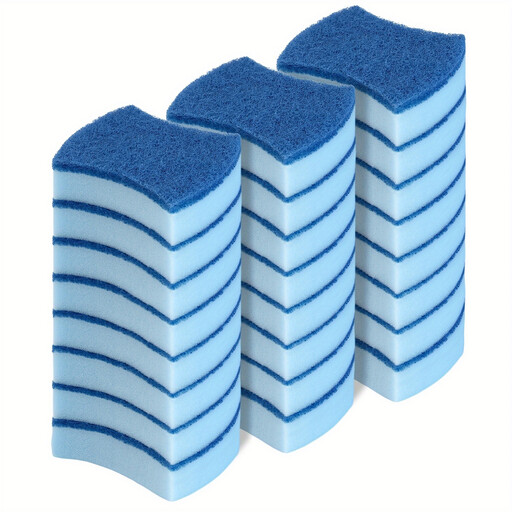
Why This Fits Their Persona: Perfect for busy families or anyone looking to bulk buy sponges for maximum value. This large pack provides a long-lasting supply for all general kitchen and household cleaning tasks.
Buying in bulk encourages frequent replacement, which is the most effective way to avoid the "odour magnet" trap. The non-scratch surface also prevents accidental damage to everyday cookware.
Excellent cost-per-unit value. The dual-sided design with a cellulose sponge offers good absorbency for wiping spills and a reliable non-scratch scourer for general cleaning.
We have compiled a complete, real-time list of products that fully satisfy these strict selection criteria and UK safety regulations.
For hygiene reasons, it is a good practice to replace your primary kitchen sponge every one to two weeks, depending on usage. Microwaving a damp sponge for 30-60 seconds or running it through a dishwasher cycle can help sanitise it between replacements, but this does not remove physical wear and tear.
While non-scratch scourers are designed for delicate surfaces like non-stick coatings, it is always wise to test on a small, inconspicuous area first, especially on highly polished or special-finish cookware. Always use them with adequate water and washing-up liquid to provide lubrication.
A magic eraser, made from melamine foam, is a specialist cleaning tool, not a general-purpose sponge. It excels at removing stubborn marks from hard surfaces, such as scuffs on walls, ingrained dirt on trainers or limescale on taps. It works through micro-abrasion, so it should not be used on delicate, polished or painted surfaces without testing first.