
24/7 全天候客户支持

免费退货

当日/次日达

品质保障

开启新人专享福利: 全场免邮 | 低至 2 折 | 免费试用 30 天 JoyPlus 会员
下载 Joybuy
Wash-off face masks can provide targeted cleansing, exfoliation, hydration or oil control without adding a complicated step to your routine. However, the wide choice of clay face masks, Korean face masks, charcoal formulas and sugar-based treatments can make comparison difficult.
The product that suits an oily T-zone may feel uncomfortable on dry cheeks, while a highly exfoliating mask may be unnecessary if your routine already includes acids or retinoids. The key is to assess the formula, texture and intended frequency rather than relying on prominent claims on the front of the packaging.
A mask that dries rapidly or leaves skin feeling tight is not automatically more effective. Excessive clay, alcohol, fragrance or frequent use may leave some skin types uncomfortable. Look for supporting ingredients such as glycerin, panthenol, oils or soothing botanical extracts if you are concerned about post-mask tightness.
Some exfoliating face masks combine physical particles with BHA or AHA ingredients. This can be useful for occasional targeted care, but combining several exfoliating products in the same routine may increase the chance of irritation. Check whether your chosen mask contains sugar, rice powder, plant granules, salicylic acid or fruit acids before purchasing.
Pores do not permanently open and close like doors. Clay and charcoal can absorb surface oil, while a smoother, cleaner surface may make pores appear less noticeable temporarily. Choose a product according to its actual ingredients and usage instructions rather than expecting a permanent change in pore size.
Physical exfoliants such as sugar, rice powder, red bean powder, pumice or silica require gentle handling. Chemical exfoliants such as salicylic acid and glycolic acid may be more suitable for targeted pore care, but frequency matters. If a formula contains both types, follow its stated contact time and avoid vigorous rubbing.
A 120g jar may suit regular home use, while a 27g stick format is convenient for travel or targeted application. Shower-proof textures can be useful in UK bathrooms, particularly when you want to apply a mask before rinsing. Always check the recommended contact time: some products require only three to five minutes, while others suggest up to 15 minutes.
Review the full ingredient list, batch information and warnings on the packaging. Under UK cosmetic safety expectations, products should be used according to their labelled directions. Avoid applying a mask to broken, inflamed or highly sensitive skin, keep it away from the eyes and stop using it if persistent irritation develops.
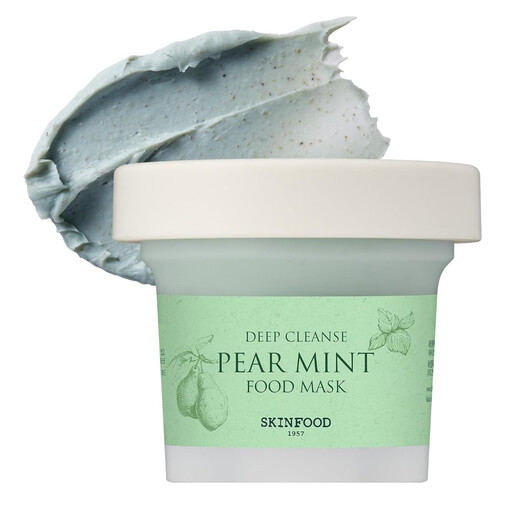
Why This Fits Their Persona: A 120g face-and-body format offers a practical starting point for shoppers who want refreshing pore care without buying separate products for different areas.
Its gel texture is designed to remain in place during use, while kaolin and rice powder provide cleansing and mild exfoliation without relying solely on a harsh, tight finish.
Kaolin, rice powder, pear extract and three mint leaf extracts; recommended contact time of 10–15 minutes.
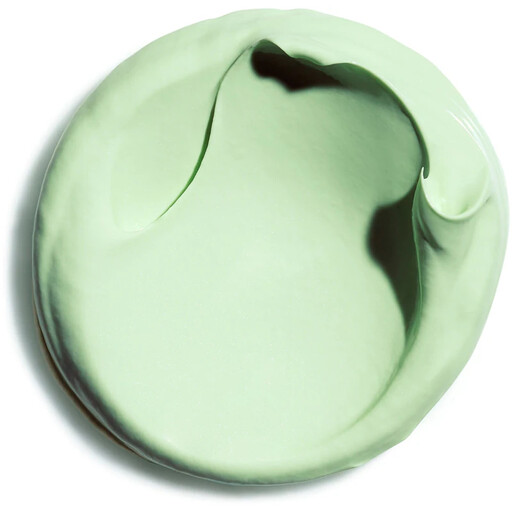
Why This Fits Their Persona: Suitable for shoppers seeking a focused weekly clay treatment with a creamy texture and a clearly stated 10-minute application time.
The formula description specifies a creamy, non-drying texture rather than encouraging users to leave the mask until it becomes uncomfortably tight.
Contains white and green clays; intended for combination to oily skin and use once or twice weekly.
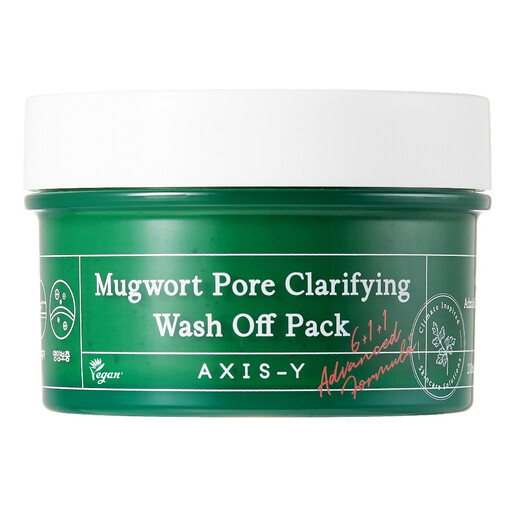
Why This Fits Their Persona: A Korean wash-off mask for shoppers prioritising congested areas, excess oil and a cooling application experience in a weekly routine.
It includes clear instructions, a patch-test warning and guidance not to combine it with other highly concentrated exfoliating products.
Mugwort extract, kaolin, bentonite, charcoal and adzuki bean powder; stated use is once or twice weekly.
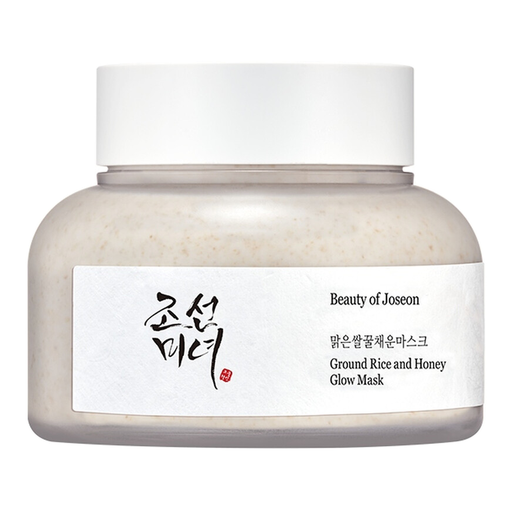
Why This Fits Their Persona: A practical option for dry or uneven-textured skin when gentle refinement and a nourished after-feel matter more than a strong mattifying effect.
Rice hull powder provides physical exfoliation, while honey, glycerin and rice-derived ingredients help balance the cleansing step with moisture-focused care.
Contains kaolin, honey, rice hull powder and rice extracts; designed for a 5–10 minute application.
We have compiled a complete, real-time list of products that fully satisfy these strict selection criteria and UK safety regulations.
Most clay, charcoal and exfoliating formulas are intended for once or twice weekly use. Some product instructions allow two to three applications weekly, but sensitive or dry skin may need a lower frequency. Follow the individual label rather than applying every mask on the same schedule.
Yes, but targeted application is often more comfortable. Use the clay mask on the T-zone or visibly oily areas and avoid applying a strong exfoliating formula to dry cheeks. A face mask for combination skin should be selected according to the driest and most reactive areas, not only the oiliest part of the face.
No. Clay, charcoal and salicylic acid formulas can help lift surface oil and loosen pore debris, making blackheads appear less noticeable after use. They do not prevent all future congestion. Consistent cleansing, suitable moisturising and moderate mask frequency are more realistic long-term habits than repeated aggressive treatments.