
24/7 全天候客户支持

免费退货

当日/次日达

品质保障

开启新人专享福利: 全场免邮 | 低至 2 折 | 免费试用 30 天 JoyPlus 会员
下载 Joybuy
As a Joybuy Product Recommendation Officer, my role is to help you navigate the crowded market of home appliances. A washer dryer is a brilliant space-saving solution, especially in modern UK homes and flats where every square foot counts. However, choosing the right one involves looking beyond the headline features. Many buyers fall into common traps, leading to frustration and wasted money. This guide will highlight three critical mistakes to avoid and show you how to select a machine that truly fits your needs.
Before you start comparing models, be aware of these frequent oversights that can lead to buyer's remorse.
1. The Capacity Illusion: Wash vs. Dry The most common mistake is assuming the drying capacity matches the washing capacity. A machine advertised with an 8kg drum can typically only dry around 5kg of laundry in one go. This means if you wash a full 8kg load, you must either dry it in two separate, time-consuming batches or remove a third of the wet clothes to dry elsewhere. This defeats the purpose of an all-in-one appliance and creates more work, not less.
2. The Misleading Energy Label Since 2021, UK energy labels show two separate ratings for washer dryers: one for the 'Wash Only' cycle and another for the complete 'Wash & Dry' cycle. Many shoppers are drawn to a high 'A' or 'B' rating for washing, overlooking a much lower 'D' or 'E' rating for the combined cycle. As the drying process consumes the most electricity, this oversight can lead to unexpectedly high utility bills. An energy efficient washer dryer must perform well on both metrics.
3. Underestimating Noise Levels A machine might seem quiet during a gentle wash, but the spin and drying cycles can be significantly louder. This is a crucial factor if your appliance is located in or near a living area. Manufacturers list the noise level for the spin cycle in decibels (dB). A machine that is not a quiet washer dryer can be disruptive, especially in smaller homes or during off-peak electricity hours at night.
To make an informed choice, focus on these key specifications.
True Capacity Needs: Always check both the wash and dry capacities. For a 1-2 person household, an 8kg wash / 5kg dry model is often sufficient. For families of three or more, a 10kg washer dryer (or larger) with a 6kg+ drying capacity will be far more practical for handling larger loads like bedding and weekly laundry in one go.
Installation Type: A freestanding washer dryer is the most common type, offering flexibility in placement. An integrated washer dryer is designed to be fitted inside a kitchen cabinet and hidden behind a matching door, creating a seamless look. Ensure you measure your available space meticulously, leaving room for pipes and ventilation at the back.
Motor and Special Programmes: Look for models with a Digital Inverter or Direct Motion Motor. These are generally quieter, more durable and more energy-efficient than traditional belt-driven motors. Additionally, features like a washer dryer with steam can be highly beneficial for reducing creases and refreshing clothes without a full wash cycle.
We have analysed the market to find models that address the common pitfalls and offer excellent value for different UK households.
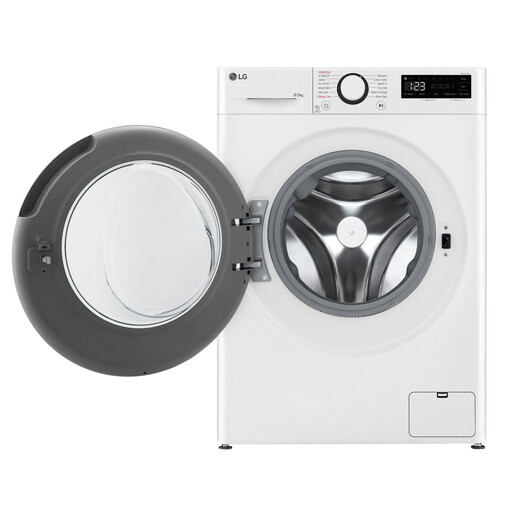
Why This Fits Their Persona: This model's Counter-Depth MAX design offers a full-capacity drum in a shallower body, making it ideal for fitting flush within standard UK kitchen units or in tight utility spaces without protruding.
It clearly specifies the 8kg wash and 5kg dry capacity, managing expectations. The quiet Inverter Direct Drive motor addresses noise concerns, with a spin noise level of just 71 dB.
AI Direct Drive technology weighs the load and senses fabric softness to select the optimal wash pattern, protecting clothes. The Steam function helps reduce allergens and creases.
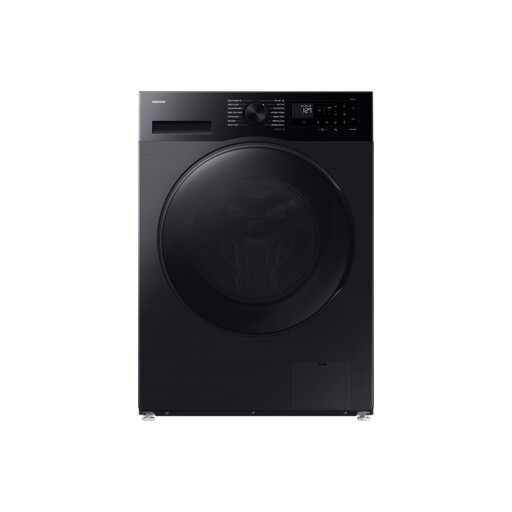
Why This Fits Their Persona: With a massive 11kg wash capacity and a practical 6kg dry capacity, this machine is built to handle the relentless laundry demands of a large family, from school uniforms to bulky bedding, all in fewer loads.
It tackles the energy trap head-on. By connecting to the SmartThings app, the AI Energy Mode can help monitor and reduce power consumption. The large 6kg dry capacity also minimises the need for multiple drying cycles.
SpaceMax technology provides a larger drum in a standard-sized cabinet. The Hygiene Steam cycle is excellent for families with allergy sufferers and the Less Microfibre cycle helps reduce plastic pollution.
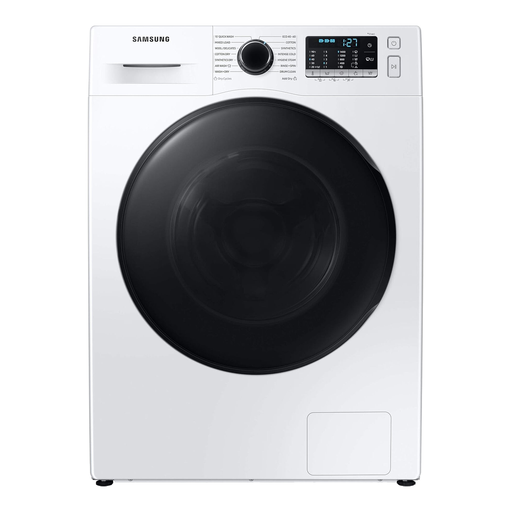
Why This Fits Their Persona: This user prioritises efficiency and advanced features. Samsung's ecobubble technology allows for effective cleaning at cooler temperatures, directly reducing energy consumption without compromising on performance.
It directly counters the high energy usage trap by enabling powerful cleaning on cool washes. The Digital Inverter Motor ensures it is a quiet washer dryer (72 dB spin), avoiding the noise pitfall.
The Hygiene Steam cycle provides a deep, hygienic clean, removing ingrained grime and allergens. The motor is backed by an impressive 20-year warranty, signalling long-term reliability.
We have compiled a complete, real-time list of products that fully satisfy these strict selection criteria and UK safety regulations.
1. How long does a washer dryer take to wash and dry? A full wash and dry cycle can be lengthy, often taking anywhere from 3 to 6 hours depending on the load size, fabric type and specific model. However, many modern machines include a 'Wash & Dry 60' or similar rapid cycle, which can handle a small load (around 1kg, or a couple of outfits) in about an hour.
2. Are washer dryers expensive to run in the UK? They can be, which is why checking the combined 'Wash & Dry' energy rating is so important. The drying function uses significantly more electricity than washing. To keep costs down, look for a model with a good combined energy rating, use eco-programmes and only use the dryer function when necessary. Air-drying clothes when possible is always the most cost-effective method.
3. Do washer dryers need an external vent? No, almost all modern washer dryers sold in the UK are condenser or heat pump models. They do not require an external vent hose. A condenser model uses cold water to condense the moist air from the drum into water, which is then drained away via the waste pipe. This makes installation much simpler and more flexible.