
24/7 Customer Support

Free returns

Same-day & Next-day Delivery

Quality Guaranteed

Unlock Your Welcome Offers: FREE Delivery | Up to 80% OFF | Free 30-day JoyPlus trial
Download the APP
Choosing the right trolley jack is a critical decision for any car enthusiast or DIY mechanic. It’s not just about lifting your vehicle; it’s about doing so safely, efficiently and without damaging your car. However, the market is filled with confusing specifications and marketing claims that can lead to a poor purchase. Before you invest, it's important to be aware of a few common pitfalls that catch out many UK buyers.
To make an informed choice, focus on the technical details that truly matter. These parameters determine a jack's performance, safety and suitability for your specific needs.
A jack's versatility is defined by its full lifting range.
The material dictates the jack's weight, durability and cost.
Look beyond the basic numbers for features that enhance safety and usability.
We've identified a selection of hydraulic floor jacks that address the common pitfalls by delivering on their specifications. These recommendations are matched to different user needs and vehicle types.
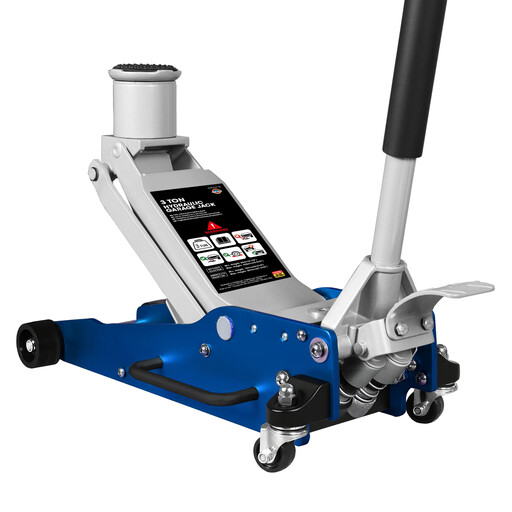
Why This Fits Their Persona: For the UK mechanic who works on everything from a low-slung sports car to the family SUV. This jack's lightweight aluminium body makes it easy to move and store, while its dual-pump system saves valuable time on each lift.
Its 85mm minimum height is genuinely low-profile and the EN 1494 certification confirms its 3-ton capacity is reliable. The aluminium construction directly counters the problem of overly heavy steel jacks.
Dual-pump quick lift mechanism and a versatile 85-465mm lift range cover almost any passenger vehicle. Includes a height extender for extra clearance on taller vehicles.
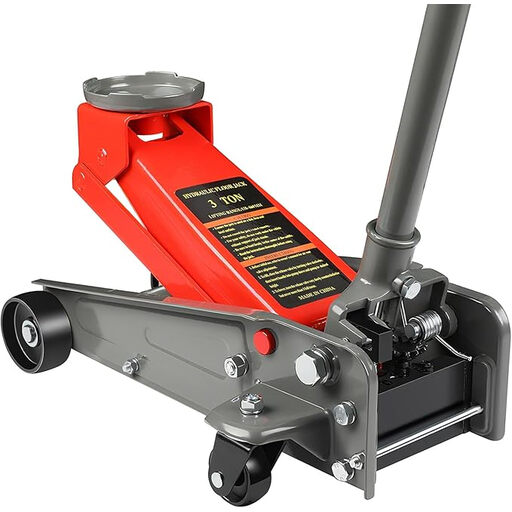
Why This Fits Their Persona: Ideal for the home workshop where durability is paramount. This user needs a no-nonsense, robust tool for frequent maintenance on family cars, vans and SUVs. Portability is less of a concern than raw strength and reliability.
The heavy-duty carbon steel construction is built for sustained loads, avoiding the pitfall of overrated capacity. Its 46cm max height provides ample room for working on taller vehicles.
Features a gear-driven quick lift pump for efficiency and robust castors for stable movement around the workshop floor. A solid, workhorse design focused on durability.
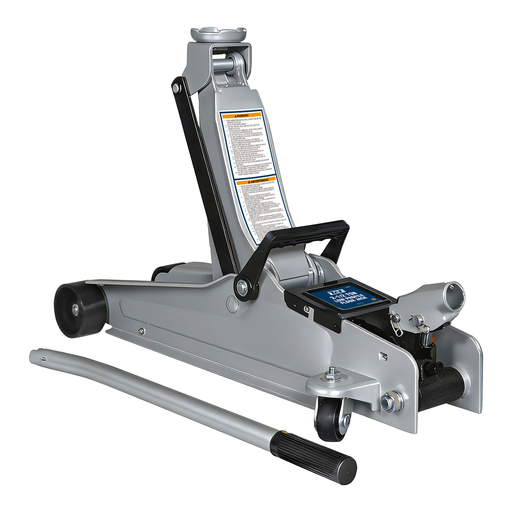
Why This Fits Their Persona: This user's primary concern is getting under a very low vehicle without any hassle. For them, the minimum entry height is the single most important feature, and this jack is designed specifically for that purpose.
It directly solves the "not low enough" problem with a verified 85mm ultra-low entry point. The EN 1494 certification ensures its 2.5-ton capacity is trustworthy for most cars, including heavier performance saloons.
Its singular focus on achieving an ultra-low profile makes it a specialist tool. The heavy-duty steel structure provides a stable and secure lifting platform.
A crucial safety reminder: a trolley jack is for lifting only. Never work under a vehicle supported solely by a jack. Always use a pair of appropriately rated axle stands, such as the TCE 6 Ton Professional Grade Car Jack Stands, on a solid, level surface before starting any work.
We have compiled a complete, real-time list of products that fully satisfy these strict selection criteria and UK safety regulations.
For the vast majority of DIY and car enthusiast applications, a high-quality aluminium car jack is more than strong enough. These jacks typically use aircraft-grade aluminium for the frame to save weight, combined with a steel lift arm and critical components for strength where it matters most. While a professional, all-steel heavy duty trolley jack might be built for continuous, daily workshop abuse, an aluminium model offers a far better balance of strength and portability for home use.
Yes, it is highly recommended. The 3-ton rating represents the jack's maximum capacity. You should never operate a jack at its absolute limit. A hydraulic floor jack 3 ton model provides a crucial safety margin, ensuring stability and reducing strain on the hydraulic system. Remember, you are not lifting the entire car, but a significant portion of its weight is concentrated on the single lifting point. A higher capacity jack will perform the lift with greater ease and safety.
The lifespan of a trolley jack depends on usage frequency and maintenance. A well-maintained jack can provide reliable service for many years. To ensure longevity, periodically check the hydraulic oil level, purge any air from the system as per the manufacturer's instructions and keep the wheels and pivot points clean and lubricated. Always store it in a dry place to prevent rust.