
24/7 Customer Support

Free returns

Same-day & Next-day Delivery

Quality Guaranteed

Unlock Your Welcome Offers: FREE Delivery | Up to 80% OFF | Free 30-day JoyPlus trial
Download the APP
Whether you're navigating city streets on your daily commute, tackling challenging trails or enjoying a leisurely weekend ride, a reliable bike helmet is a non-negotiable piece of kit. But with so many types, features and technical terms, choosing the right one can feel overwhelming. This guide is designed to cut through the clutter, offering clear, practical advice to help you find a cycling helmet that provides the right protection, comfort and features for your specific needs.
As your Joybuy Product Recommendation Officer, my goal is to help you make an informed decision, ensuring your focus remains on the joy of the ride.
Before diving into specific models, let's cover a few key considerations that will help you narrow down your options.
The ideal helmet for a road racer is very different from one designed for a downhill mountain biker.
commuter helmet may also include practical features like a built-in bike helmet with light for visibility or a helmet with visor to shield from sun and rain.mountain bike helmet generally offers more coverage, especially around the back of the head. They often feature a larger, fixed visor to protect from trail debris and sun. For more extreme disciplines like downhill or enduro, a full face MTB helmet provides maximum protection for the chin and face.All helmets sold in the UK must meet the EN 1078 safety standard, but some offer additional technology.
MIPS helmet. MIPS stands for Multi-directional Impact Protection System. It is a low-friction layer inside the helmet designed to allow a small amount of rotation relative to the head during an angled impact. This can help reduce the rotational forces that may be transferred to the brain.An ill-fitting helmet can compromise its protective capabilities. Look for an adjustable bike helmet with a rear dial system that allows you to fine-tune the fit. The straps should be easy to adjust and sit comfortably without chafing. Good ventilation is also crucial for comfort, especially on warmer days or longer rides.
Here are four recommended options that cater to different types of cyclists, selected for their features, construction and user-focused design.
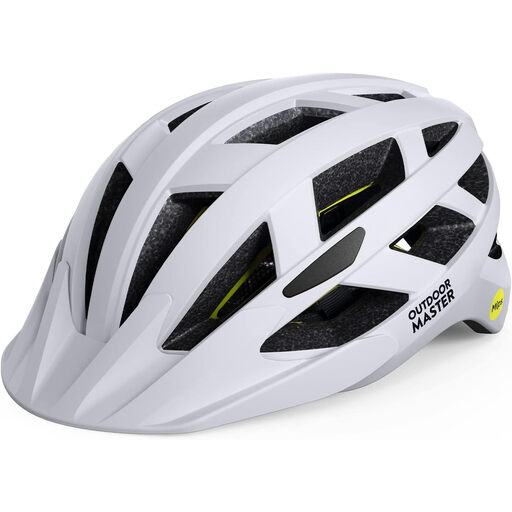
unisex-adult helmet with modern safety technology.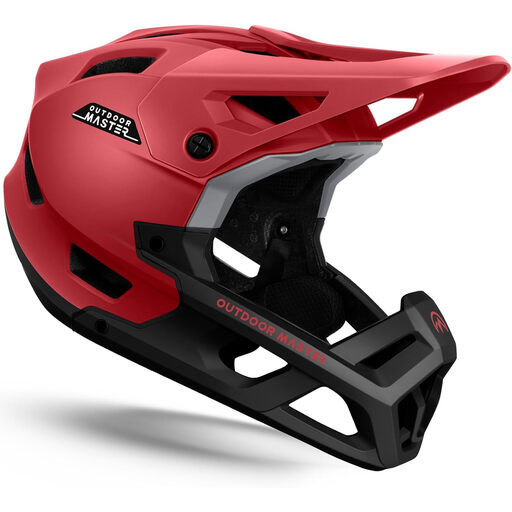
full face MTB helmet is engineered for maximum protection during aggressive riding. It incorporates thoughtful design elements like an EPP collarbone impact system and extensive ventilation, which are crucial for demanding disciplines.men's and women's cycling helmet needs in gravity-focused sports.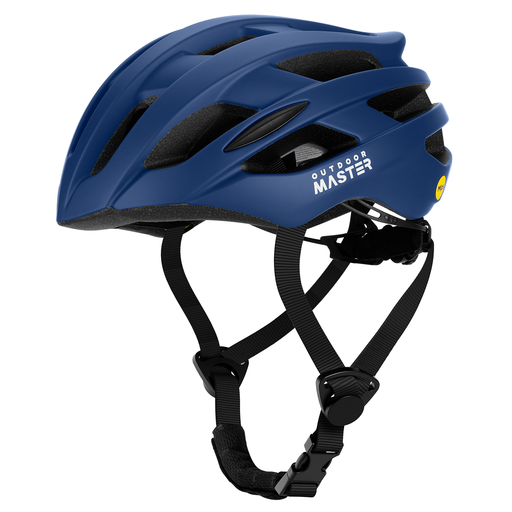
road bike helmet successfully balances a lightweight, aerodynamic profile with the inclusion of the MIPS safety system, offering a great combination for performance-oriented riders.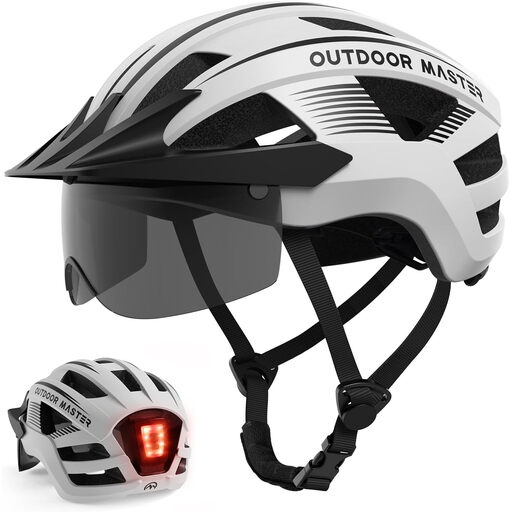
commuter helmet for city riders, e-bike users and anyone who frequently cycles in low-light conditions and wants an all-in-one solution for safety and comfort.If these specific models don't perfectly match what you're searching for, or if you'd like to browse a wider selection of styles and colours, we invite you to explore our full range.
Discover more choices in our complete gear bike collection.
Most manufacturers recommend replacing your helmet every 3-5 years, as the protective materials can degrade over time due to exposure to UV light and general wear. More importantly, you must replace your helmet immediately after any crash or significant impact, even if there is no visible damage, as its structural integrity may be compromised.
MIPS (Multi-directional Impact Protection System) is a safety feature consisting of a low-friction layer inside the helmet. It is designed to allow a slight sliding motion during an angled impact, which can help reduce rotational forces on the head. While any certified helmet provides a baseline of safety, a MIPS helmet adds an additional layer of technology intended to address these specific forces.
A correctly fitted helmet should feel snug but not uncomfortably tight. It should sit level on your head, with the front rim positioned about two finger-widths above your eyebrows. The side straps should form a 'Y' shape just below your earlobes. Finally, when you fasten the chin strap, you should be able to fit no more than one or two fingers between the strap and your chin. Always use the adjustable bike helmet dial to secure the fit before you ride.