
24/7 Customer Support

Free returns

Same-day & Next-day Delivery

Quality Guaranteed

Unlock Your Welcome Offers: FREE Delivery | Up to 80% OFF | Free 30-day JoyPlus trial
Download the APP
Whether you're faced with a flat tyre on the side of the A1 or planning some DIY maintenance in your garage, a reliable car jack is an essential piece of kit for any vehicle owner. But with so many options available—from compact scissor jacks to powerful trolley jacks—choosing the right one can feel overwhelming.
This guide is designed to cut through the clutter. We'll walk you through the key considerations for selecting a jack that suits your vehicle and your needs, and share some of our top recommendations to help you make a confident choice.
Before you buy, it’s important to understand a few key factors. Getting this right ensures safety and makes any lifting task much easier.
The most critical factor is the jack's lifting capacity. This is usually measured in tonnes. You can find your vehicle's gross vehicle weight (GVW) in the owner's manual or on a plate inside the driver's door jamb.
A good rule of thumb is to choose a jack rated for at least 75% of your vehicle's total weight, as you'll only be lifting one corner or end at a time. However, opting for a higher capacity provides a greater safety margin. For a standard family car, a 2 ton jack is often sufficient. For heavier vehicles like large saloons, 4x4s and vans, a 3 ton jack or a more heavy duty jack is a much safer choice.
There are three main types of car jacks, each with its own advantages:
Always check the jack's minimum and maximum lifting height. The minimum height (or profile) must be low enough to slide under your vehicle's designated jacking points. The maximum height must be sufficient to lift the wheel clear off the ground for tasks like a tyre change. An SUV will require a jack with a much greater lifting range than a low-slung sports car.
Here are a few standout options that cater to different vehicles and uses.
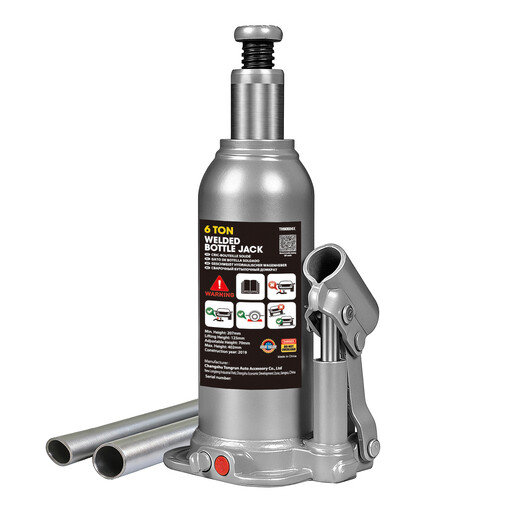
Why It Stands Out: This bottle jack is built for serious work. With a 6-ton (6,000 kg) capacity, it can handle large and heavy vehicles with ease. The construction features a forged steel base and a chrome-plated piston rod for durability and rust resistance. A safety overflow valve is also included to prevent overloading.
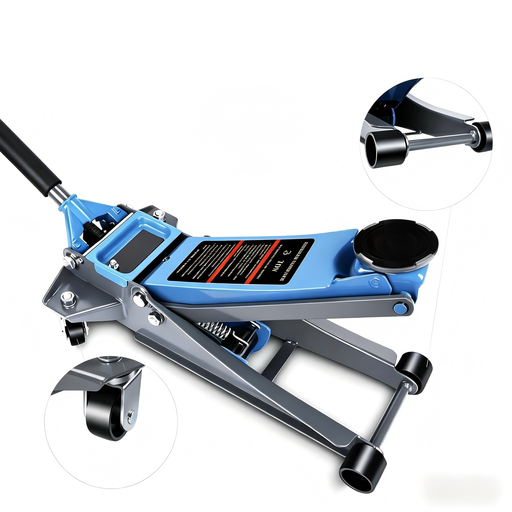
Why It Stands Out: This trolley jack combines strength with speed and versatility. The dual-piston pump system allows for rapid lifting, saving you time and effort. Its low profile design, with a minimum height of just 73mm (2.87 inches), makes it suitable for performance cars, while its maximum lift of 500mm (19.69 inches) provides enough height for most SUVs. The heavy-duty steel construction and safety features like overload protection make it a solid choice for any home garage.
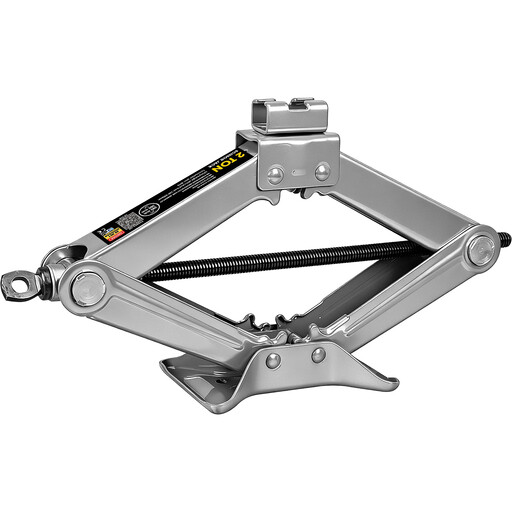
Why It Stands Out: As a dedicated emergency tool, this scissor jack excels. It’s designed to be compact and portable, folding down to just 120mm to fit easily in your boot's spare tyre compartment. With a 2-ton (2,000 kg) capacity, it’s more than capable of handling most saloons and city SUVs for a roadside tyre change. The simple, hand-cranked operation is straightforward and reliable when you need it most.
If you haven't found the perfect fit for your garage or boot, there are many other specialised tools available. From different weight capacities to unique features, you can find a jack for almost any vehicle or task.
Explore Our Full Range of Lifting Tools
For an SUV, a bottle jack or a high-lift trolley jack is generally the most suitable choice. These jacks offer the greater lifting height needed to get the wheels of a high-clearance vehicle off the ground. Always ensure the jack's weight capacity, such as a 3 ton jack, is appropriate for your specific SUV model.
Check your vehicle's owner's manual for its Gross Vehicle Weight (GVW). A safe guideline is to select a jack with a capacity that is at least 75% of your vehicle's total weight. For a 2-tonne car, a 2 ton jack is the minimum requirement, but choosing a jack with a higher rating provides an extra margin of safety.
Yes, a scissor jack is specifically designed for this purpose and is a practical tool for roadside emergencies. They are effective and safe when used correctly on a flat, solid surface. Always follow the instructions in your vehicle's manual for proper placement and operation.